
Last updated November 15, 2026
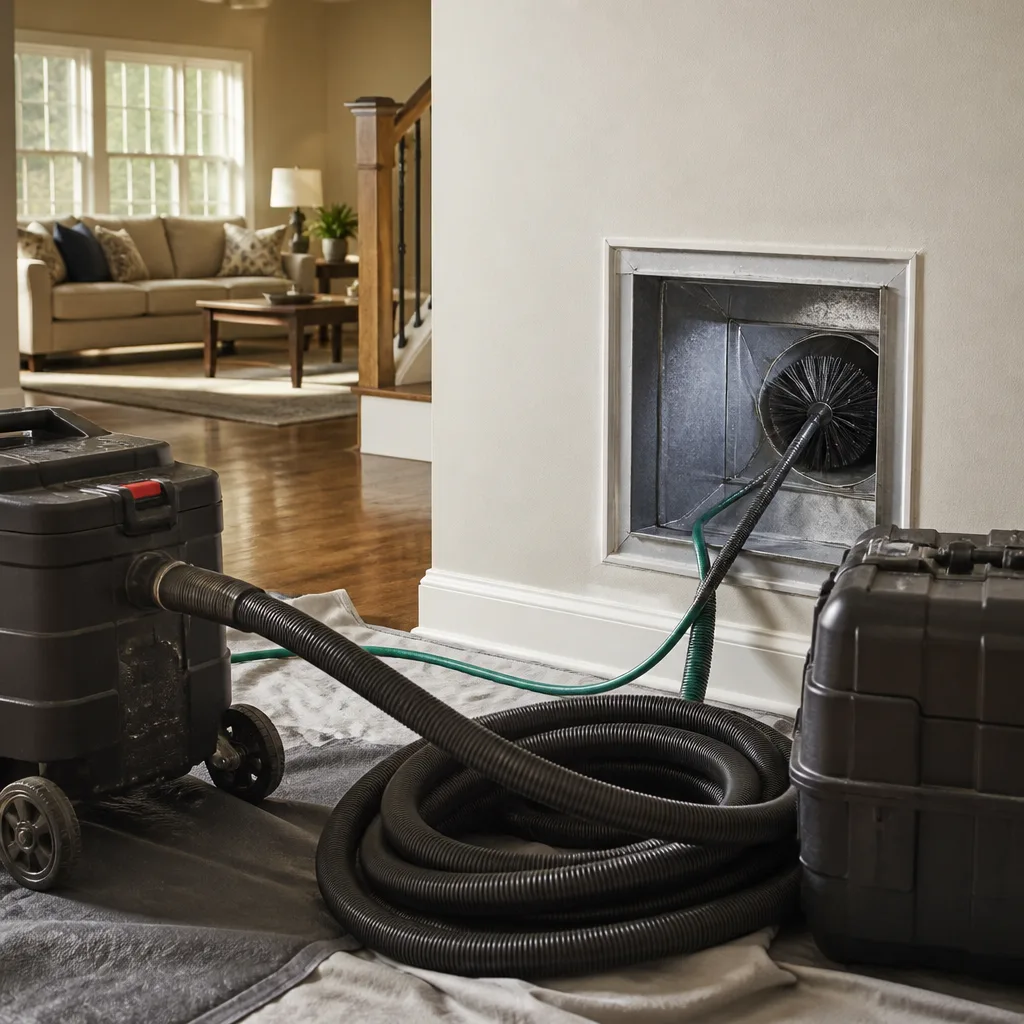 Whole-home duct cleaning
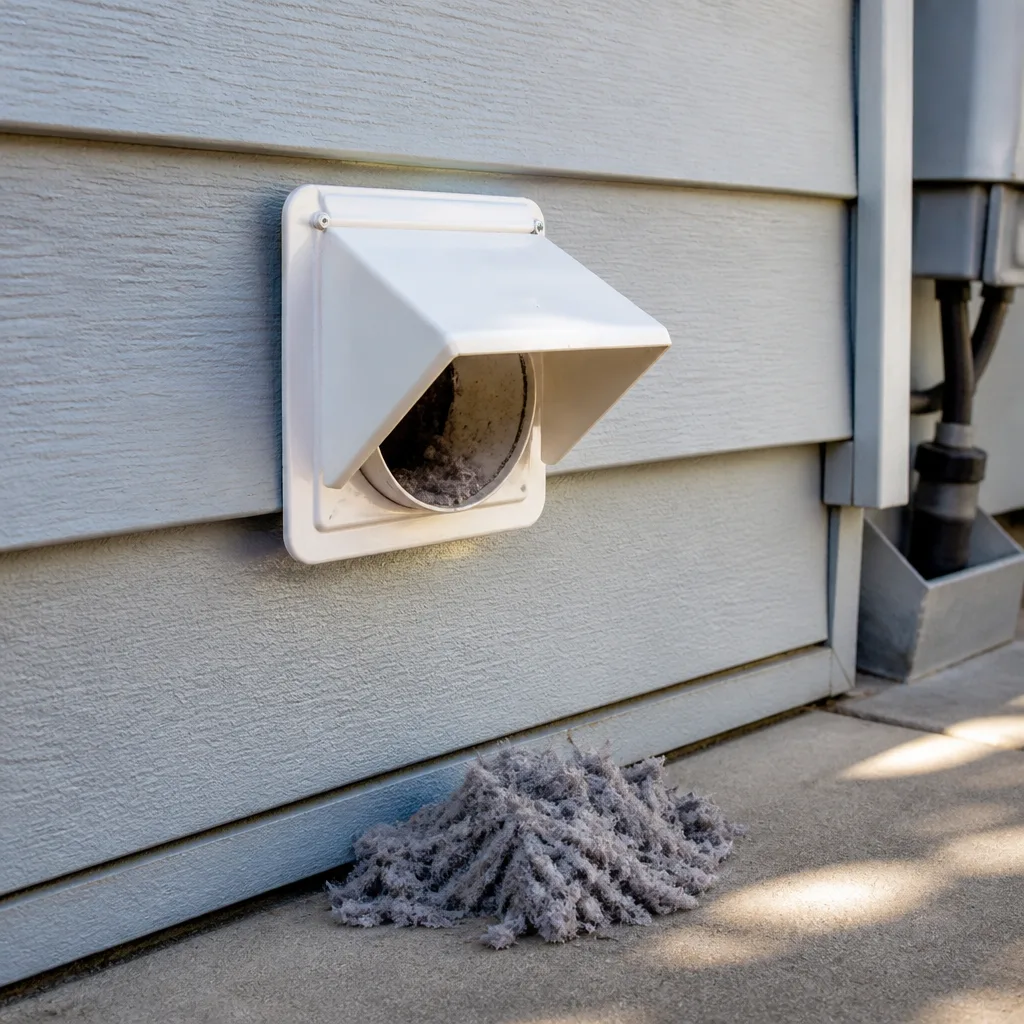 Dryer vent cleaning
 Camera inspection
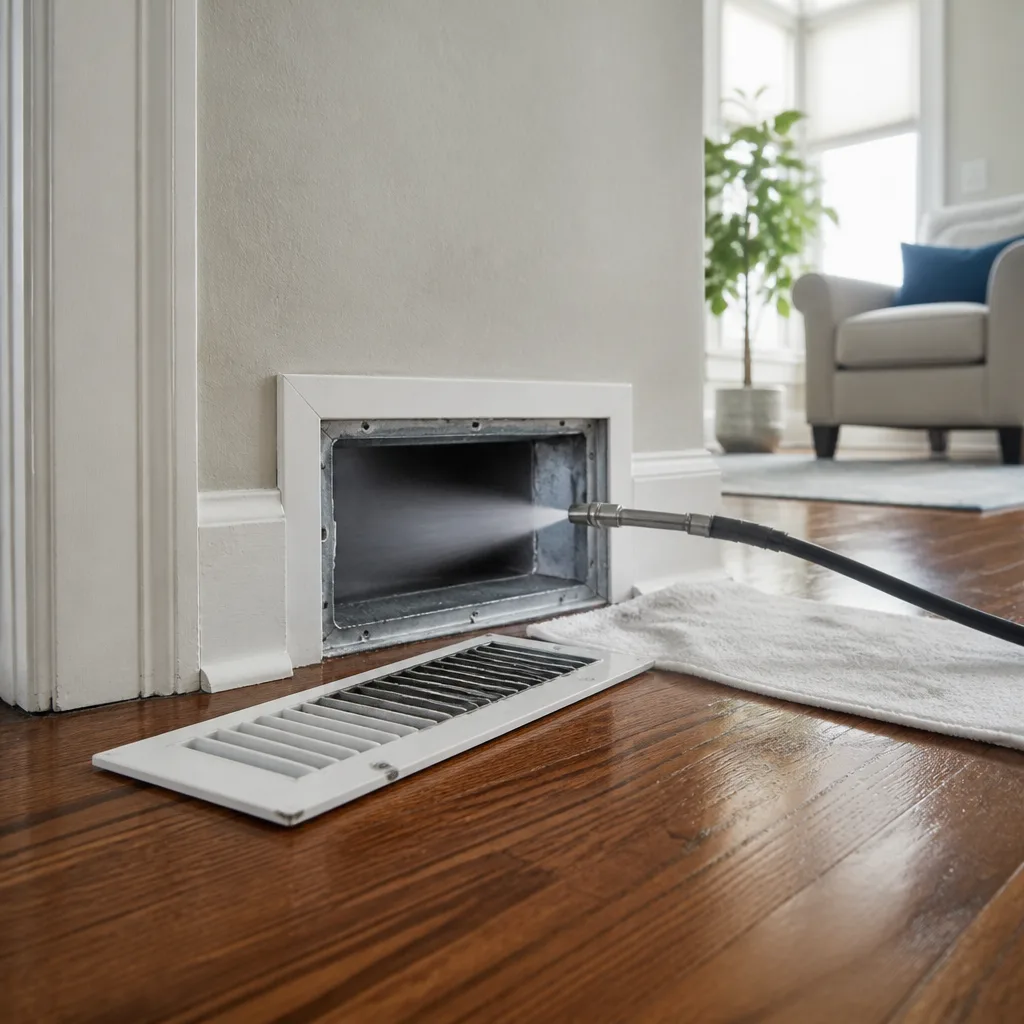 Sanitizing & deodorizing
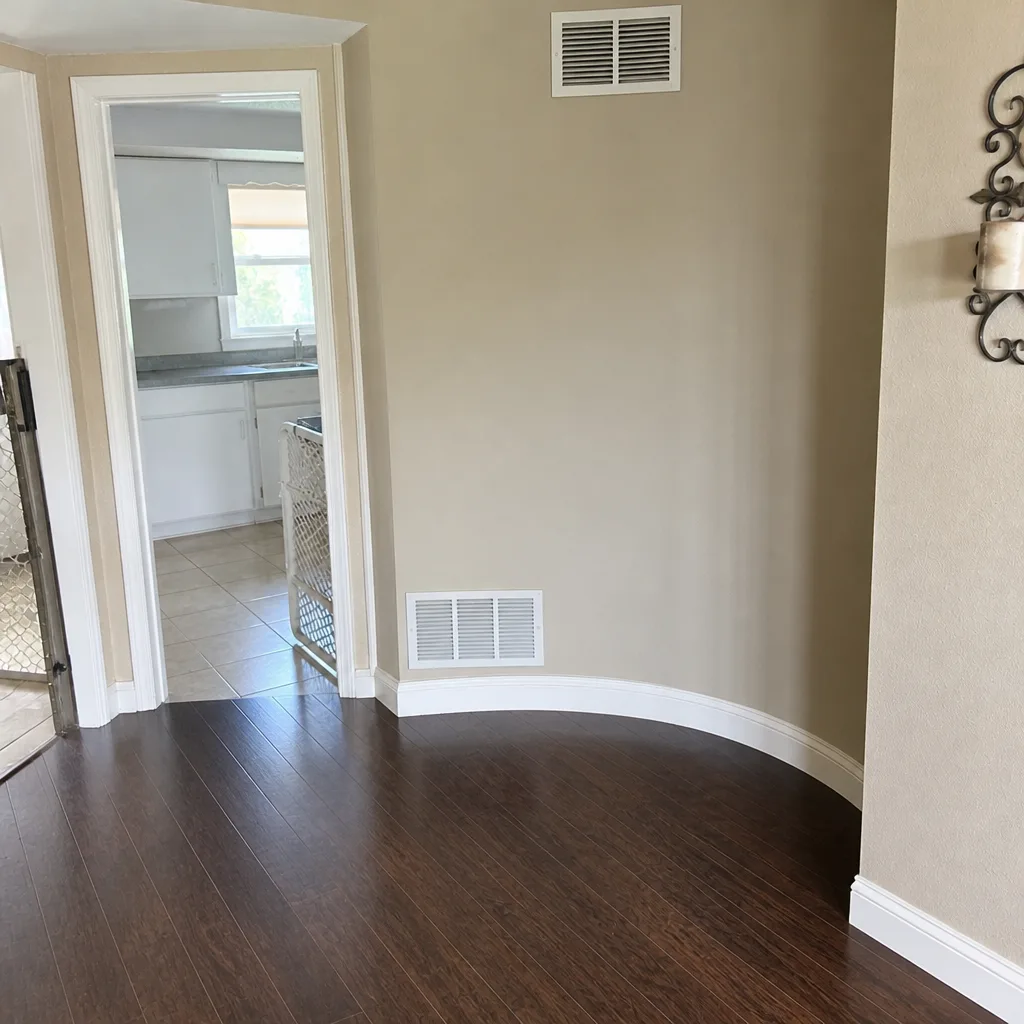
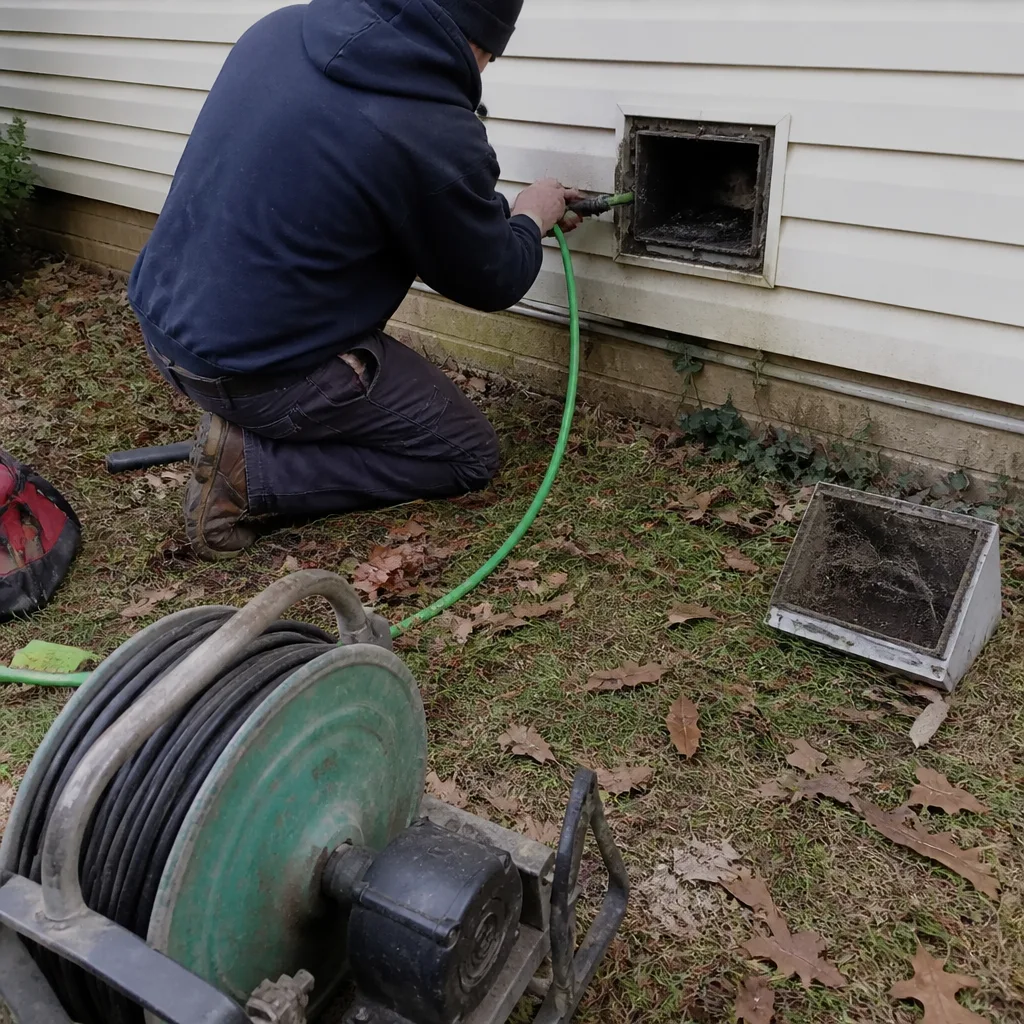
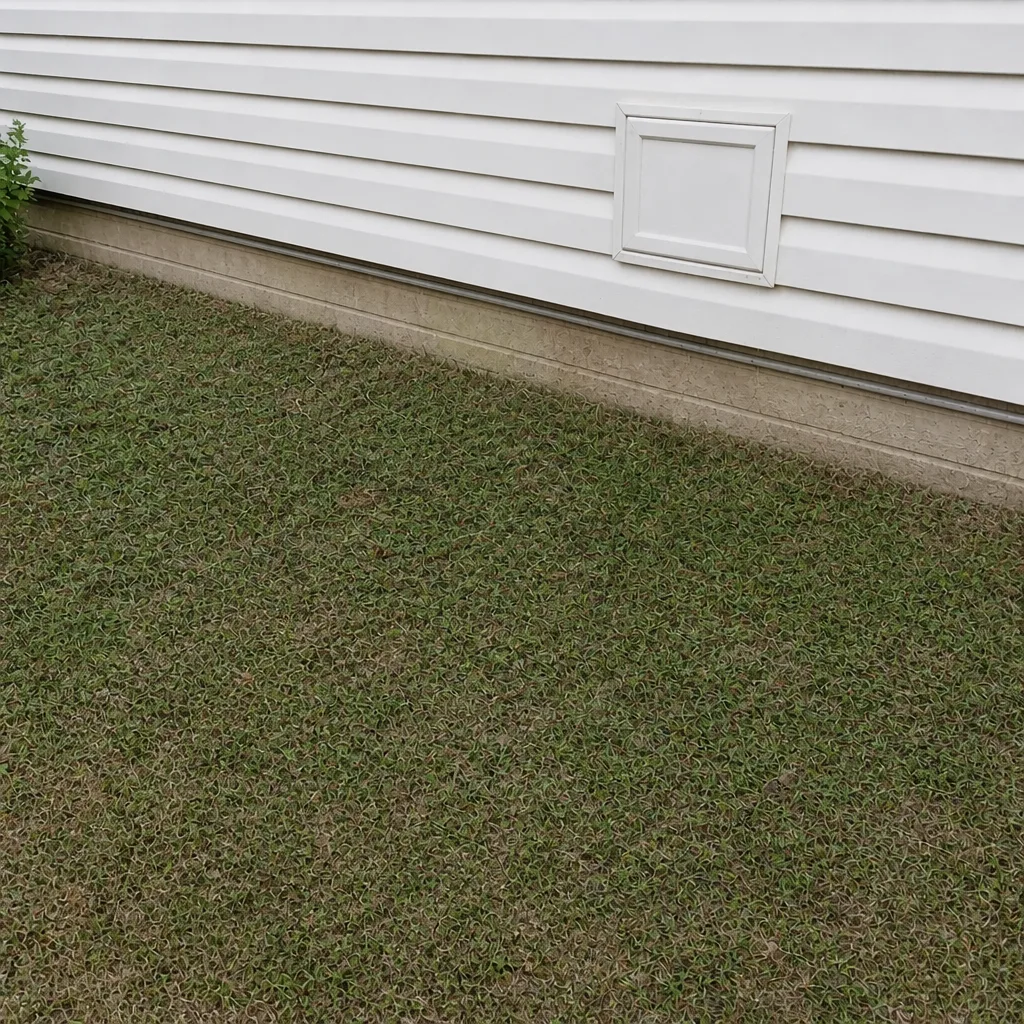
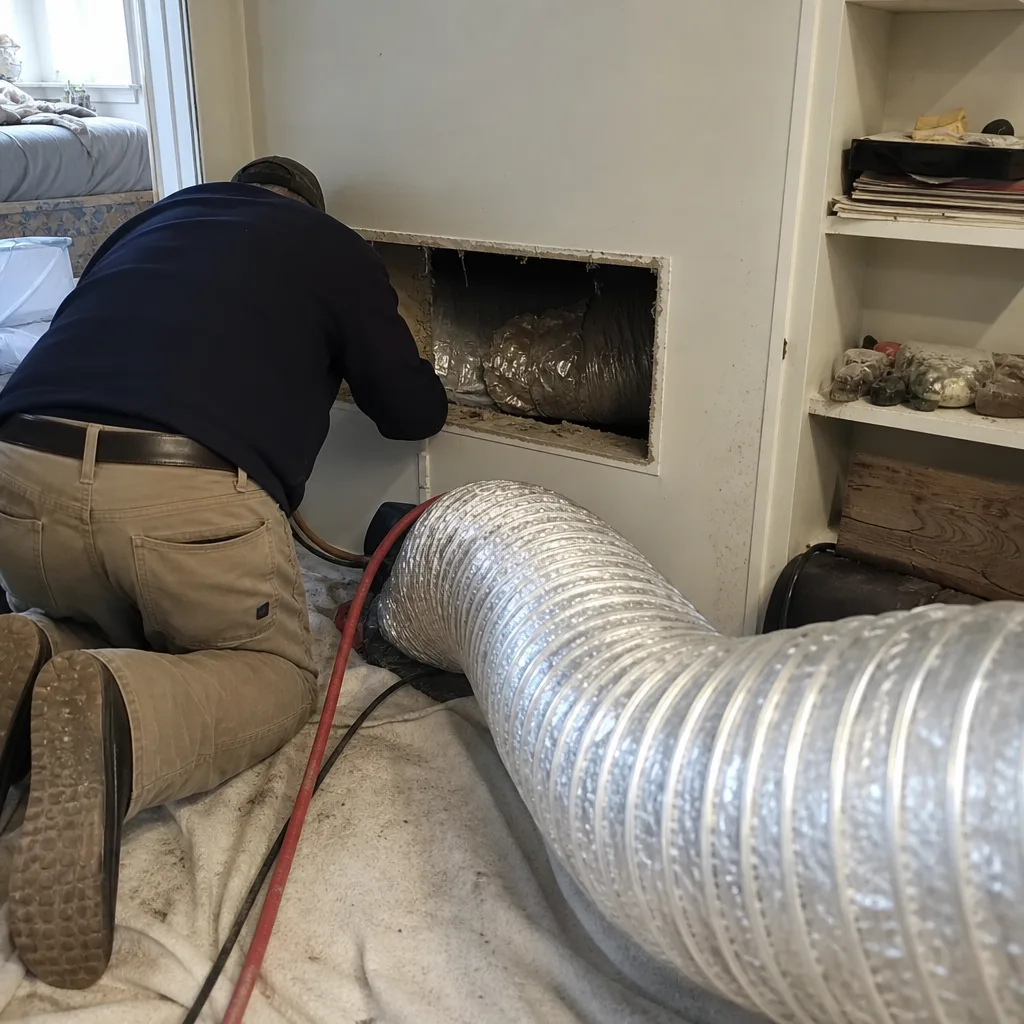
Whole-system duct and dryer vent check with before-and-after photos - you see exactly what came out of your vents
That "$99 whole-house special" is a bait ad - the real number appears once they are in your hallway, or the "clean" is a shop-vac at the register. We photograph the inside of your ducts before and after instead.
Seasonal Air Duct Cleaning Care for Suffolk: Year-Round Homeowner’s Guide
The window between Suffolk’s last hard frost and first 90-degree day is roughly six weeks. That’s not a random fact – it’s the single most useful scheduling marker for anyone who wants their ducts in decent shape before the system runs continuously for five months. Most homeowners in Suffolk wait until something smells wrong or the air handler starts straining, which means they’re already behind. The conventional advice to clean ducts “twice a year” was written for a climate with four equal seasons. Suffolk doesn’t have that. What it has is a punishing humidity stretch, a heavy pollen load, a hurricane-prep window, and a short mild period – and each one leaves a different condition in your ductwork. This guide walks through all four, tells you what to check at each checkpoint, and helps you decide whether you need a full cleaning or just an inspection.
Quick Answer
Suffolk’s duct cleaning schedule should track the local environment, not the calendar quarter. The most useful sequence is: one meaningful inspection in the spring window between last frost and first sustained heat (April to May), a filter and condensation check once the AC starts running continuously in June, a post-hurricane-season inspection of exterior vents and duct connections in October or November, and a low-effort check of the air handler and returns during the mild winter months when the system cycles on and off in humid 40 to 55°F conditions. A full cleaning is warranted when that inspection turns up visible loading, musty odors, post-renovation debris, or a compromised section of ductwork. Otherwise an inspection alone often does the job.
Styles & brands we work with
- Whole-home duct cleaning
- Dryer vent cleaning
- Camera inspection
- Sanitizing & deodorizing
Table of Contents
- Why Suffolk’s Seasons Don’t Work Like Textbook HVAC Advice
- Spring (April – May): The Six-Week Window Before the Heat
- Summer (June – September): Condensation, Musty Odors, and the Mold Question
- Fall (October – November): The Post-Hurricane-Season Inspection
- Winter (December – February): Why Mild Winters Are Not a Break
- Full Cleaning or Just an Inspection? How to Decide at Each Checkpoint
- What to Ask Before Any Duct Work in Suffolk
- The Limits of What You Can Check Yourself
Why Suffolk’s Seasons Don’t Work Like Textbook HVAC Advice
Most duct cleaning advice online reads as if every house in the country experiences the same four seasons in the same order and intensity. Suffolk doesn’t play that game. Our year breaks into four distinct conditions – each one long enough to matter, none of them identical to what the generic advice assumes.
The summer is the obvious one: five months of near-continuous cooling, high humidity outdoors, and a condenser coil working harder than it does in drier climates. Spring is short and aggressive, driven less by temperature than by the pollen load coming off every pine, oak, and grass cycle in the region. Fall is the shoulder season after hurricane season ends, when you can finally see what wind-driven debris and pressure changes did to exterior vents and duct connections. And winter, mild as it is, isn’t a break at all – it’s a period of frequent cycling that many homeowners completely overlook.
We bring this up because the standard “clean twice a year” recommendation sounds sensible until you try to map it onto a Suffolk calendar. Cleaning in March, before pollen has even started, means you’ll be doing it again by June. Cleaning in August means you’re mid-summer with the system already loaded. The right answer is a sequence tied to environmental events, with a decision at each checkpoint about whether inspection or cleaning is what’s actually needed.
The other reason to think this way: indoor air quality problems in Suffolk homes often aren’t caused by duct buildup alone. They’re a combination of buildup, filter condition, coil condition, and how the building envelope handles humidity. A seasonal check lets you address all four at once rather than chasing symptoms. Duct Cleaning Suffolk approaches it that way, and so should you.
If you’re new to the area or to homeownership in general, the Suffolk overview is a reasonable place to start before diving into the seasonal detail below.
Spring (April – May): The Six-Week Window Before the Heat
The point of the spring checkpoint isn’t to clean – it’s to know what condition you’re starting summer with. Between Suffolk’s last hard frost and the first 90-degree day there are roughly six weeks. That’s the window when cooling-season preparation is possible without cutting into a running system.
What’s actually happening to your ductwork in spring: pollen from local pine, oak, and grass cycles can enter through any intake, filter breach, or return-air gap. Once it settles on the inside of the ducts, the cool, damp air of a running system can hold it in place. You often won’t notice until mid-June, when the system starts running full-time and starts pushing that load through the living space.
What to do in this window:
- Inspect the filters. Pull them, hold them to a light. If you can’t see through a standard pleated filter, it needs replacing. Dirty filters are the single most common cause of dust re-entering the supply airstream after cleaning.
- Look at the evaporator coil. A coil that’s matted with dust or pollen will ice up, drip, and create exactly the humidity and microbial conditions you’re trying to avoid going into summer.
- Check crawl space moisture. Before summer humidity builds, walk the crawl space and look for standing water, heavy condensation on the vapor barrier, or damp insulation. Ducts running through a wet crawl space can pick up moisture and deliver it to the living space.
- Inspect return grilles. A return that’s pulling air across a matted filter is a sign of load. A return that’s pulling air from an unfiltered gap is a sign you need to seal that gap before summer.
- Check exterior intake screens. Make sure they’re intact. A ripped screen lets in insects, pollen, and small debris before the cooling season even starts.
If the inspection in this window turns up loading, it’s the cheapest and easiest time of year to schedule air duct cleaning. If it doesn’t, note what you saw and wait until the late-fall checkpoint. Spring is a filter-and-inspection season in most Suffolk homes, not a full-cleaning season.
Why the Six-Week Window Matters
Once Suffolk’s daytime highs stay above 90°F, the system runs close to continuously, which means the system itself is now part of the problem – condensation, pressure changes, and constant recirculation. The window before that is the only point in the year when you can work on the ducts without working against a running system. If you’re going to do a full cleaning before summer, that’s the window.
Summer (June – September): Condensation, Musty Odors, and the Mold Question
What continuous AC operation does to ducts is straightforward: cold air moving through a duct in a warm, humid crawl space or attic creates condensation on the outside of the metal or the inside of any uninsulated section. That condensation is the environment where dust, pollen, and organic material start to look like a substrate rather than just surface dust.
The “musty smell at startup” is the symptom most homeowners in Suffolk notice first. It’s important to be clear about what it usually is and isn’t. A brief musty odor in the first minute after the system kicks on is usually condensation-related – a small amount of moisture has been sitting in a cooling coil pan, a duct transition, or a plenum, and the first air pushed through carries the smell. That’s not the same as active mold growth inside the ducts, and treating it as an emergency is expensive and unnecessary. But it is a signal worth checking.
What to look at in summer:
- Condensate pan and drain line. Standing water in the pan, or a slow drain, means humidity is building inside the air handler. This is the most common source of the start-up musty smell.
- Coil condition. A dirty coil in warm, humid air stays wet longer, which is the exact condition that causes biological growth on the coil rather than the ducts.
- Duct insulation. Any section where the insulation has sagged, torn, or been cut away is where condensation forms. That’s an air duct cleaning and inspection issue, not a standalone humidity problem.
- Return-air path. If returns pull from a humid crawl space, the system itself is introducing moisture to the living space.
If the odor persists beyond the first minute, or you see moisture inside the ducts, or a section of insulation has broken down, that’s when a proper cleaning and inspection is warranted. Our technicians see this pattern every summer in Suffolk, and it’s rarely a full-blown microbial crisis – it’s a humidity problem that shows up in the ducts.
Containment During Summer Cleaning
If you do schedule cleaning in summer, this is when equipment choice matters most. Summer cleaning done with a blow-and-go setup can redistribute the very material that was creating the odor into the living space. Professional cleaning under summer conditions should use negative-air containment – the equipment that holds the space under slight negative pressure so dislodged material is captured rather than pushed into rooms. That’s the reason we work with Abatement Technologies negative-air equipment alongside the cleaning system itself.
Fall (October – November): The Post-Hurricane-Season Inspection
Hurricane season runs through the end of November, and in Suffolk the aftermath is where most underreported duct problems come from. Wind-driven rain, pressure changes across the building envelope, and debris carried into exterior vents all leave traces that don’t show up in a normal inspection.
What to inspect once the season ends:
- Exterior vent screens. Check every intake and exhaust screen for tears, missing sections, or debris caught against the inside face. A ripped screen lets leaves, insects, and small debris into the system.
- Roof and soffit penetrations. Look at how the duct connections pass through the building envelope. Wind pressure can open small gaps between duct and framing that weren’t visible before the season.
- Duct connections in the attic and crawl space. A joint that was taped or sealed may have loosened. Look for visible gaps, sagging flexible duct, or tape that’s pulled away.
- Interior of the ducts near exterior intakes. This is the part you can’t see yourself. The first 6 to 10 feet of duct near an exterior intake is where wind-blown debris usually collects in homes in wind-exposed areas.
- Any water staining. A water stain on a duct joint or on the building surface near a duct run is worth a professional look – moisture in the system is a bigger issue than debris in the system.
Fall is the second-best window in the Suffolk calendar for a full air duct cleaning, because the cooling season is over and you have weeks before heating runs continuously. If your spring inspection was clean, use fall for the follow-up. If a hurricane or tropical system passed through, fall inspection should be non-negotiable regardless of what spring showed.
Debris Infiltration Is Underreported
Homeowners tend to think of duct debris as coming from inside the house – dust, pet hair, cooking oils. That’s part of it. But along wind-exposed walls, exterior intake screens, and roof penetrations, a meaningful percentage of what loads the ducts comes from outside. It’s why fall is a real checkpoint in Suffolk and not just a maintenance formality.
Winter (December – February): Why Mild Winters Are Not a Break
Suffolk winters rarely get truly cold for long. That’s exactly why the winter checkpoint gets skipped – and why it matters. In dry, cold climates, winter is a period of low humidity and simple heating operation. In Suffolk, winter is a period of humid 40 to 55°F days and nights where the system cycles on and off rather than running continuously. That cycling pattern can accumulate more debris load in the air handler, filter, and return plenum than a dry cold climate would in the same period, because the system spends more time in the on-off transition where debris settles.
What to check in winter:
- Filter load. Winter is high filter-replacement season in Suffolk because the system cycles so much. A filter you’d normally replace every three months may need it every eight weeks in a mild winter.
- Return plenum. The open space between the return grille and the air handler is where sediment settles in the off-cycle. It’s the easiest place to see winter loading without any diagnostic equipment.
- Coil condition after the cooling season. The coil that ran from June to September is now the coil cycling in winter. A coil that wasn’t cleaned before the cooling season may have biological growth from summer moisture that’s still there in December.
- Any musty smell at startup. Yes, this can still happen in winter. It usually means the condensate pan or a short section of insulated duct has been holding moisture through the cooling season.
- Honeywell and Aprilaire systems. If your home has whole-home filtration or an air-quality controller, winter is a good time to confirm the filter schedule and air-quality sensor status. These systems need their own maintenance cadence alongside duct care.
Winter in Suffolk isn’t a “skip the check” season. It’s a “check the filters and the return, note what you find, and book ahead” season. If the check turns up visible loading or a smell that won’t clear, schedule the cleaning for the spring window – not for the middle of the heating season when the system is cycling and dislodged material is harder to manage.
The Dryer Vent Winter Check
Winter is also a practical time to look at your dryer vent, because a dryer running longer than it should is easier to notice in a colder house with more indoor drying happening. Lint accumulation in a dryer vent is the safety issue, and it’s separate from the ducts. Suffolk homeowners who note a dryer taking two cycles to finish a load in winter often find it’s the vent, not the appliance. dryer vent cleaning is a distinct service from duct cleaning, and the checklist is different. We treat it as a safety task rather than a convenience.
Full Cleaning or Just an Inspection? How to Decide at Each Checkpoint
At every seasonal checkpoint the decision is the same: inspection or cleaning. Getting this right saves money and keeps the work proportional to the actual condition of the system. Here’s how we think about it.
Inspection alone is enough when:
- Filters are loading normally and the system has been running without odors or pressure issues.
- You haven’t had a renovation, a hurricane, or a water event since the last check.
- The visible ducts are clean at the returns and the air handler inlet.
- The system is keeping up with heating and cooling demands and you’re not noticing more dust settling on surfaces than usual.
Full cleaning is warranted when:
- Visible loading at the returns, plenum, or air handler inlet.
- Persistent musty odor at system startup that doesn’t clear after a filter change.
- Recent renovation, drywall work, or major carpentry – construction dust is the biggest single cause of acute duct loading in Suffolk homes.
- Post-hurricane exterior vent or roof penetration damage.
- A history of water intrusion into the mechanical space, even if it looked minor.
- An older HVAC system with no known cleaning history, being brought up to date.
- A dryer that takes multiple cycles to dry a normal load, which points to the vent rather than the ducts.
Notice that “spring” and “fall” aren’t the deciding factor here – condition is. Spring and fall happen to be the windows when cleaning is most practical, but you’re not cleaning because it’s April. You’re cleaning because April is when you can check, and the check said the system needs it. If the check says it doesn’t, wait. That’s the honest answer and it’s what we’ll tell you.
Renovation Timing
If you’re planning a renovation in Suffolk, the timing trick is to schedule duct work for right after the renovation ends, not before. Dust from drywall, sanding, and cutting moves through the return path and settles in the ducts over the course of the project. Cleaning before the renovation means you’ll be cleaning again after. Cleaning right after the renovation – and verifying the filter caught what it could during the work – is the more efficient sequencing.
What to Ask Before Any Duct Work in Suffolk
The reason to ask questions up front is that the low quote and the honest quote often describe two different jobs. Here’s what a straightforward answer to each of these tells you about the company you’re talking to.
- What equipment will you use? Professional duct cleaning uses contact-based cleaning systems and high-powered vacuums – Rotobrush and Nikro are the two names you’ll see most in the trade. A shop-vac and a blower isn’t the same category of work.
- Are you using negative-air containment? Containment is what keeps dislodged debris out of your living space. Abatement Technologies negative-air equipment is the standard signal that a company is taking the containment question seriously.
- How will you show me what was done? Before-and-after photos of your ducts – your ducts, not stock photos – are the reasonable baseline. Ask before they start.
- What happens if you find a loose joint, torn insulation, or a broken duct? Cleaning without repair leaves the problem behind. A company that does both – cleaning and duct repair – can resolve it in one visit rather than handing you a second problem.
- Is the price per system or per vent? Per-vent pricing makes it hard to compare quotes because the vent count varies. A single price per system, agreed before work starts, is the clearer arrangement.
- How will you handle the air-quality equipment already in my home? If you have Honeywell, Aprilaire, or Guardsman products installed, the cleaning process has to account for them. A company that knows those systems won’t need you to explain them.
If you want a second read on a quote, feel free to call us. Duct Cleaning Suffolk can walk through what you were told and what it means without turning it into a sales pitch.
The Limits of What You Can Check Yourself
There’s a useful division between what you can verify yourself and what you can’t. The checks you can do – filter condition, return grille loading, condensate pan, visible duct joints, dryer vent condition – are worth doing every season. They tell you when it’s time to call a professional. What you can’t do is see inside the duct runs, measure the actual load on the system, or confirm whether a duct that looks fine at the register is compromised at a joint in the attic or crawl space.
What homeowners in Suffolk can safely check:
- Filter condition and replacement timing.
- Visible return grilles and plenum interior (from the outside).
- Condensate pan and drain line.
- Visible duct joints and tape at accessible points.
- Dryer vent exterior termination and lint screen.
- Exterior intake screens.
What requires professional equipment and access:
- Interior duct surface condition along the full run.
- Actual debris load inside supply and return trunks.
- Compromised duct sections in attic, crawl space, or wall cavities.
- Negative-pressure verification during cleaning.
- Condensate and moisture issues inside the duct system itself.
If you’re not sure which category a symptom falls into, calling in a professional for an inspection is cheaper than guessing. Our technicians have up to 12 years of experience, and the first step on most jobs is simply telling the homeowner what the inspection actually found.
Common Mistakes to Avoid
- Cleaning on a calendar instead of on condition. Cleaning every spring because “spring is cleaning time” wastes money in years when the inspection shows a clean system. Clean when the inspection says the load warrants it, and use spring and fall as the practical windows for the work.
- Skipping the fall inspection after a hurricane season. Even a minor tropical system can move debris through exterior vents and open small gaps at duct connections. Fall is the only window before next heating season to catch those issues.
- Assuming a mild winter means nothing happens in the ducts. In Suffolk, humid 40 to 55°F winter days create a cycling pattern that loads the filter and return plenum faster than dry cold climates do. Winter is filter-replacement season here, not a break.
- Treating the start-of-season musty smell as a mold emergency. A brief odor in the first minute is usually a condensate or humidity issue, not a duct contamination event. Diagnose before cleaning – a proper inspection tells you whether the ducts are actually the problem.
- Cleaning before a renovation instead of after. Drywall dust and construction debris settle into the ducts over the course of the work. Clean after the renovation ends, not before it starts.
- Accepting per-vent pricing as a quote. Per-vent pricing makes comparison impossible and often leads to a much larger invoice than the initial number suggested. Ask for one price per system, agreed before work starts.
- Clean-and-go without checking the ductwork itself. A joint that was already compromised is still compromised after the cleaning. If the ducts need repair, address both in the same visit rather than booking a second one later.
- Neglecting the dryer vent because it’s not part of the ducts. Lint accumulation in a dryer vent is a fire risk, and it’s separate from duct cleaning. It’s worth its own annual check, especially in winter when you notice the dryer taking longer.
See the difference
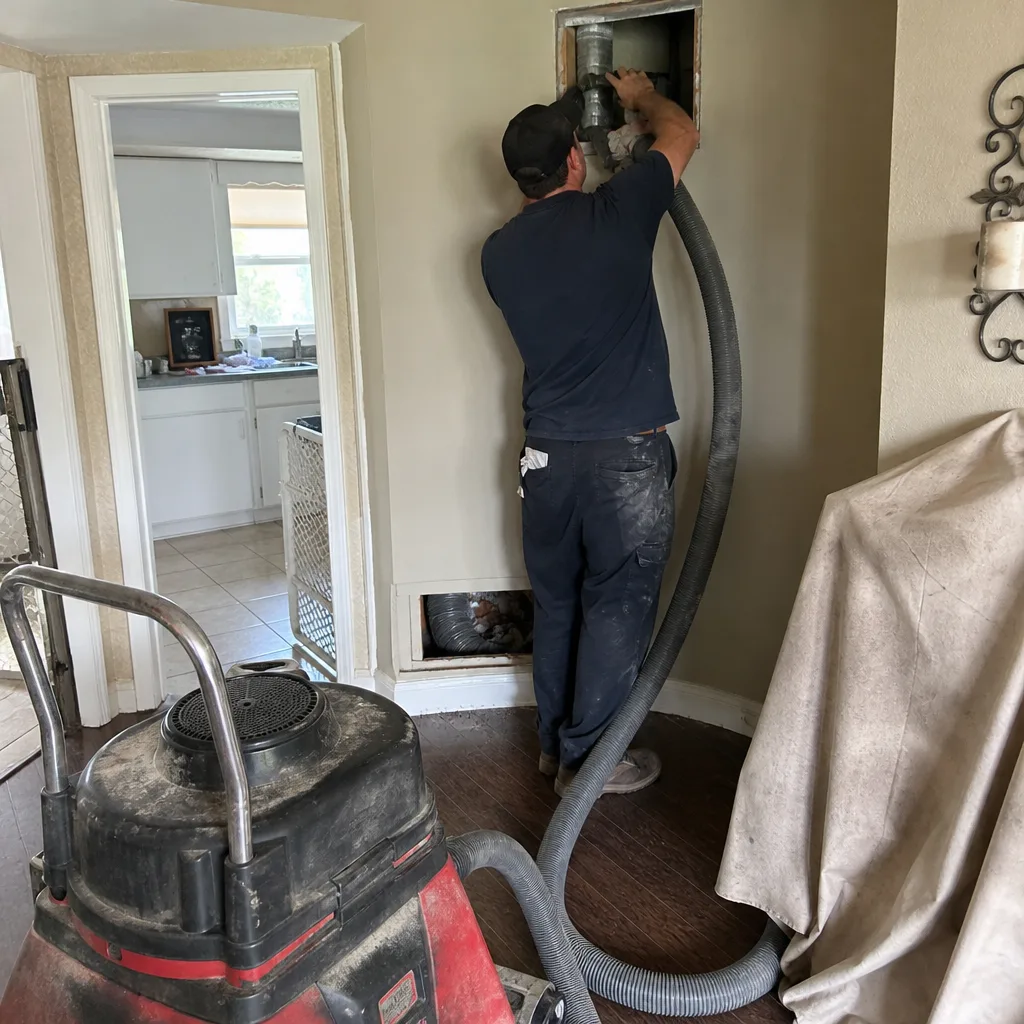 Before
 After
 Before
 After
 Before
 After
When to Call a Professional
Call a professional when you smell it, when you see it, or when you can’t see it. Specific scenarios in Suffolk that warrant a call: any musty odor at system startup that doesn’t clear after replacing the filter; visible dust streaming from supply registers; any renovation finished in the last 60 days with a major dust-generating phase; a hurricane or tropical system that passed through and touched exterior vents or roof penetrations; a dryer taking two cycles to dry a normal load; or a system with no known cleaning history that’s more than a few years old. Each of those is an inspection worth doing before deciding on cleaning. Duct Cleaning Suffolk offers free estimates in Suffolk – call (855) 740-0661. We answer 24/7. Fast dispatch from 7am to 7pm, Sunday through Friday.
Frequently Asked Questions
Most Suffolk homes should have an inspection at least twice a year – one in the spring window between last frost and first sustained heat, one in the fall after hurricane season – and a full cleaning only when that inspection shows visible loading, a persistent odor, recent renovation debris, or a compromised duct section. That’s more often than a bare-minimum “clean twice a year” approach recommends for inspections, and less often for full cleanings, because most years the system is cleaner than a calendar-driven schedule would assume.
Cost varies with the size of the system, the number of trunks and returns, and whether repair or containment work is needed – so we don’t quote without an inspection. The estimate is free and the price is set per job by the written estimate, agreed before any work starts. Call (855) 740-0661 for an exact quote – estimates are free.
A brief musty smell in the first minute of startup is usually condensation-related – moisture sitting in the condensate pan, a duct transition, or the coil that clears once air is moving. It’s not automatically a mold problem in the ducts. If the smell persists beyond a minute, or you see moisture inside the ducts, or the smell returns mid-season, that’s when a professional inspection is worth scheduling.
Yes, especially for homes near wind-exposed walls or with roof and soffit penetrations. Fall inspection after hurricane season catches exterior vent screen damage, small gaps at duct-to-framing connections, and debris that entered through exterior intakes during high wind. That’s the only window to catch those issues before heating season starts cycling the system again.
They’re separate services and worth scheduling together when convenient, but only if both are actually needed. Dryer vent cleaning is a safety task – lint accumulation is a fire risk, separate from duct debris. Duct cleaning is an indoor-air-quality and system-efficiency task. If your dryer is taking multiple cycles to dry a normal load, that’s the trigger for dryer vent cleaning regardless of where the ducts stand.
Professional duct cleaning uses contact-based cleaning systems and high-powered vacuums – Rotobrush and Nikro are the standard names in the trade – plus negative-air containment, for which Abatement Technologies is the recognizable equipment. A shop-vac and a blower isn’t the same category of work. Ask before booking, and ask to see before-and-after photos of your own ducts when the work is done.
The Bottom Line
Suffolk’s seasons don’t map onto the generic “clean twice a year” advice, so treat the schedule as a four-checkpoint year tied to environmental events: the spring window before the system runs continuously, the summer filter and condensation check, the fall post-hurricane inspection, and the winter filter-and-return review during the mild cycling season. At each checkpoint, decide whether inspection or cleaning is warranted based on what you actually find – not on the calendar. Get one price per system, agreed before work starts, ask for before-and-after photos, and make sure the company can address duct repair alongside cleaning. That’s how the seasonal care becomes proportional to the real condition of the ducts, and how you avoid paying for work you didn’t need. If you’re in Suffolk and want an inspection at any point in the year, call (855) 740-0661 for a free estimate – our team knows this local climate and can tell you what the inspection actually found.
Written by the team at Duct Cleaning Suffolk.