
Last updated November 15, 2026
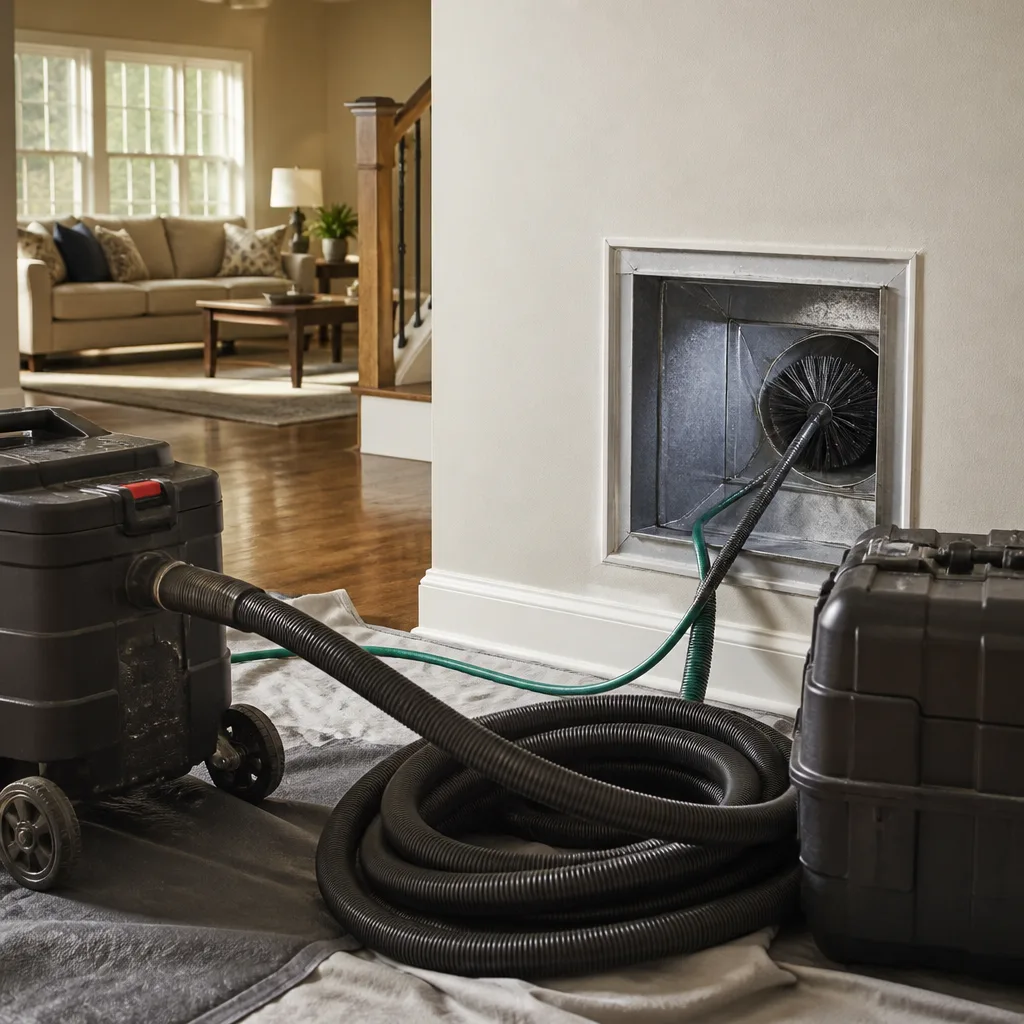 Whole-home duct cleaning
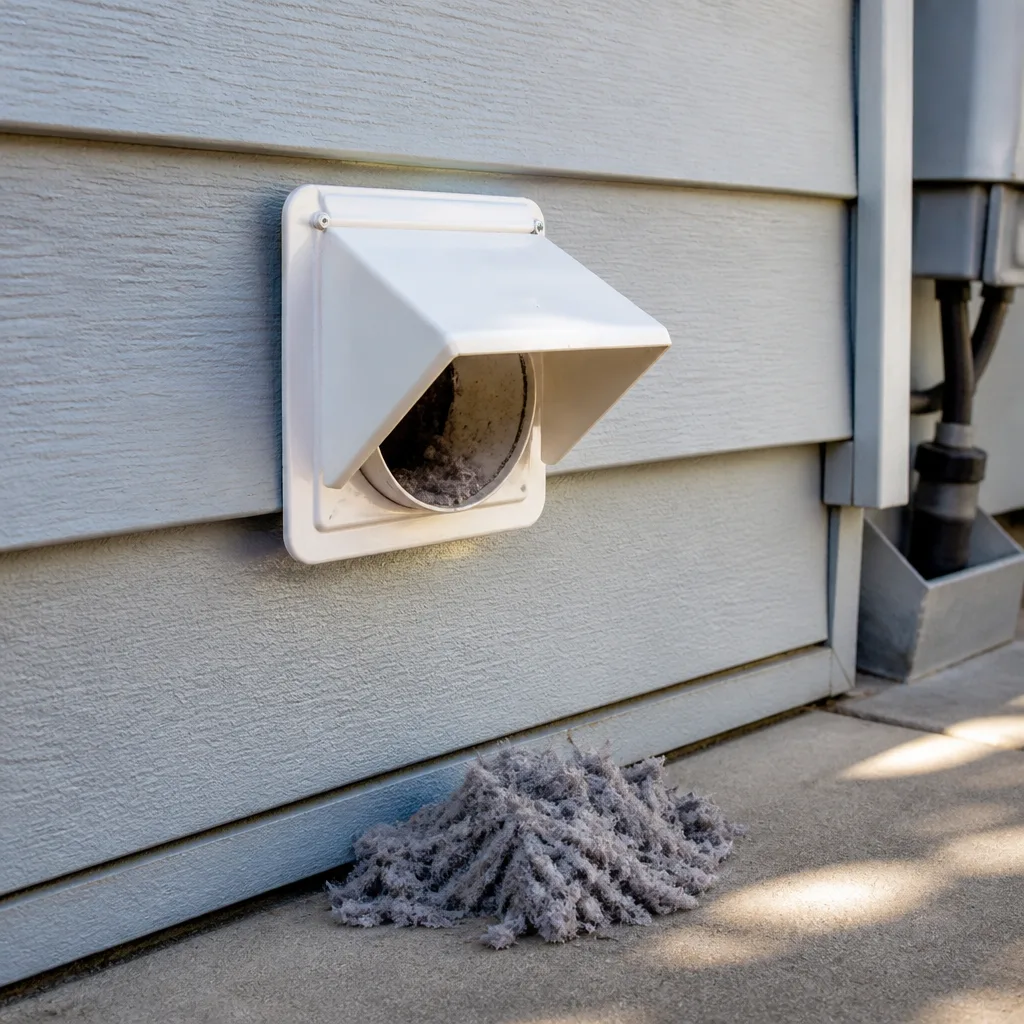 Dryer vent cleaning
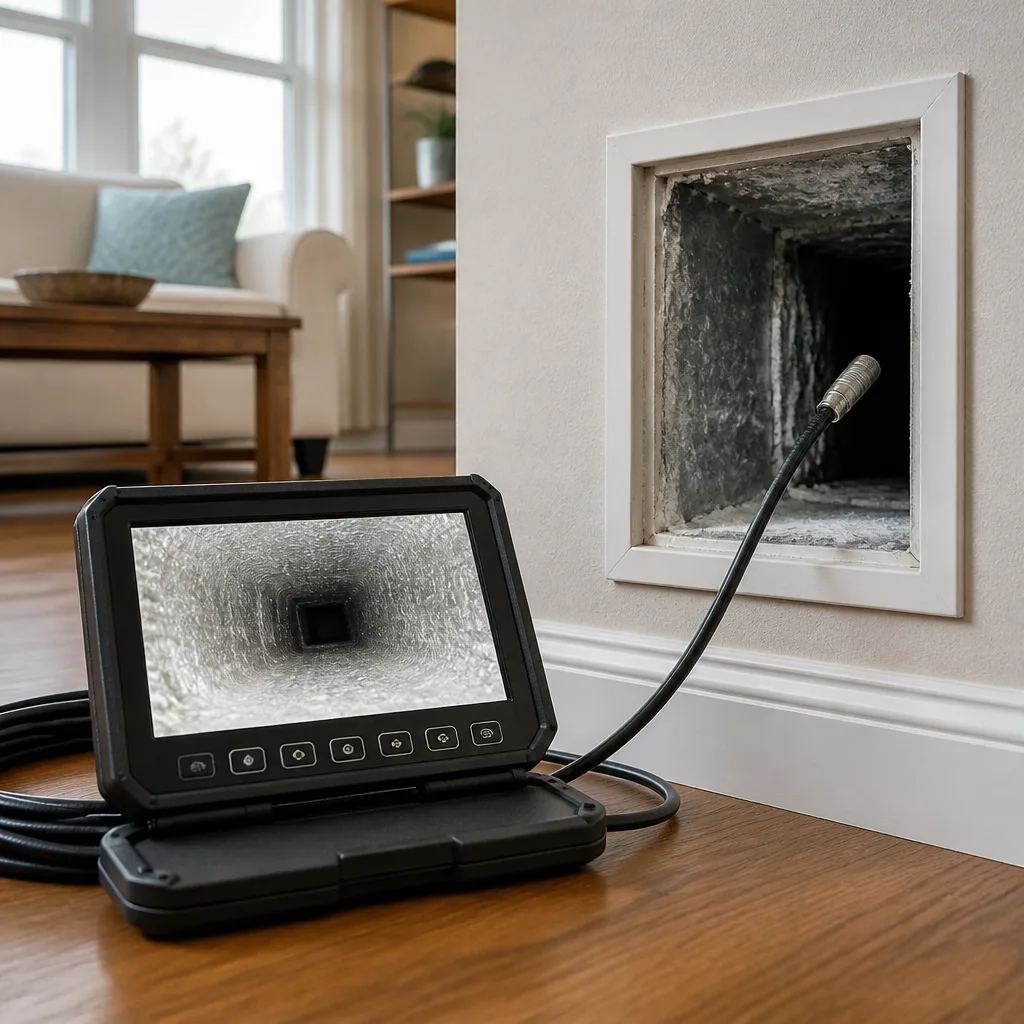 Camera inspection
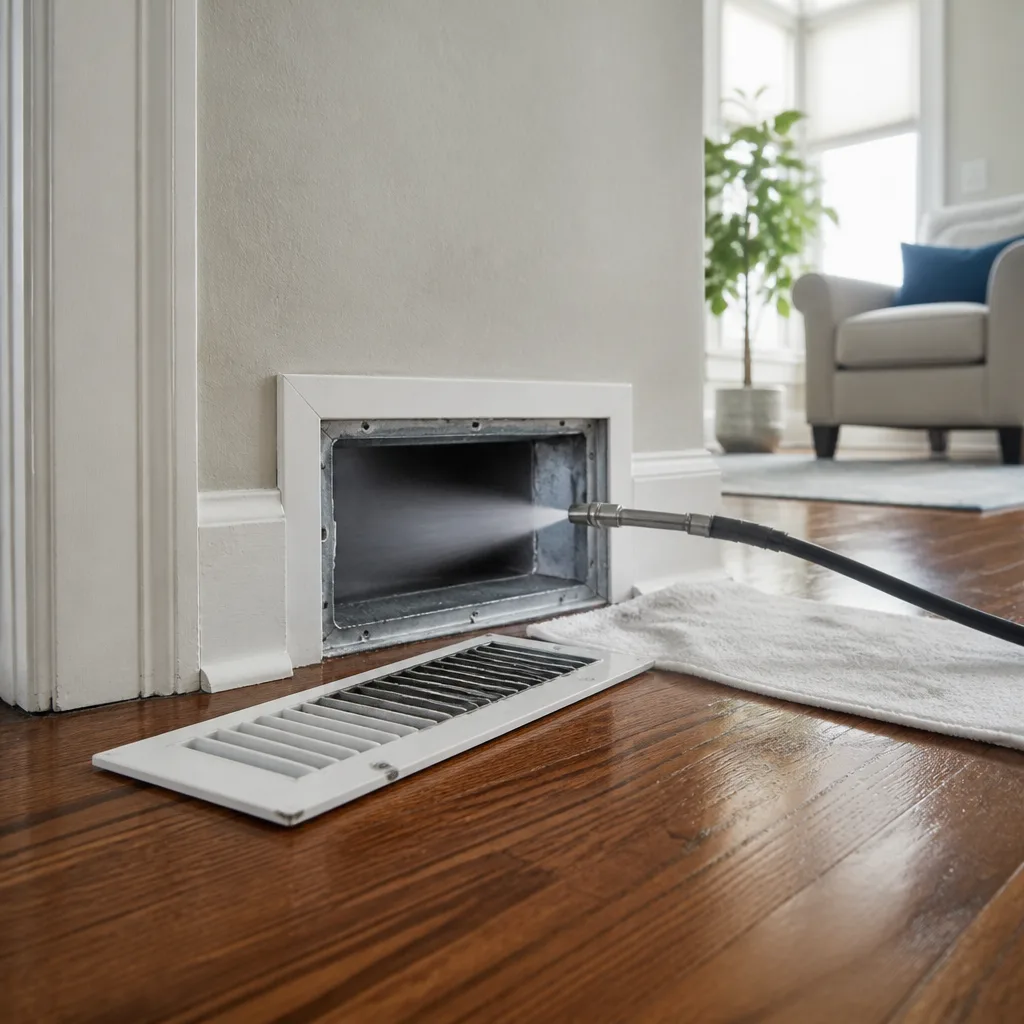 Sanitizing & deodorizing
Whole-system duct and dryer vent check with before-and-after photos - you see exactly what came out of your vents
That "$99 whole-house special" is a bait ad - the real number appears once they are in your hallway, or the "clean" is a shop-vac at the register. We photograph the inside of your ducts before and after instead.
Air Duct Cleaning Emergency Preparedness Guide for Suffolk Homes
After a tropical storm or hurricane passes through, most Suffolk homeowners walk the property in the same order: roof, windows, basement, crawlspace. The return air system pulling unfiltered outside air through a compromised structure for the next 24 hours usually gets ignored until there’s a smell problem three weeks later. That gap between the storm ending and the mold starting is the window this guide is built around. Ductwork is one of the first places moisture, debris, and airborne spores establish after a wind or flood event, and the decisions you make before the storm and in the first 48 hours after it decide whether you’re looking at a cleaning job or a replacement job. We’ll walk through pre-storm prep, post-flood inspection, how to tell debris infiltration from moisture saturation, and how to vet a contractor when the whole region is calling at once.
Quick Answer
Air duct cleaning after a storm in Suffolk is not a cosmetic service. If floodwater entered the structure or the return system pulled unfiltered outside air for hours during or after the event, ductwork should be treated as contaminated until inspected, and insulated flex duct that absorbed moisture usually needs replacement rather than cleaning. Before a named storm, switch the HVAC system off at the thermostat and seal exterior vents; after the storm, document everything with photos before touching anything, then get a professional assessment before running the system again.
Styles & brands we work with
- Whole-home duct cleaning
- Dryer vent cleaning
- Camera inspection
- Sanitizing & deodorizing
Table of Contents
- Before the Storm: Sealing Vents and Shutting Systems Down
- Post-Flood Protocol: When Ductwork Is Presumed Contaminated
- Debris Infiltration vs. Moisture Saturation: How to Tell the Difference
- Suffolk Flood Zones: AE, VE, and X and What Each Means for Your Ducts
- What Insurance Adjusters Need From You After a Storm
- How to Vet a Duct Contractor After a Regional Storm
- What Professional Storm Remediation Actually Looks Like
- Building a Duct Emergency Kit for Suffolk Homes
Before the Storm: Sealing Vents and Shutting Systems Down
The most effective thing you can do for your ductwork during a storm happens before the first rain band arrives. When a hurricane or tropical storm is forecast for the Suffolk area, your HVAC system becomes a potential entry point for wind-driven rain, pollen, insulation fibers, and outdoor debris. Most of that contamination is preventable.
Pre-Storm Checklist
- Switch the system off at the thermostat. Don’t rely on the breaker alone. Setting the thermostat to “off” stops the air handler from running and prevents the return side from pulling unfiltered air through a structure that may already be compromised.
- Seal exterior HVAC penetrations. Any pipe, line set, or vent that passes through an exterior wall is a gap. Foam sealant or even temporary weatherstripping around the penetration reduces wind-driven intrusion during the storm.
- Close the outdoor air intake damper if your system has one. Many modern homes in Suffolk have a fresh-air intake tied to the return plenum. If yours does, closing the damper before landfall keeps outdoor air out of the system.
- Cover supply and return registers on the lowest floor. A plastic sheet taped over floor registers in a ground-floor or crawlspace-adjacent room limits how much flood debris can enter the ducts if water rises.
- Photograph your duct system and air handler before the storm. A clear “before” record is worth more to your insurance adjuster than anything you can produce later.
- Change the filter before you leave or shelter in place. A clean filter is a cleaner baseline for detecting post-storm contamination.
None of this is complicated. The point is that every hour the return air system runs during a wind event is an hour it’s pulling whatever is in the air outside and around the envelope straight into the duct system, where it settles. Once debris is in the ducts, it becomes part of the surface dust you’re breathing for months. For a deeper look at how the cleaning process handles settled debris, see our air duct cleaning page.
Post-Flood Protocol: When Ductwork Is Presumed Contaminated
Floodwater is not the same as rainwater. If water entered the structure at any level that touched the air handler, the return plenum, or any supply or return duct, the system should be presumed contaminated until inspected. That presumption is standard practice among restoration contractors and it’s the right default for a Suffolk home.
Water Intrusion Levels
- No intrusion: Ducts may still need cleaning for debris and wind-driven contamination, but no moisture assessment is required.
- Minor intrusion (a few inches, no equipment contact): Inspect, dry, and clean. Document the water line with a photo before anything is moved.
- Moderate intrusion (equipment submerged or ductwork with standing water): Assume contamination and discontinue use until a professional assessment is performed.
- Major intrusion (water above the air handler or significant standing water in the ducts): Insulated flex duct in this scenario is almost always a replacement rather than a cleaning.
First 48 Hours
- Do not run the HVAC system. Running a contaminated air handler spreads spores and moisture through every room.
- Photograph everything. Water lines on walls, the air handler, filter condition, register locations, and any visible debris inside registers.
- Turn off power to the air handler at the breaker if you have any concern about water contact with electrical components.
- Call your insurer before you clean anything. Adjusters want to see the original condition. Cleaning before documentation can complicate the claim.
- Schedule a professional inspection. A qualified contractor will use a camera inspection to check the interior of the duct runs and determine whether the insulation has absorbed moisture.
One thing to keep in mind: a flooded crawlspace under a Suffolk home is one of the most common paths for moisture into the duct system, because so many flex runs travel through that space. Even if the interior of the house stayed dry, a wet crawlspace can saturate the outer jacket of insulated duct over a period of days.
Debris Infiltration vs. Moisture Saturation: How to Tell the Difference
This is the single most important distinction in post-storm duct work, and it’s the one that changes the answer between “cleaning” and “replacement.” Debris infiltration is a cleaning problem. Moisture saturation of insulated flex duct is a replacement problem. Cleaning a saturated duct doesn’t fix it; the insulation remains damp and becomes a growth medium.
Signs of Debris Infiltration (Cleaning Job)
- Visible dust, drywall dust, or insulation fibers inside registers
- A dusty or “construction” smell when the system runs, without a musty or damp character
- Dry-looking duct interiors when inspected with a camera
- No water line in the crawlspace or near the air handler
- Filter is loaded with particles but the housing is dry
Signs of Moisture Saturation (Replacement Job)
- Musty or damp odor from registers, especially in the first few minutes of runtime
- Flex duct jacket that feels heavy or shows visible water staining along the low points of a run
- Condensation or rust at connections, especially where duct meets the air handler or plenum
- A visible water line on the duct insulation or a damp crawlspace
- Visible dark staining or growth on the interior duct lining
We’ve seen plenty of homes where the homeowner called for a cleaning after a storm and the real problem was saturated flex in the crawlspace. Cleaning a wet duct is worse than not cleaning it, because you disturb the contamination without fixing the moisture source, and it can spread to other parts of the system. That’s why we carry air duct repair capability alongside cleaning: one call can identify and fix the compromised section, not just clean around it.
The camera inspection is what separates the two cases definitively. A contractor who quotes a cleaning without inspecting the duct interior, or who quotes a replacement without photographing visible moisture, is guessing. Insist on both forms of documentation.
Suffolk Flood Zones: AE, VE, and X and What Each Means for Your Ducts
Suffolk sits in a coastal storm zone, and the FEMA flood zone your home is in changes what happens to your ductwork after an event, and how your insurance company will treat the claim. Three zones come up most often for Suffolk properties.
AE Zones
AE is a high-risk flood zone with a defined base flood elevation. Homes in AE zones typically have ductwork routed to minimize water exposure, but crawlspace runs still exist and post-storm duct inspection is standard. Insurers in AE zones usually expect a professional moisture inspection report along with photos if the home had any water intrusion, even below the documented base flood elevation. If your air handler is in the attic, it may be less exposed to floodwater, but it can still be a source of pulled-in moisture from a compromised envelope.
VE Zones
VE zones are the velocity zones, where wave action is possible during a storm. Duct systems in VE zones that experienced any water exposure almost always default to replacement rather than cleaning, because the moisture exposure is assumed to be significant. Adjusters in VE zones treat ductwork the same way they treat wet drywall: if it got wet, it comes out. That assumption is in your favor for claim purposes, but it means you should not run the system or attempt a DIY clean before inspection.
X Zones
X zones are lower-risk, and the insurance assumption is different. Post-storm contamination in an X zone home is usually treated as a debris-cleaning issue rather than a moisture-saturation issue, unless the homeowner can document water intrusion. That means more of the burden falls on you to photograph and document any moisture or staining you find, because the default assumption is that the home stayed dry.
What All Three Zones Have in Common
- Post-storm inspections should happen before the system is run
- Photos of the air handler, register, and duct connections are required for any claim
- Professional documentation carries more weight than homeowner photographs alone
If you’re not sure which zone you’re in, your county property record or your homeowner’s insurance policy will tell you. For broader local context on how ducts behave in this region, see our Suffolk area guide.
What Insurance Adjusters Need From You After a Storm
Adjusters care about two things when it comes to ductwork: proof that the contamination or moisture existed, and proof of the condition before any work was done. Everything else is a detail.
The Documentation Package
- Dated photographs of the water line. If water entered the crawlspace or a room with registers, photograph the water line on walls, duct insulation, and the air handler before it’s touched.
- Photographs of the filter condition. A loaded filter is evidence the system was running during or after the event. A clean filter with visible debris on the return plenum tells a different story.
- Camera inspection photos of the duct interior. This is the piece most homeowner documentation can’t provide and most adjusters want. It shows the interior surface of the duct runs and any visible moisture staining, debris, or growth.
- A written assessment from the contractor. Not a verbal quote. A line-item document that states observed condition, the recommendation (clean or replace), and the reasoning.
- Before-and-after photos of any work performed. A reputable contractor should provide these as standard practice, and your adjuster will want them if the claim is disputed.
An adjuster isn’t trying to deny your claim. But if the documentation isn’t there, the claim defaults to the cheapest plausible interpretation, which is often “debris cleaning.” Adding the camera inspection and moisture report to the file is what shifts the interpretation to what actually happened. The technicians at Duct Cleaning Suffolk photograph their own work and can supply before-and-after images of the ducts they’ve inspected, which usually makes the adjuster’s file easier to close.
How to Vet a Duct Contractor After a Regional Storm
Demand spikes after a regional storm event. So does the population of out-of-area operators who show up with a shop vac, a clip board, and a coupon. The vetting that matters after a storm is the same vetting you’d do in a calm week, only faster.
What to Verify
- Equipment. Ask what contact-cleaning system and vacuum unit they use. Professional duct cleaning is done with equipment like a Rotobrush contact system and a Nikro high-powered vacuum, or comparable professional-grade systems. A shop vac and a blower is not duct cleaning.
- Containment. Ask whether they use negative-air equipment during the work. Abatement Technologies negative-air units keep debris and spores contained during the job rather than displacing them into the living space. A contractor who doesn’t know what negative air is doesn’t do storm remediation.
- Written estimate. A written estimate states the price per system, not per vent, and it’s presented before the work starts. If the price changes after the technician is on site, you’ve been baited.
- Camera inspection. They should offer interior camera documentation without being asked.
- Local availability. Out-of-area operators who arrive for a storm often can’t come back for warranty issues, follow-up inspection, or a repair that’s discovered a few weeks later. A local contractor can be reached when the system needs attention in February.
What to Avoid
- Any contractor who quotes a per-vent price before seeing the system
- “Emergency clean-up” crews with no written estimate process
- Anyone who promises to “bill your insurance directly” as the primary selling point (we can work with your insurer, but the documentation and the claim are still yours)
- Any contractor who insists the ducts need replacement without showing you a photo of moisture
The pattern to watch for is the same one you’d worry about during any storm event: a low teaser price, a technician who inspects and then “finds” a much larger problem, and a verbal price change with no documentation. Our practice is one flat price per system, agreed before work begins, no per-vent pricing. That’s the standard to hold any contractor to after a storm.
What Professional Storm Remediation Actually Looks Like
Storm-related duct cleaning is more involved than routine maintenance because the contamination is heavier and more variable. The process itself is straightforward, and understanding it helps you judge whether a contractor is doing real work.
The Process
- Inspection and documentation. Camera inspection of the duct interior, photos of any water lines, assessment of the air handler and plenum.
- Containment setup. Negative-air equipment isolates the work area and captures what’s being removed.
- High-volume vacuum attached to the main trunk. A Nikro or comparable high-powered vacuum creates negative pressure in the duct system so that when debris is dislodged it’s pulled out of the system rather than into the rooms.
- Contact cleaning of every run. A Rotobrush contact system is fed through each supply and return run to agitate and remove debris from the duct walls. This is what separates a real clean from a blow-through.
- Register and diffuser cleaning. Registers are removed, cleaned, and reinstalled. The register itself is often where the debris concentrates after a wind event.
- Air handler and blower cleaning. The blower wheel is a magnet for fine debris in storm conditions and is checked and cleaned as part of the job.
- Post-cleaning camera documentation. Before-and-after images of the same duct runs.
- Restoration of any damaged runs. Any saturated or damaged section that couldn’t be cleaned is repaired or replaced as part of the same visit.
If your home has a premium filtration system, whether a Honeywell or Aprilaire setup, the contractor needs to understand how it integrates with the return side before starting. Those systems are common in Suffolk homes, and an unfamiliar technician can struggle or leave the filtration component improperly reinstalled. Our technicians have up to 12 years of experience and are familiar with both Honeywell and Aprilaire systems, so the filtration works the way it’s supposed to when the job wraps up.
The equipment roster is the difference between a duplicate of the problem and a resolution. Professional-grade systems, not consumer shortcuts, are what reliably get a storm-contaminated system clean rather than merely shaken loose.
Building a Duct Emergency Kit for Suffolk Homes
Not a flashlight-and-batteries kit. The kit that catches the 48 hours that matter for your duct system. It’s a small folder, a phone, and a couple of cheap supplies. Prepped in advance, it takes the chaos out of the post-storm week.
What Goes in the Kit
- Before-storm photographs of your air handler, filter, and every register, dated and stored in your phone’s cloud backup
- Your HVAC model and serial information photographed and labeled
- Your flood zone designation noted on a single sheet of paper, along with your base flood elevation if in AE or VE
- Your insurer’s claims number and policy number in one place, not buried in a filing cabinet
- A roll of plastic sheeting and painter’s tape for sealing floor registers if water is rising
- A camera or phone with a fresh charge and a charging brick that doesn’t rely on wall power
What Goes in the Post-Storm Folder
- Dated photographs of water lines, filter condition, and register interiors
- The contractor’s written assessment and camera inspection photos
- The written estimate and final invoice, kept together
- Before-and-after photos of any work performed
The point isn’t bureaucracy. It’s that the difference between a smooth claim and a denied claim is often just the presence of a dated photo. And the difference between fast, appropriate repair and three weeks of waiting for a contractor to schedule an inspection is a call placed in the first 48 hours.
One more category worth prepping: your dryer vent. If a storm knocks out power or forces you to run the dryer continuously during a recovery week, a clogged vent turns into a genuine fire risk. Post-storm is a good moment to schedule dryer vent cleaning along with the duct inspection, so the two safety risks are handled in a single visit.
Common Mistakes to Avoid
- Running the HVAC system immediately after a storm “to see if it works.” If the return has pulled unfiltered air or there’s any moisture exposure, every hour of runtime spreads contamination through the house. Switch the system off and wait for the inspection.
- Cleaning the visible ducts and calling it done. The worst contamination is in the runs you can’t see from a register, and the part that’s hardest to reach is usually where the moisture settled. Camera inspection is the only way to know what’s really in the system.
- Accepting a “storm discount” without a written estimate. Post-disaster service pricing that changes after the technician arrives is the most common complaint in this trade after a regional event. One flat price per system, agreed before work starts, is the standard.
- Skipping the moisture inspection because the house “looked dry.” Crawlspaces hold moisture for days after the storm passes, and saturated flex duct can look fine from the outside. A camera and a moisture reading settle the question.
- Believing a quote that insists on replacement without photos. Replacement is sometimes correct, but a contractor who recommends it without showing you a photo of saturated insulation or visible growth is guessing or upselling.
- Letting the dryer go unchecked in storm recovery. A dryer running constantly during a recovery week with a lint-clogged vent is a fire risk that doesn’t need a storm to happen. NFPA has long flagged dryer vents as a leading residential fire cause.
- Not documenting before cleaning. Insurers interpret the claim from what’s in the file. Cleaning before photos weakens your ability to prove what was there. Photograph first, then call.
See the difference
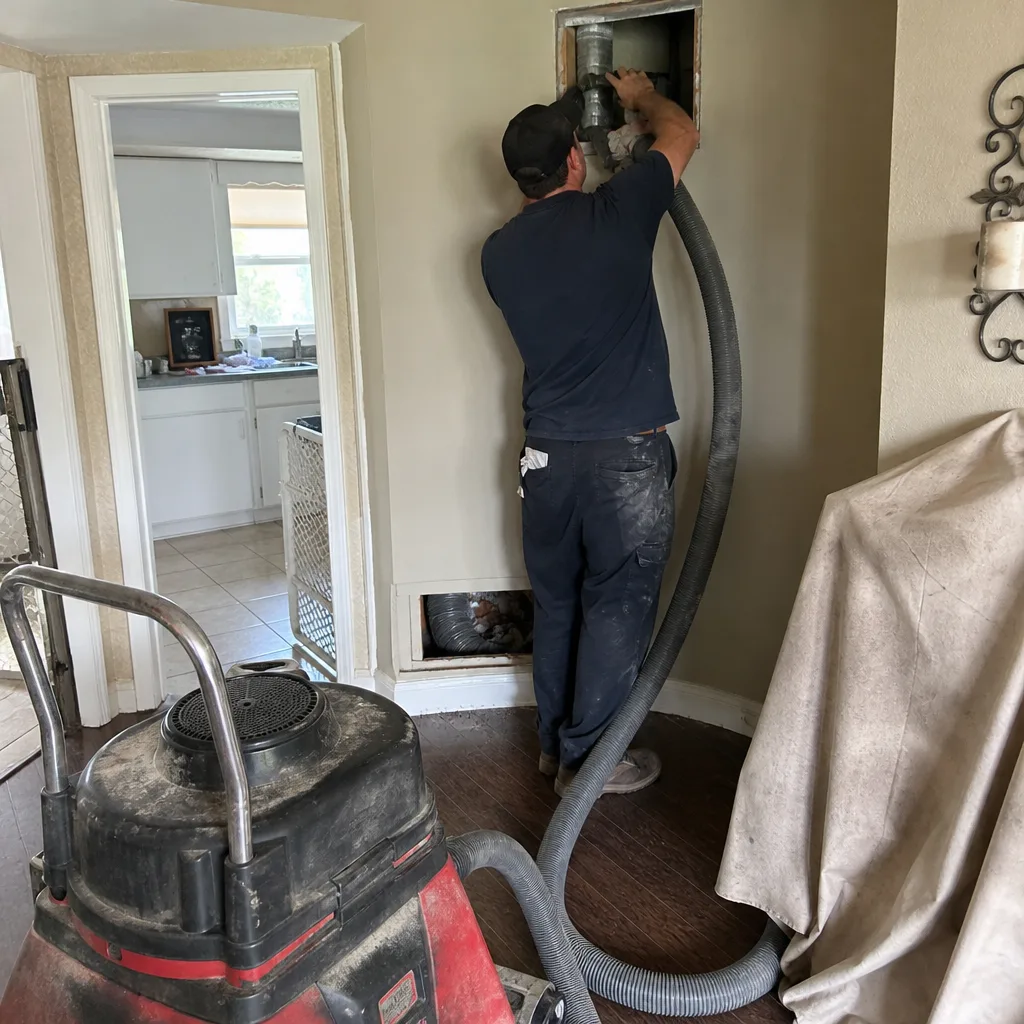 Before
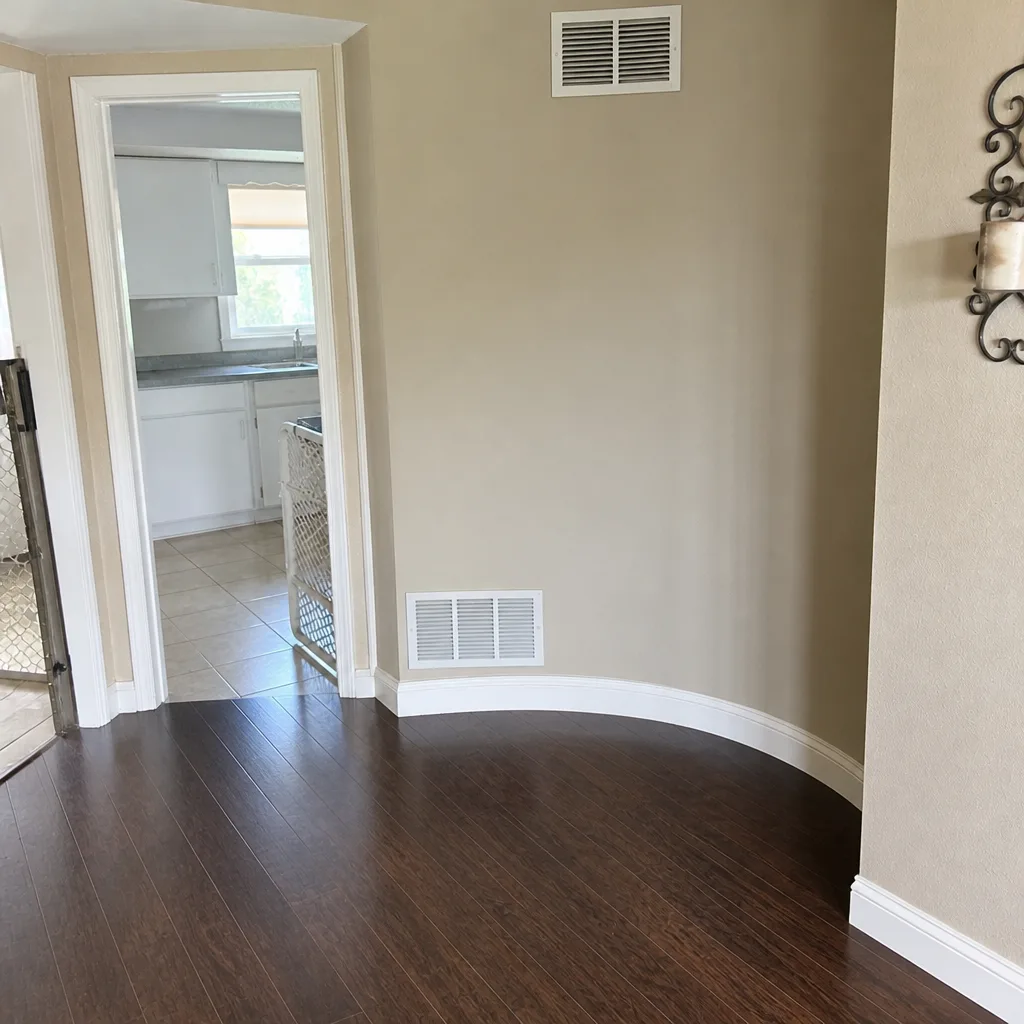 After
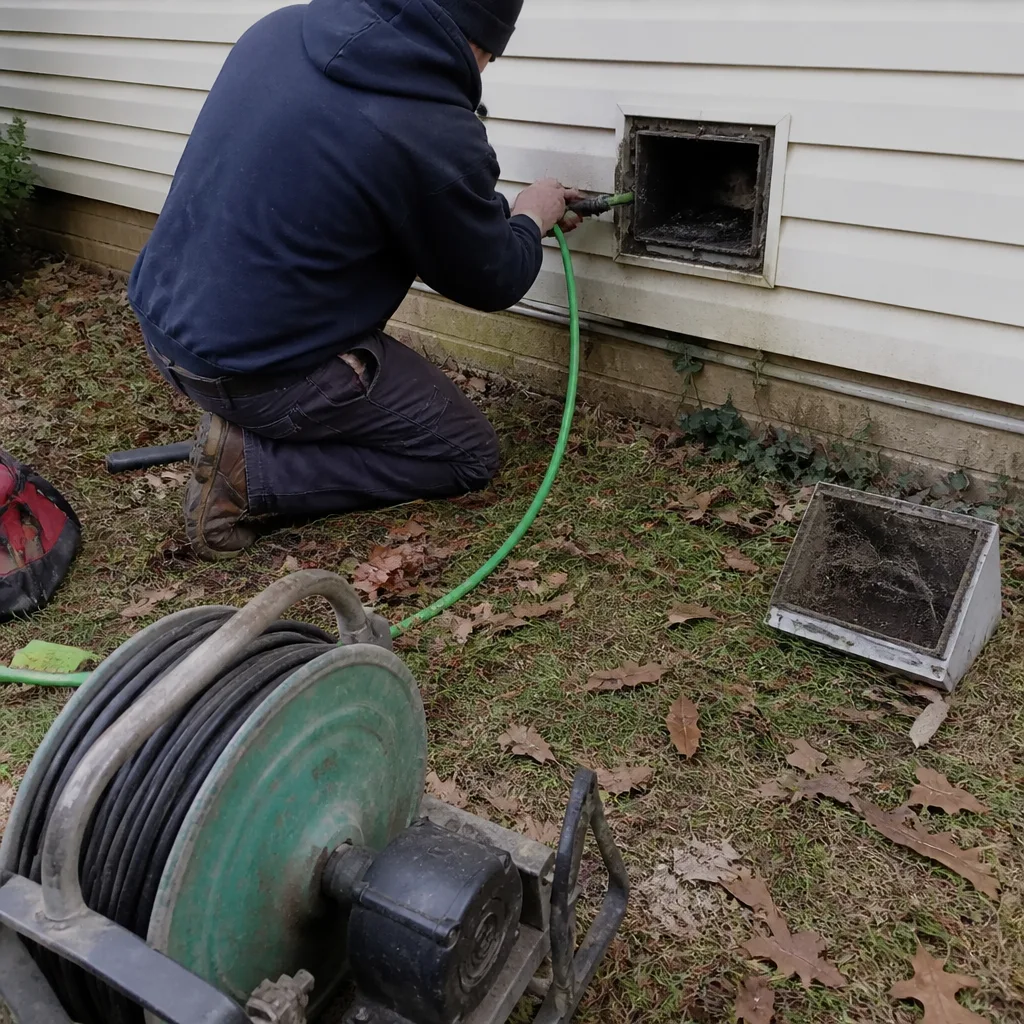 Before
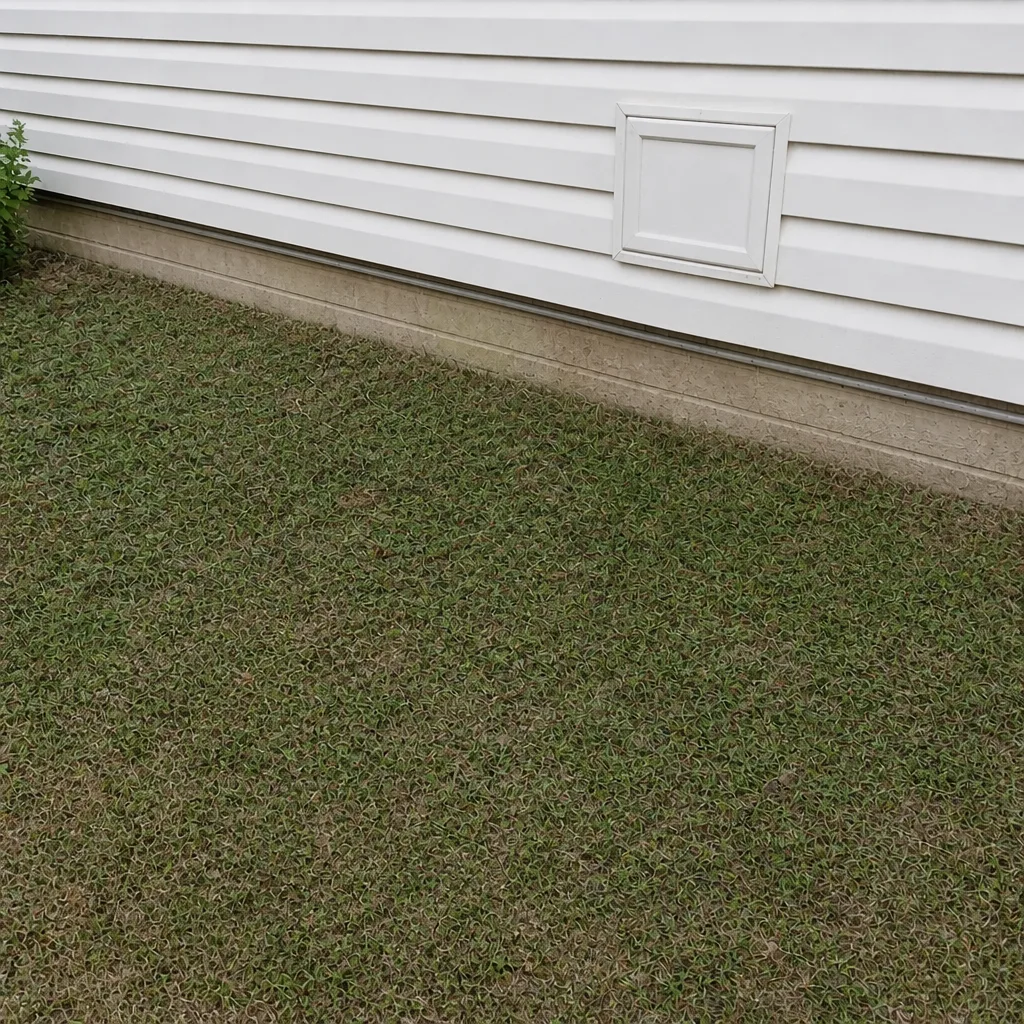 After
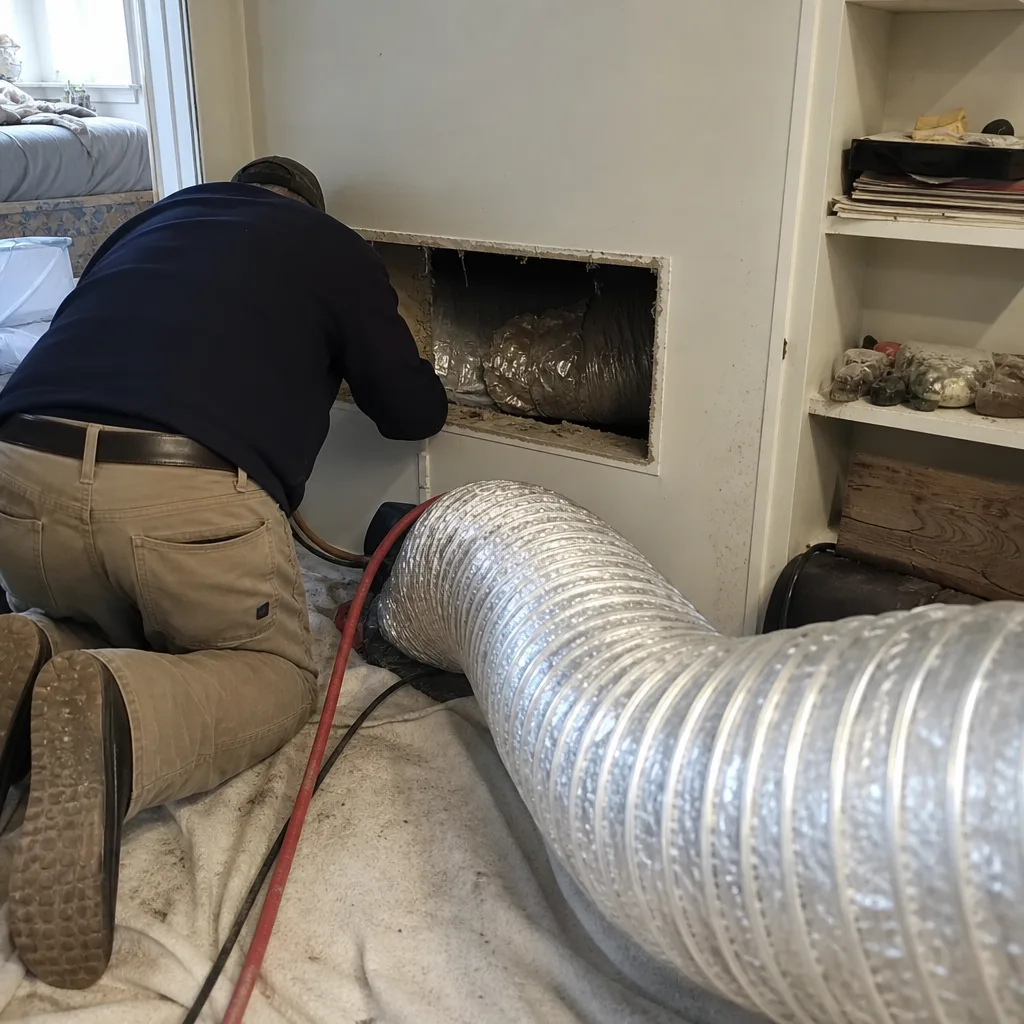 Before
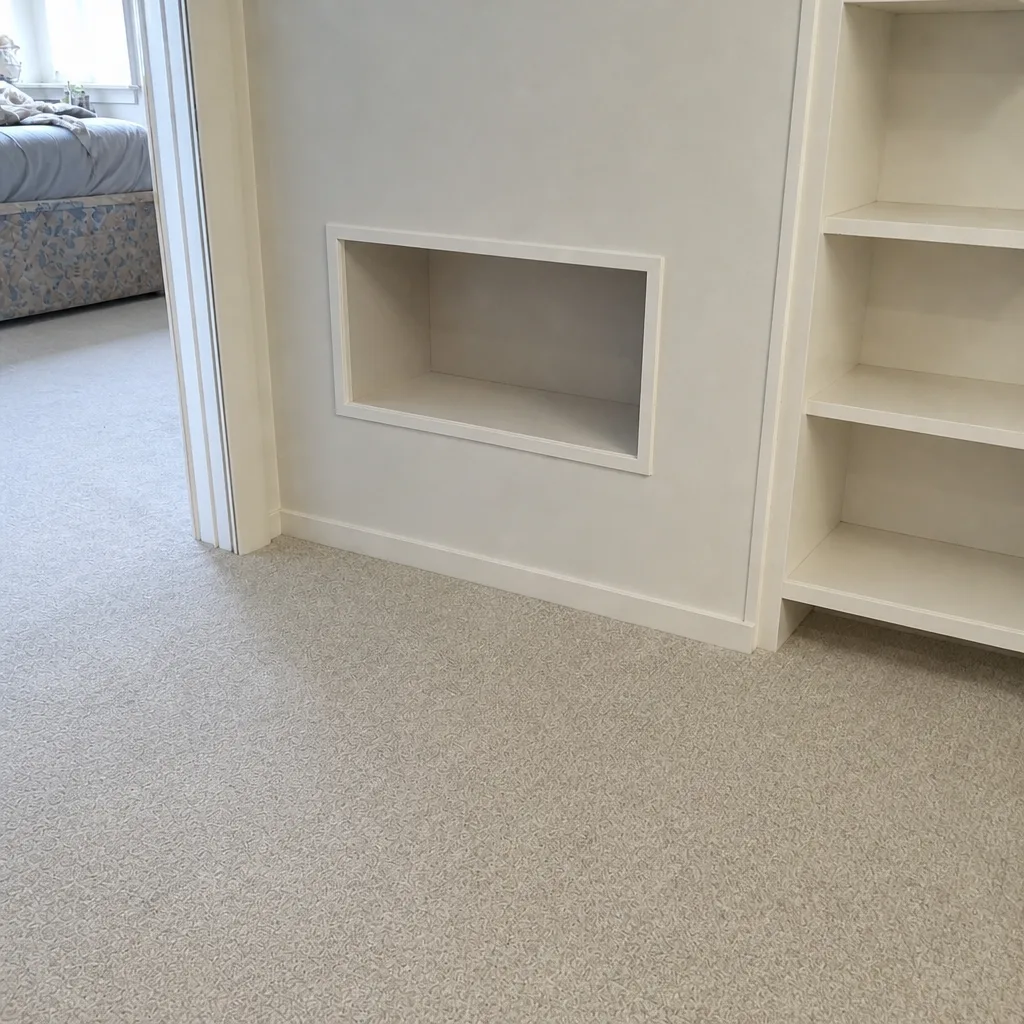 After
When to Call a Professional
Call a professional for duct work after a storm if any of the following is true: water entered the structure at or above the level of the lowest register; your air handler, plenum, or any flex duct shows visible water staining; the system ran during or immediately after the event with a compromised envelope; you smell a musty or damp odor when the HVAC runs; or your insurance company has asked for a professional assessment as part of a claim. If you’re unsure, call for the inspection anyway. A camera inspection is faster than living with a problem for a month, and it’s cheaper than guessing wrong about a cleaning versus a replacement. Duct Cleaning Suffolk offers free estimates in Suffolk, with a written estimate before any work begins. Call (855) 740-0661. We answer 24/7. Fast dispatch from 7am to 7pm, Sunday through Friday.
Frequently Asked Questions
Possibly, yes. Even without floodwater, wind-driven debris, pollen, and insulation fibers can be pulled into the return system during a storm, and a compromised envelope lets unfiltered outdoor air into the ducts. A camera inspection is the fastest way to know whether cleaning is warranted. Call (855) 740-0661 for an exact quote, and estimates are free.
Storm-related duct work prices vary with the size of the system and the extent of contamination, and post-event jobs often include a camera inspection and possible duct repair on top of the base clean. We give a flat price per system, agreed in writing before the work starts, and never a per-vent price. Call (855) 740-0661 for an exact estimate for your Suffolk home, and estimates are free.
You can get close with a few visible clues. Dry-looking duct interiors, dry register housings, and no water line in the crawlspace usually point to cleaning. Damp or heavy-feeling flex duct, a visible water stain on the insulation, musty odor, and rust or condensation at connections usually point to replacement. A camera inspection is what settles it, and that’s a job for a contractor with the equipment. Call (855) 740-0661 to schedule the inspection.
Often yes, but only if the claim is documented correctly. Photos of the water line, filter condition, and a camera inspection report carry the largest weight with adjusters, and the documentation should be collected before any work is performed. We can work with your insurer, though the claim itself stays with you. Call (855) 740-0661 for the inspection and the written assessment the adjuster will need.
You should see before-and-after photographs of your own ducts. Ask for post-cleaning camera images of the same runs photographed in the assessment; a contractor who did a real clean can supply them. If the technician finished without visible documentation, ask before they leave. Call (855) 740-0661 to book a job that produces its own evidence.
Because the cheap quote rarely includes the work that makes a duct cleaning real. A low teaser price often assumes a blow-and-go clean with consumer-grade equipment, no camera inspection, no containment, and no register or blower cleaning. When the technician arrives and finds a saturated run, the price adjusts. We give one flat price per system in writing before work begins, using professional-grade Rotobrush and Nikro equipment, so the quote you accept is the quote you pay. Call (855) 740-0661 for the honest number.
The Bottom Line
Storm preparedness for a Suffolk home is not just a roof and window project. The return air system is a hidden route for outdoor contamination to enter every room, and the 48 hours after a storm are when the decision between a cleaning job and a replacement job gets made. Switch the system off and seal exterior ports before the storm, document everything before touching anything after it, and call for a camera inspection in the first two days. If the ducts were saturated, replace them. If they were only debris-loaded, clean them properly. In both cases, insist on a written estimate, professional containment and vacuum equipment, and before-and-after photos of your own ducts. Our technicians at Duct Cleaning Suffolk have up to 12 years of experience, work with the systems already in your home, and carry the equipment and repair capability to handle a post-storm assessment as a single call. For a wider look at the cleaning process, visit our Duct Cleaning Suffolk main page.
If a storm is on the radar or just passed through, call (855) 740-0661 for a free estimate. We answer 24/7. Fast dispatch from 7am to 7pm, Sunday through Friday.
Written by the team at Duct Cleaning Suffolk.