
Last updated November 15, 2026
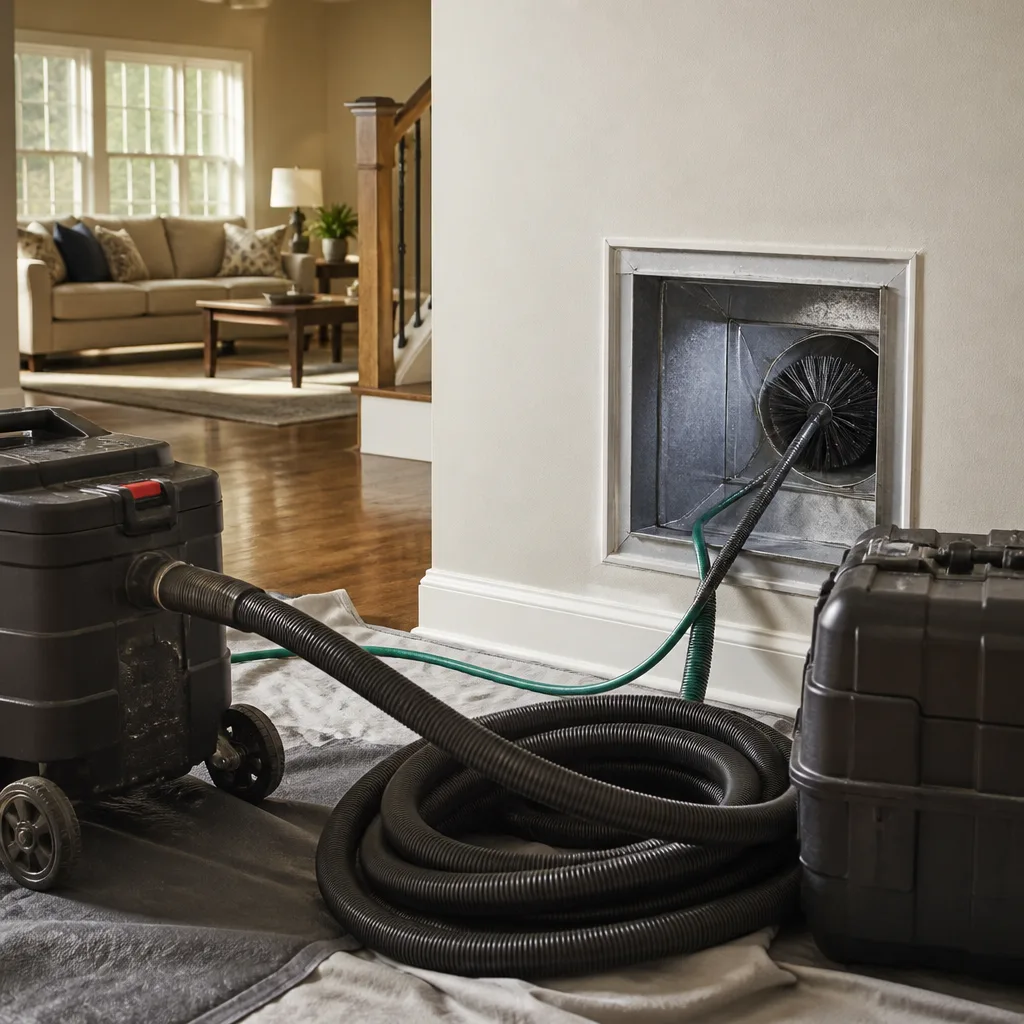 Whole-home duct cleaning
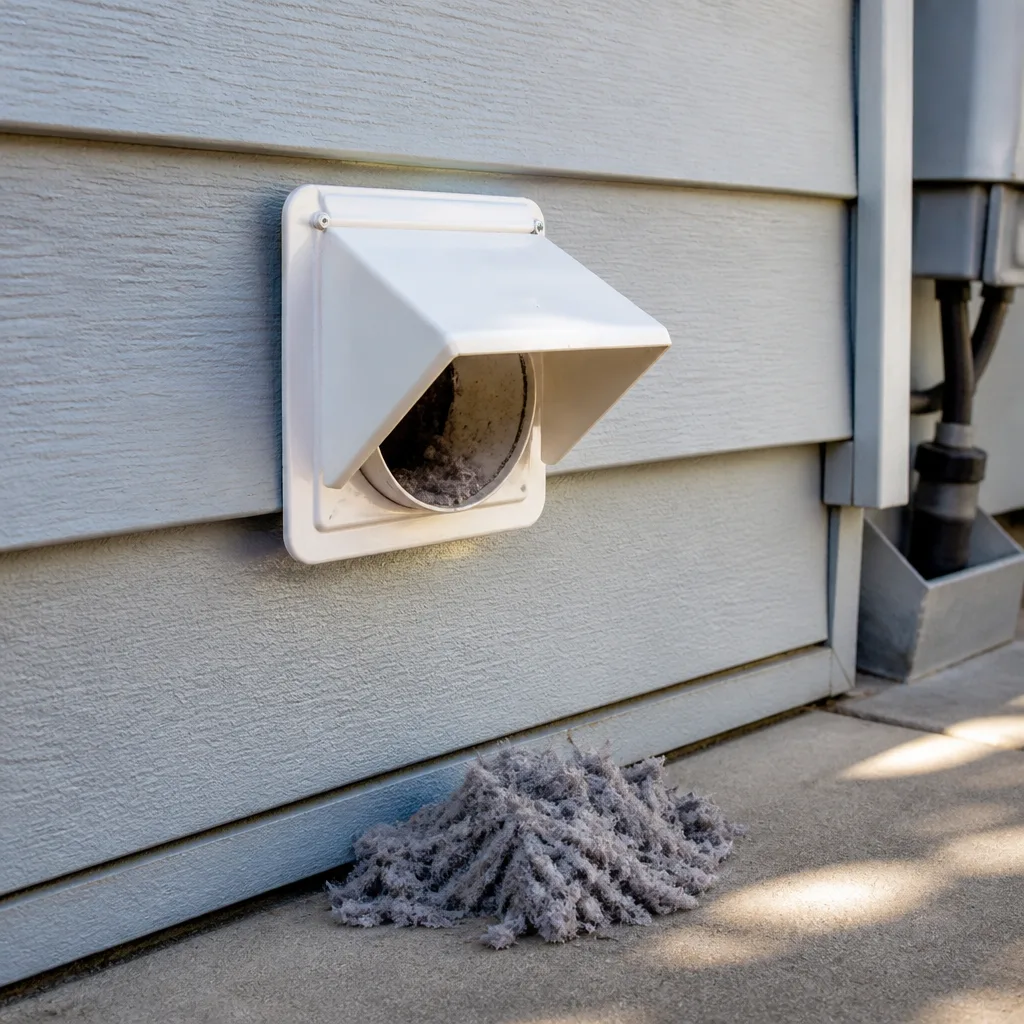 Dryer vent cleaning
 Camera inspection
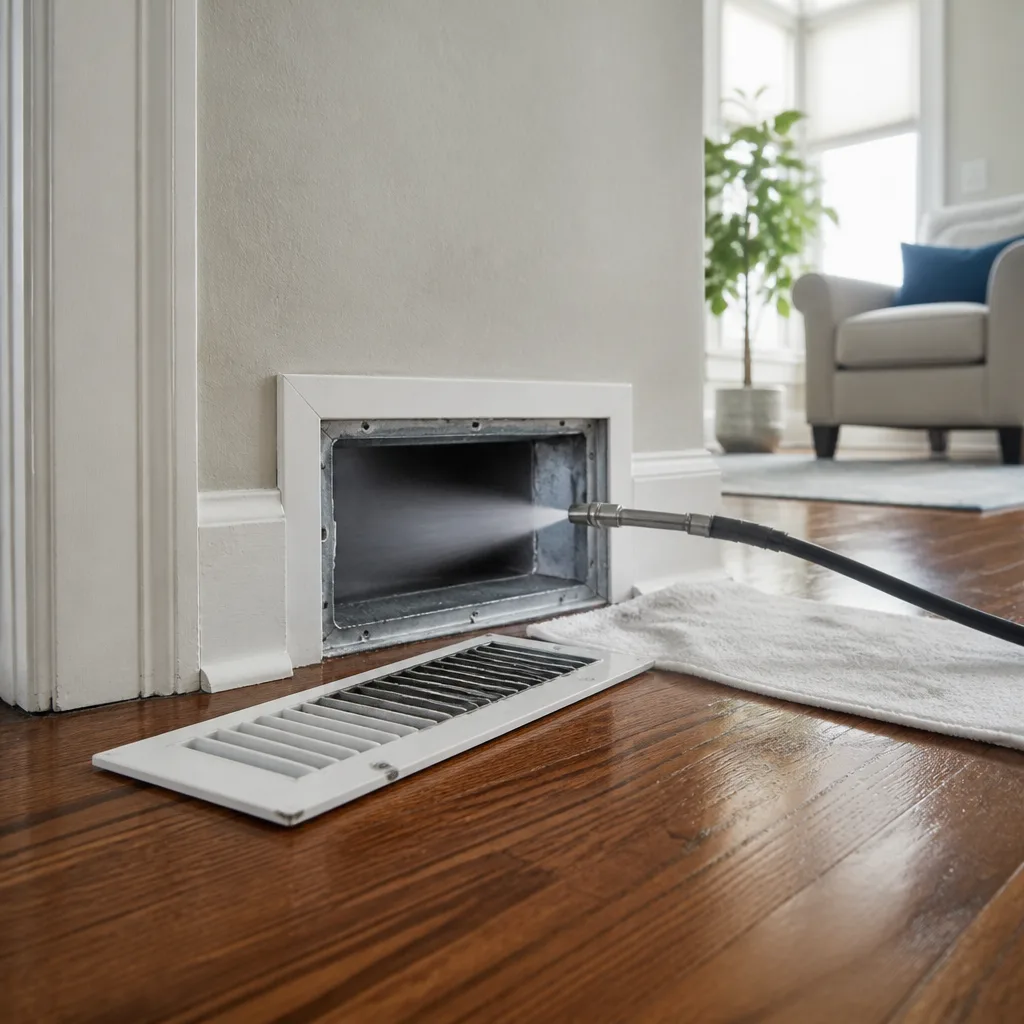 Sanitizing & deodorizing
Whole-system duct and dryer vent check with before-and-after photos - you see exactly what came out of your vents
That "$99 whole-house special" is a bait ad - the real number appears once they are in your hallway, or the "clean" is a shop-vac at the register. We photograph the inside of your ducts before and after instead.
Air Duct Cleaning Permits, Codes & Inspections in Suffolk, VA: What You Need to Know
Here’s the part most homeowners don’t hear: the cleaning itself is almost never the problem. Cleaning is maintenance. It doesn’t need a permit in Virginia, and it shouldn’t. The trouble starts when a technician finds a torn flex run, a crushed section behind a wall cavity, or a joint that’s been leaking since the house was built, and decides to “make it right” on the spot without telling you what that work actually is. That’s mechanical work. It has a paper trail. Or it’s supposed to. Below we walk through where the line sits in Suffolk, what City of Suffolk Building and Development Services cares about, and how to ask the right questions before a job turns into a problem you inherit at resale.
Quick Answer
Air duct cleaning itself does not require a permit in Virginia. Cleaning is maintenance, not construction, and the Virginia Uniform Statewide Building Code does not cover it. But duct repair, modification, extension, or replacement is mechanical work, and depending on scope it may require a building permit from City of Suffolk Building and Development Services. If the work changes the duct system rather than just cleaning it, ask for the permit and get it in writing.
Styles & brands we work with
- Whole-home duct cleaning
- Dryer vent cleaning
- Camera inspection
- Sanitizing & deodorizing
Table of Contents
- Cleaning vs. Repair: Where the Permit Line Actually Sits
- What the Virginia Uniform Statewide Building Code Covers
- When City of Suffolk Building and Development Services Gets Involved
- Duct Sealing: Mastic and Aerosol-Based Work
- How to Ask a Contractor the Right Questions
- What an Inspection Actually Looks At
- Insurance, Moisture, and Resale: Why the Paperwork Matters
- Common Mistakes to Avoid
Cleaning vs. Repair: Where the Permit Line Actually Sits
The confusion comes from treating “duct work” as one thing. It’s not. Cleaning and repair are two different activities under Virginia law, and only one of them is regulated as construction. Getting this straight before anyone shows up at your door is the whole point of the guide.
Cleaning is what happens inside the existing duct system. A technician runs a contact-cleaning tool through the ductwork, pulls debris into a HEPA-filtered vacuum, and leaves the ducts in the condition they were in, minus the buildup. Nothing in the system is added, removed, or reconfigured. No permit. No inspection. This is the same way professionals handle air duct cleaning across the region, and there’s no code requirement that says otherwise.
Repair is different. Repair means the physical duct system changes. That includes:
- Replacing a section of flex duct that’s torn, crushed, or disconnected
- Adding a new supply or return run
- Sealing duct joints with mastic or aerosol-based systems in a way that changes the system’s measurable characteristics
- Rerouting ductwork to fix airflow imbalances
- Repairing or replacing duct board in unconditioned spaces
Each of those touches the mechanical system. Under Virginia’s building code, mechanical alterations generally fall under regulated scope, and the building official is the person who decides whether your specific job needs a permit. Not the contractor. Not you. The AHJ, or authority having jurisdiction. In Suffolk, that’s City of Suffolk Building and Development Services.
Here’s the practical version for a Suffolk homeowner: if a company hands you a cleaning quote and then, on the day of the job, adds a duct repair to the ticket without asking you first, you need to slow down and ask whether the repair is permit-required. If they don’t know the answer, that’s information.
What the Virginia Uniform Statewide Building Code Covers
Virginia’s building code is statewide, but enforcement is local. That’s the core fact to understand. The Virginia Uniform Statewide Building Code sets the requirements; each locality’s building department applies them within its boundaries. Suffolk administers its own program through Building and Development Services, and the same code that governs a mechanical permit in Virginia Beach governs one in Suffolk. The process and the reviewing authority are what differ.
What the code cares about with ductwork is mechanical system integrity: sizing, material, supports, clearances, connection to the appliance, and whether the system as designed will actually deliver the airflow and combustion safety the equipment needs. That’s why a permit exists for duct work that changes the system. A permit triggers an inspection. The inspection verifies the work matches what was approved.
What the code does not care about is the interior cleanliness of your existing ducts. There is no statewide requirement to clean ducts, no mandated cleaning interval, and no inspection that verifies they’re clean. Cleaning is voluntary maintenance, like changing a filter. It matters for the air you breathe and for the life of your equipment, but it isn’t a code event.
Two things worth saying plainly:
- Cleaning alone = no permit. Any company that tells you otherwise is confused or selling you something.
- Repair that alters the system = a permit conversation. Get the building department’s answer in writing before work starts.
The best time to sort this out is before a technician is standing in your hallway. If you don’t yet have a company lined up, our Duct Cleaning Suffolk page outlines how the three core services are scoped, and where a repair ends and a cleaning begins.
When City of Suffolk Building and Development Services Gets Involved
City of Suffolk Building and Development Services is the authority that reviews and inspects permitted mechanical work in the city. If your duct repair is permit-required, that’s the office that receives the application, issues the permit, and inspects the completed work. The contractor typically pulls the permit; the homeowner is usually named on it because the homeowner is the property owner of record.
The situations that most often trigger a permit conversation with a Suffolk homeowner:
- Replacing a run of ductwork in a way the code reviewer considers an alteration. Adding square footage to a system changes load calculations. That’s the kind of thing an inspector verifies.
- Reconnecting ductwork that’s been disconnected or found disconnected during a cleaning. If a run needs new material and new connections, the question of permit scope comes up.
- Rerouting a duct to fix a hot or cold room. Changing the path of a run is a system change.
- Ductwork associated with an equipment swap. If a new air handler or furnace is going in, duct connections are part of the mechanical scope.
- Ductboard replacement in an unconditioned attic or crawlspace. Material replacement raises questions about installation methods.
Not all of these require a permit. Some do. The answer depends on the specific job, which is exactly why the honest answer to “do I need a permit?” is “it depends, and here’s whose call it is.” Building and Development Services makes that call. A contractor who tells you what the building official will decide, with confidence, without checking, is telling you what they hope is true.
One Suffolk-specific detail worth knowing: storm and moisture events in this area often put ductwork in an unconditioned crawlspace or attic in harm’s way. When a cleaning uncovers moisture damage or a disconnect, the repair scope tends to be bigger than a simple reconnect. That’s the moment when the permit question becomes live.
Duct Sealing: Mastic and Aerosol-Based Work
Duct sealing is the grayest area in this whole conversation, and it deserves its own section because it’s where homeowners most often get surprised. Sealing is not cleaning. Sealing changes the system’s leakage characteristics and, depending on how it’s done, may be reviewed as mechanical work that alters the system.
Two common sealing methods:
- Mastic sealing. A technician brushes or sprays mastic onto duct joints and seams to close leakage. Conventional jobs of this kind are generally treated as maintenance when the sealant is applied at accessible joints without altering the ducts themselves.
- Aerosol-based sealing. A sealant is introduced into the duct system as a fog and deposits on the interior at leaks. This is a more involved process with more claim behind it, and whether it falls under permitted mechanical work in a given locality is a legitimate question to put to the building department.
We work with professional-grade equipment, including Rotobrush contact-cleaning systems and Nikro high-powered vacuum units, and when a job calls for containment, we use Abatement Technologies negative-air equipment so debris stays where it belongs. That’s the equipment side. The permit side is separate and always comes down to scope.
If a contractor proposes aerosol-based sealing on your Suffolk home, ask these questions:
- Is this considered a mechanical alteration in the City of Suffolk?
- Does the job require a permit, and if not, on what basis?
- Will the work be inspected, and by whom?
- What documentation will I receive showing the work and results?
- Does this affect my homeowner’s insurance?
A company that can answer those cleanly is a company that knows the difference between maintenance and mechanical scope. A company that waves them off is a company you want to keep asking.
How to Ask a Contractor the Right Questions
The single most useful habit a Suffolk homeowner can build is asking directly, before work begins: “Is any of what you’re proposing permit-required under the Virginia Uniform Statewide Building Code?” Here’s how to structure the conversation so you get a real answer rather than a rehearsed one.
The five questions to ask before the job:
- What exactly will you do, and will any part of it alter the duct system? Get this in the written estimate. Cleaning and repair should be itemized separately.
- Does any part of that work require a permit from City of Suffolk Building and Development Services? If yes, ask who pulls it and what the inspection covers.
- If you conclude no permit is needed, what’s the basis? “We do this all the time” is not a basis. “This is a maintenance cleaning with no system alteration” is.
- Will I see before-and-after photographs of the specific ducts you cleaned? This is how you verify the job was done. It also documents the condition of the system for your own records.
- Will you put your conclusions in writing on the estimate or invoice? Anyone can say “no permit needed” over the phone. A written statement on the estimate is different.
This is where the industry’s reputation problem shows up. Low coupon pricing that becomes a much larger invoice once the technician is on site is the classic move, and duct “repairs” added to cleaning tickets without a written agreement are one way that invoice grows. Our position is simple: one flat price per system, agreed before work starts, no per-vent pricing, and before-and-after photos of your own ducts. If the job grows, the written estimate grows first. That’s not a policy we consider generous. It’s how a scope that may need a permit can be discussed honestly in the first place.
Our technicians have up to 12 years of experience, and the questions above come from what those years actually look like in the field. A contractor who knows the code answers them without blinking.
What an Inspection Actually Looks At
A mechanical inspection for duct work is not a general home inspection. It’s focused. The inspector is there to verify that the work as installed matches the permit as issued, and to look at the details that affect safety and function. Knowing what they check helps you understand why some repair jobs need a permit and others don’t.
Typically, the inspection covers:
- Material. Duct material matches the approved scope and is installed per manufacturer instructions.
- Supports and clearances. Ducts are supported properly, are clear of obstructions, and maintain the clearances the code requires, especially near heat sources.
- Connections. Joints, seams, and connections at the air handler and at registers are secure and properly sealed.
- Combustion safety. When duct work is associated with fuel-burning equipment, the inspector verifies the system doesn’t create a backdraft condition.
- Access. Where the code requires access panels or similar, they’re present and functional.
An inspection like this is a genuine value-add for a homeowner who’s paying for a repair. It’s a second set of trained eyes verifying the work. If the repair is small and labeled as maintenance, there’s no inspection, and the homeowner relies on the contractor’s own standard of work. Both situations can be fine. What shouldn’t happen is “maintenance” being the label that avoids an inspection the job actually needed.
Insurance, Moisture, and Resale: Why the Paperwork Matters
Here’s the part of this conversation that gets skipped, and it’s the part with the real financial teeth. Unpermitted HVAC modifications can surface in two places: a homeowner’s insurance claim and a real estate transaction. Both are worse than pulling a permit would have been.
On an insurance claim: Insurers ask for documentation of the work performed when a claim involves the affected system. If a duct repair was done without a permit and without documentation of the scope, and a later moisture event or storm damage exposes the earlier work, the insurer may question whether the work was to code, which can complicate a claim on the system. That’s not a hypothetical; it’s the standard logic insurers apply. Suffolk’s storm and moisture patterns put ductwork in unconditioned crawlspaces at real risk, and a prior undocumented repair is exactly the kind of thing an adjuster will want to understand. Get the paperwork. Keep it with the system’s records.
On resale: Virginia real estate transactions typically include a disclosure about any unpermitted work, and a home inspector will flag a mechanical alteration that isn’t documented. That flags your sale. A buyer’s agent will ask for the permit, the inspection report, and the contractor’s written scope. If any of those don’t exist, you’re negotiating against a defect you didn’t create. A few hundred dollars of permit paperwork is on the wrong side of that comparison by a wide margin.
Neither risk is dramatic in the moment. That’s exactly why they get missed. The repair looks fine. The system runs. Nothing fails. Then a claim or a closing brings the paperwork question up, and the answer is “it wasn’t documented.”
Common Mistakes to Avoid
- Assuming duct cleaning needs a permit. It doesn’t. Cleaning is maintenance, and a company that tells you it needs one is either confused or upselling. The permit question is about repair, not cleaning.
- Letting a “minor repair” happen without asking about scope. A technician who patches a disconnected run on the spot without discussing it first has decided the permit question for you. Get the repair itemized before work starts, even when it looks small.
- Accepting a verbal “no permit needed.” Ask for the basis in writing on the estimate. If no permit is required, the estimate should say why, and if the scope changes, that should be discussed before the work proceeds.
- Throwing away the estimate and invoice. Keep the documented scope, before-and-after photos, and any permit paperwork with your home records. They matter at claim time and at resale.
- Skipping the permit to save time. A mechanical permit is often a fast review. The downside of skipping it is a resale or insurance complication that takes months to resolve and can cost far more than the permit.
- Choosing the lowest quote without asking what’s in it. A per-vent price with no written scope, no photos, and no statement on permits is not a comparable quote. Compare the scope, not the number.
- Treating the permit as the contractor’s problem alone. The permit is usually pulled by the contractor, but the property owner of record is on it. Understand what’s being filed on your property before the work begins.
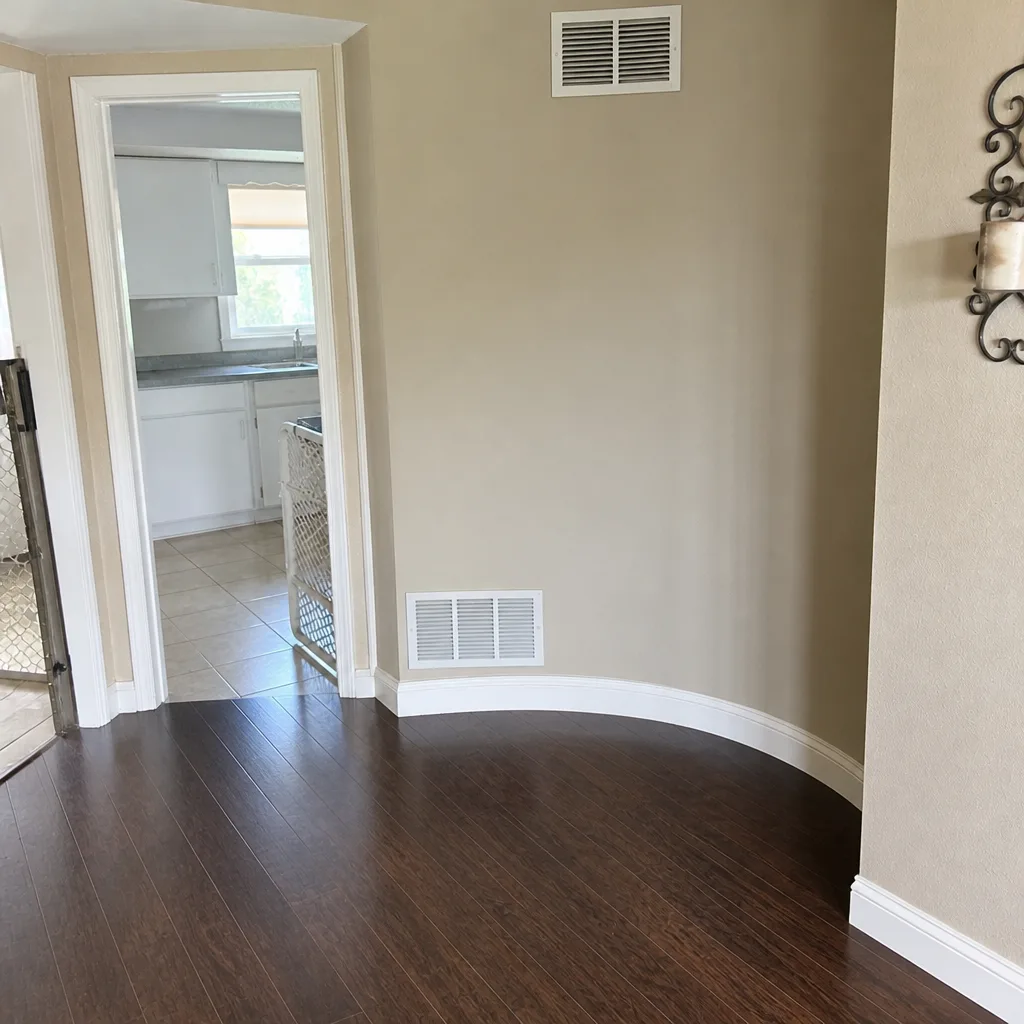
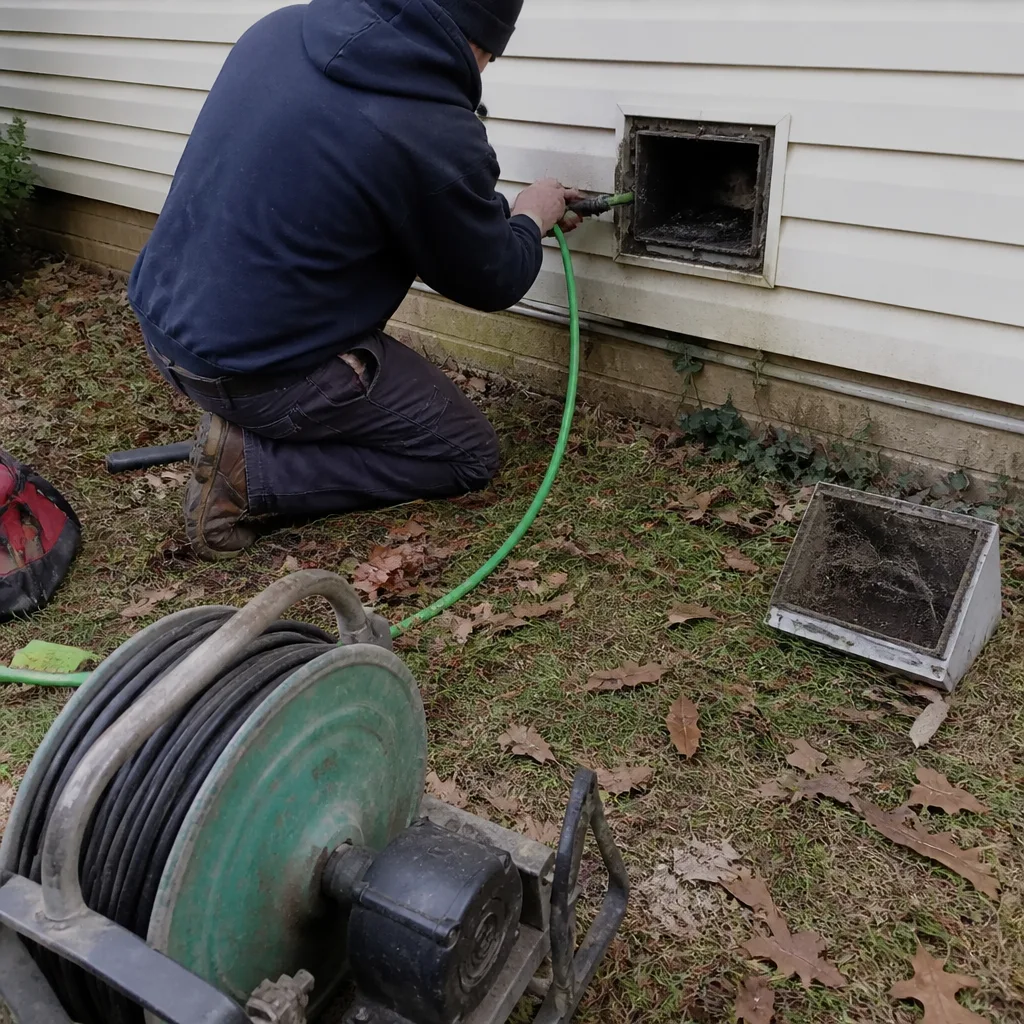
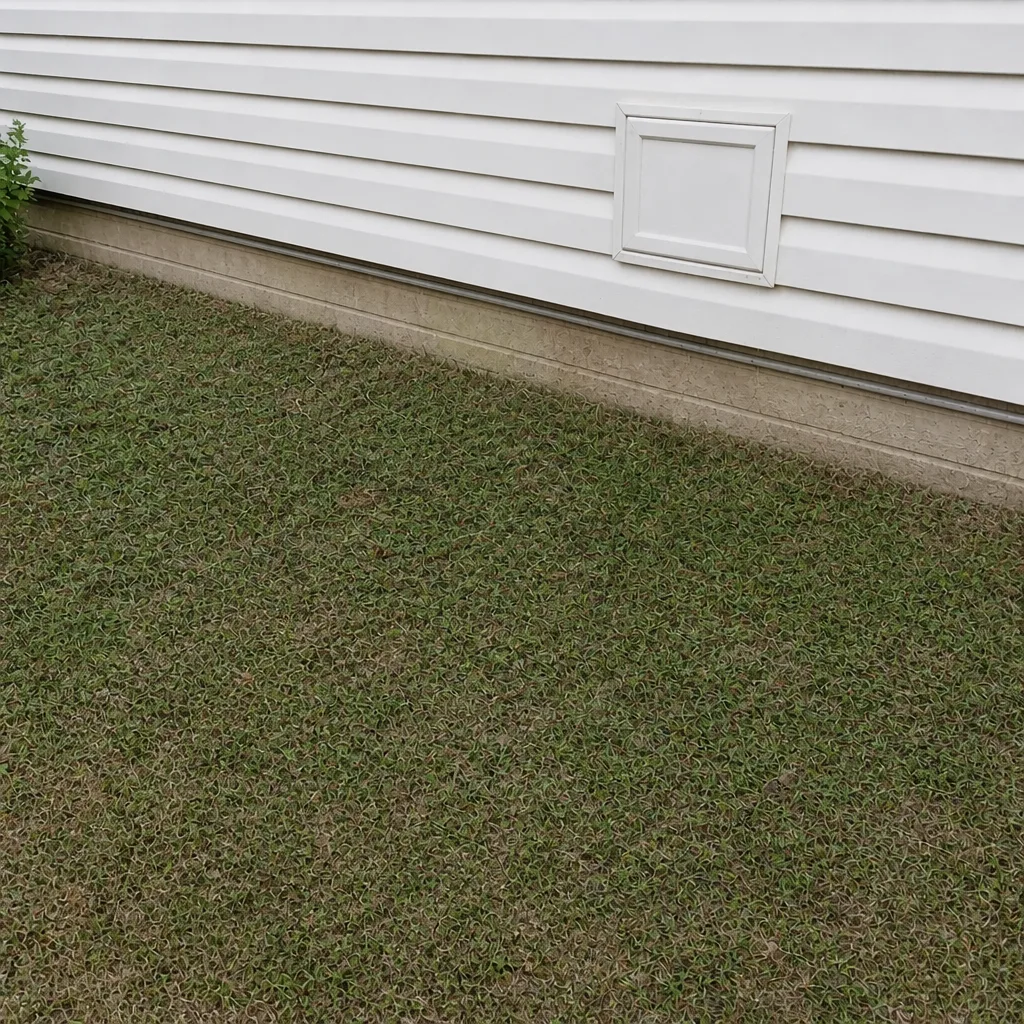
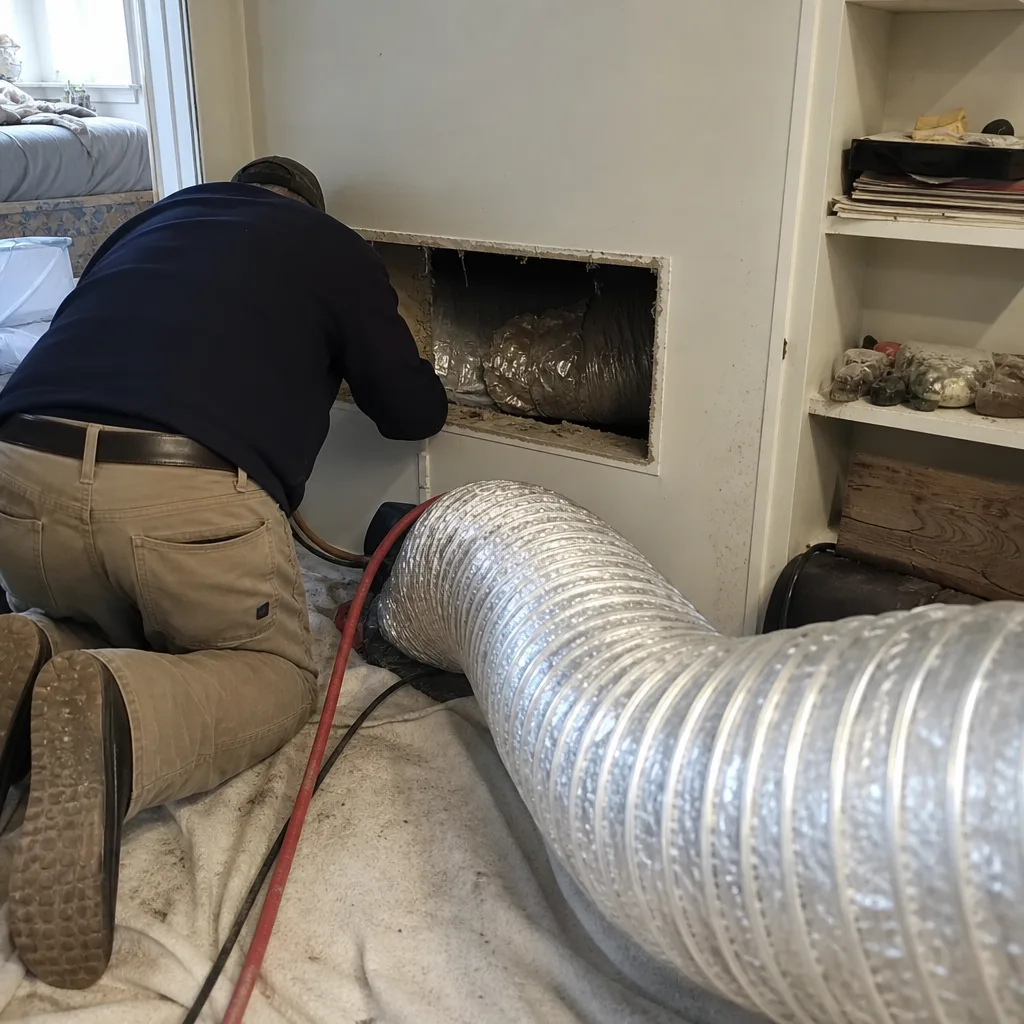
See the difference
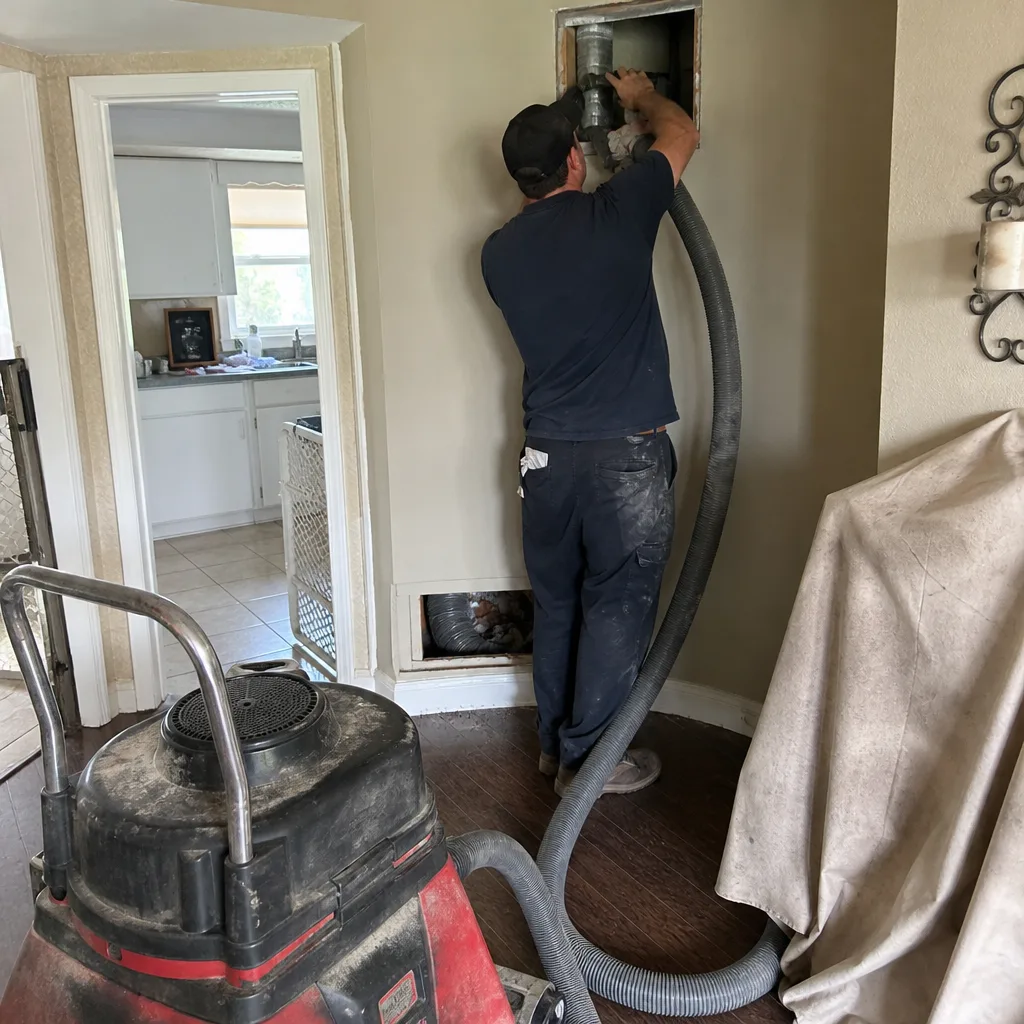 Before
 After
 Before
 After
 Before
 After
When to Call a Professional
If a cleaning during a routine service uncovers a disconnected or collapsed duct run, a crushed flex section, or moisture-damaged ductboard, you’re past the cleaning stage and into repair scope. That’s the moment to pause and get a written assessment before any work proceeds, because repair is exactly the category of work that can carry a permit requirement. The same applies if you’re seeing persistent airflow problems in one part of the house, a hot or cold room that no filter change has fixed, or a system that has never been inspected. A professional assessment clarifies the scope and identifies what, if anything, needs building department involvement. Duct Cleaning Suffolk offers free estimates in Suffolk. Call (855) 740-0661. We answer 24/7. Fast dispatch from 7am to 7pm, Sunday through Friday.
Frequently Asked Questions
No. Air duct cleaning does not require a permit in Suffolk, Virginia. Cleaning is maintenance, not construction, and the Virginia Uniform Statewide Building Code does not cover it. If a company proposes a cleaning and then adds a repair to the ticket, that changed scope is the part to ask about. Call (855) 740-0661 for a free estimate on a cleaning scope with no added work attached.
Duct repair that changes the mechanical system may need a permit, and the specific call is made by City of Suffolk Building and Development Services. Replacing a duct run, adding a supply or return, rerouting ductwork, or replacing ductboard in an unconditioned space are typical scenarios where the permit question is live. A contractor who tells you no permit is needed should be able to explain why in writing. Call (855) 740-0661 to talk through a specific scope before the work is scheduled.
Yes. Duct sealing changes the system’s leakage characteristics, and that makes it a different category from cleaning. Mastic sealing applied at accessible joints is usually treated as maintenance, while aerosol-based sealing is a more involved process whose permit status is worth confirming with the building department in your locality. Ask the contractor which category the work falls into before it starts. Call (855) 740-0661 for a free estimate that itemizes the scope.
A company can reconnect or repair ductwork during a scheduled cleaning, but the repair is separate from the cleaning and should be discussed, scoped, and priced before it happens. If a technician finds a collapsed run mid-job and starts patching without telling you, stop and ask two questions: what exactly are you doing, and does any part of this need a permit? The answer should come in writing. Call (855) 740-0661 for a free estimate scoped as a single flat price per system before work begins.
Keep four things: the written estimate with the itemized scope, before-and-after photos of your ducts, any permit paperwork or inspection report if one was required, and the final invoice. These documents matter if a future insurance claim touches the system and again at resale, when an inspector or buyer’s agent asks for proof the work was done properly. A company that doesn’t provide them as a matter of course is telling you something. Call (855) 740-0661 for a free estimate that comes with documented scope and photos as standard.
It can. Insurers ask for documentation of work on affected systems when a claim touches that system, and a real estate transaction typically includes a disclosure about unpermitted work. A mechanical alteration that isn’t documented can complicate both. The fix is straightforward: get the permit if one is required, and keep the paperwork either way. If you’re not sure whether prior duct work on your property was permitted, that’s worth sorting out now rather than at closing. For a dryer vent cleaning or duct assessment with documented scope, call (855) 740-0661 for a free estimate.
The Bottom Line
Cleaning and repair are two different activities, and only one of them is a code event. Cleaning your ducts in Suffolk doesn’t require a permit, and it shouldn’t. Duct repair that alters the mechanical system may require a permit from City of Suffolk Building and Development Services, and whether it does is the building official’s call, not the contractor’s. The whole point of this guide is the habit behind the fact: ask the question, get the answer in writing, and keep the paperwork. A written scope, a flat price per system agreed before work begins, before-and-after photos, and a clear statement on permit requirements separate a professional job from one you inherit later. The duct system you can’t see deserves the same documented approach as the parts of your house you can.
Ready to get it sorted? Our teams use professional-grade equipment including Rotobrush, Nikro, and Abatement Technologies systems, and we work with Honeywell and Aprilaire equipment already installed in your home. Call (855) 740-0661 for a free estimate. We answer 24/7. Fast dispatch from 7am to 7pm, Sunday through Friday.
Written by the team at Duct Cleaning Suffolk.