
Last updated November 15, 2026
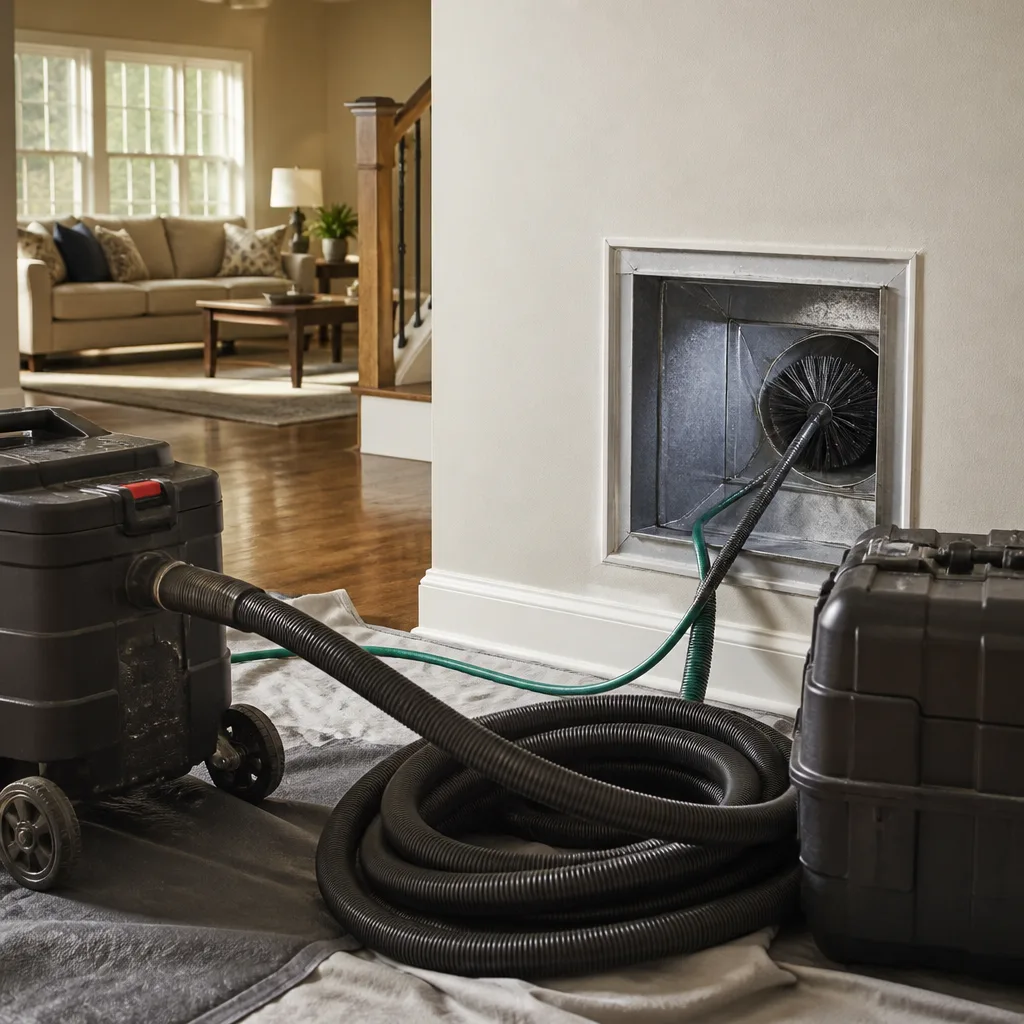 Whole-home duct cleaning
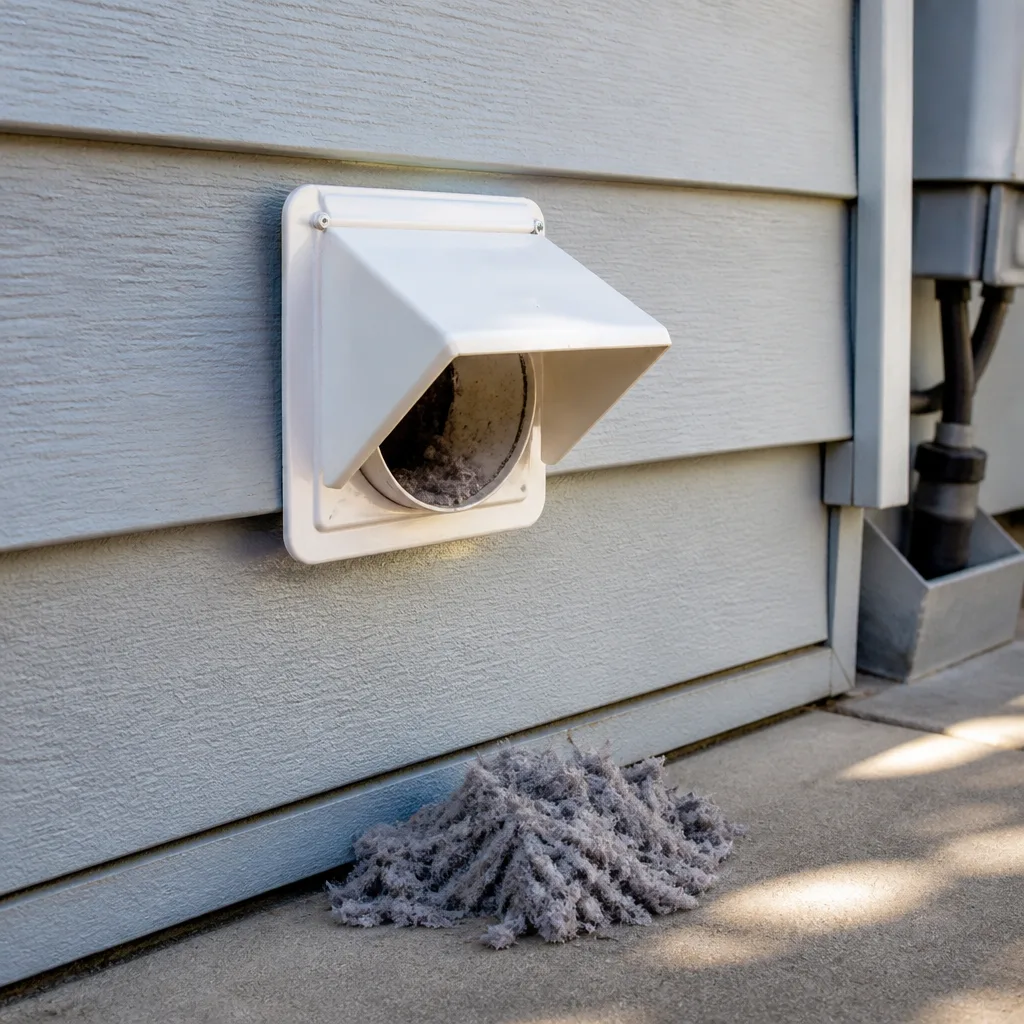 Dryer vent cleaning
 Camera inspection
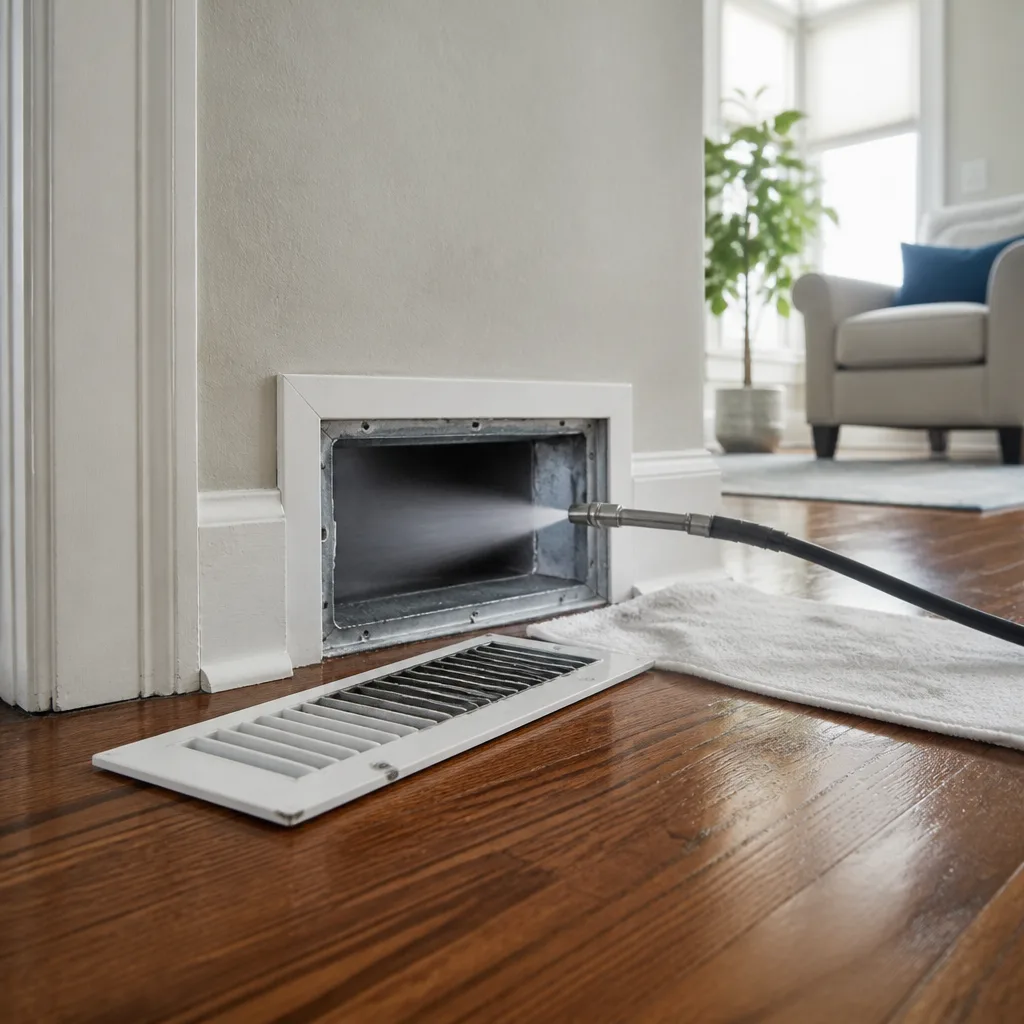 Sanitizing & deodorizing
Whole-system duct and dryer vent check with before-and-after photos - you see exactly what came out of your vents
That "$99 whole-house special" is a bait ad - the real number appears once they are in your hallway, or the "clean" is a shop-vac at the register. We photograph the inside of your ducts before and after instead.
Air Duct Cleaning Warning Signs: A Suffolk Homeowner’s Reference Guide
Dust on your supply registers right after you change the filter usually isn’t a duct cleaning problem at all. It’s often a return-side leak pulling unfiltered air into the system after the filter. That single distinction explains why so many Suffolk homeowners call for a cleaning they don’t need, while the real fix – sealing a gap in the return – goes unaddressed. Most warning-sign articles hand you a list of symptoms and stop there. This guide goes further. For each symptom, we’ll show you the probable cause inside the duct system and what a technician actually looks for to confirm it before recommending any work.
Quick Answer
The signs that genuinely point to duct cleaning in Suffolk, VA are a musty odor that persists after 30 minutes of AC runtime, visible debris blowing from supply registers, and heavy dust buildup around the air handler cabinet. Many other symptoms homeowners worry about – uneven room temperatures, a little dust on registers, a musty smell on first startup – usually trace back to duct leaks, balancing problems, or harmless seasonal moisture rather than dirty ducts. Diagnosing the cause first is what separates a necessary cleaning from an unnecessary one.
Styles & brands we work with
- Whole-home duct cleaning
- Dryer vent cleaning
- Camera inspection
- Sanitizing & deodorizing
Table of Contents
- Symptom vs. Cause: The Three Problems That Look Alike
- Filter Bypass: When the Problem Is a Leak, Not Dirt
- Biological Growth: A Moisture Problem Dressed as a Dirt Problem
- The Suffolk Musty Odor Test: Benign vs. Persistent
- Uneven Room Temperatures: Cleaning vs. Balancing vs. Leakage
- What Dander, Construction Debris, and Mold Actually Look Like Inside Ducts
- Dryer Vent Warning Signs Most Homeowners Miss
- When the Symptom Points to Duct Damage, Not Contamination
Symptom vs. Cause: The Three Problems That Look Alike
Three separate problems inside a duct system produce overlapping symptoms: simple debris buildup, filter bypass from a duct sealing issue, and biological growth from a moisture issue. The symptoms – dust, odor, airflow complaints – look almost identical from the outside. The fixes are completely different. Debris buildup needs cleaning. Filter bypass needs sealing. Biological growth needs the moisture source addressed first, or you clean it and it comes right back.
This is why a technician asks questions before quoting anything. The diagnostic sequence usually runs like this:
- Confirm the filter is seated and sized correctly. A filter that doesn’t seal at every edge lets unfiltered air bypass it entirely, so the evaporator coil and downstream ducts collect dust that should have been caught.
- Inspect the return side for gaps. Return ducts run at negative pressure, which means any gap pulls attic or crawlspace air into the system instead of out of it.
- Check for moisture before checking for dirt. If there’s any sign of condensation, high humidity in the cabinet, or past water intrusion, biological growth is on the table and cleaning alone won’t hold.
- Sample the debris. Dust color and texture tell you what it is – household dust, construction debris, dander, or microbial growth.
When we send a technician out in Suffolk, this sequence is the whole visit. Professional-grade extraction with Rotobrush contact cleaning and Nikro vacuum units comes after diagnosis, not before it. Cleaning a system that has a bypass leak just means you’ll be back at the same starting point next year.
Filter Bypass: When the Problem Is a Leak, Not Dirt
Filter bypass is a duct sealing issue, not a cleaning issue. The filter sits in a slot or frame, and if any edge has a gap – a filter a hair too small, a rack bent out of square, a slot with no gasket – the blower pulls air around the filter instead of through it. Everything downstream of that gap gets coated in exactly the dust the filter was supposed to catch. You change the filter religiously and the ducts keep getting dirty.
What a technician looks for to confirm filter bypass:
- Streaks of dust fanning out from one corner or edge of the filter slot
- Dust concentrated on the evaporator coil and the first few feet of supply plenum rather than evenly distributed through the whole system
- A filter that slides loosely in the rack or that you can see daylight past
- Dust patterns on the blower wheel indicating air was moving around the filter media
- Cabinet seams with separating tape or gaps where the return box meets the air handler
If bypass is the cause, cleaning the ducts without fixing the seal is wasted money. The correct fix is sealing the filter rack, installing a gasketed frame, or resizing the filter slot to match the media. In older Suffolk homes, ductwork retrofitted into spaces that weren’t designed for it is where we see this most – return boxes built on-site from sheet metal with seams that have drifted open over time. Any HVAC contractor can reseal a filter rack; the point is knowing to look for it before authorizing a cleaning.
Biological Growth: A Moisture Problem Dressed as a Dirt Problem
Biological growth inside ducts is a moisture problem first and a cleaning problem second. If the system has a moisture source – a coil that doesn’t drain, a cabinet with condensation, a humid summer dragging humidity into a return that runs through a vented crawlspace – then mold and mildew colonize the duct lining and dust deposits. A cleaning removes the growth; if the moisture stays, it returns.
Signs that point to biological growth rather than plain dust:
- A musty, earthy, or wet-basement smell rather than a dusty or smoky one
- Odor that intensifies when the AC runs and fades when it’s off
- Visible dark spotting or mottled stains on duct interior surfaces (a technician scopes this; you’ll see it in the photos)
- Staining or water lines on the air handler cabinet or on flex duct near the coil
- Anyone in the household reporting allergy or asthma symptoms that clearly worsen when the system runs
The moisture has to be found and corrected before growth comes back. That means checking the condensate drain for clogs or sitting water, verifying the coil pan drains completely, and looking at whether the return duct runs through an unconditioned space where condensation can form on cool surfaces. In Suffolk, where summers run humid and crawlspaces stay damp, this check matters more than it does in a dry climate. Once the source is corrected, cleaning with the right containment matters – Abatement Technologies negative-air equipment catches the debris and airborne spores at the work area instead of pushing them into living space.
The Suffolk Musty Odor Test: Benign vs. Persistent
Musty odor on the first AC startup after winter is common in Suffolk and often benign. The system has been dormant for months, the coil and drain pan have been sitting through a damp spring, and the first cool blast kicks up a little stale, damp smell from the cabinet and the first section of supply duct. It usually fades within a few minutes once air has moved through and the coil is running dry. That startup smell alone doesn’t justify a cleaning.
Musty odor that persists after 30 minutes of AC runtime is a different signal. Once the system has been running for half an hour, the air has cycled through the whole house several times and the coil is doing its job. If the smell is still there – or if it gets stronger the longer the AC runs – the source is not a startup puff. It’s moisture or growth inside the system, and it’s worth having someone look.
A practical test any Suffolk homeowner can run before calling:
- Note the weather the night before. A damp spring night with the windows open loads the house with humidity; a startup smell the next day is expected.
- Run the AC for a full 30 minutes, all doors open, fans on auto.
- Walk to a supply register and smell the airflow. If it’s still musty or wet-smelling at the register after 30 minutes, that’s a real signal, not a startup artifact.
- Check whether the smell is strongest in one area. A single room with persistent mustiness usually points to a locally compromised run of duct – a section that got wet during a past leak, for example – rather than the whole system.
If the odor is persistent and localized, have the duct run scoped before authorizing a whole-house cleaning. Sometimes a single damaged section needs replacing, not a full-house clean.
Uneven Room Temperatures: Cleaning vs. Balancing vs. Leakage
Uneven room temperatures are more often a duct balancing or leakage issue than a cleaning issue. Cleaning actually resolves airflow problems in only one narrow case: when the duct cross-section has been measurably narrowed by debris (rare in a well-maintained residential system) or when a return grille is blocked by accumulated dust. In every other case, a cold room upstairs is a duct sizing, damper position, or leakage problem and cleaning won’t fix it.
What a technician checks, in order:
- Static pressure. If supply and return static pressures show the blower is working against a restriction, you have a real restriction. If static pressure is normal, the ducts aren’t the problem.
- Damper positions. A branch damper half-closed feeding a room that later got more use is the most common single cause of uneven temperature in a two-story Suffolk home.
- Duct leakage. A run of flex duct with a disconnected collar or a tear in the outer jacket leaks conditioned air into the attic before it ever reaches the room. Airflow at the register drops; the room gets hot; the system runs longer; nothing in that chain is a cleaning problem.
- Register and grille blockage. Heavy dust can reduce effective grille area in a return, which does respond to cleaning. This is the airflow symptom cleaning actually fixes.
If a contractor shows up, quotes a cleaning, and doesn’t check static pressure or walk the attic, the diagnosis is a guess. A cleaning recommended for an airflow complaint without a static pressure reading or a leak inspection is worth a second opinion. For more on how a proper cleaning should be scoped, see our air duct cleaning page.
What Dander, Construction Debris, and Mold Actually Look Like Inside Ducts
Debris color and texture tell you a lot about what’s inside. Here’s a visual reference you can use to interpret what shows up on a scope session or in a technician’s before-and-after photos.
Pet dander accumulation
Dander coats surfaces as a pale, grayish-yellow film with a slightly waxy feel. It clings to the metal and to the flex duct liner with a uniform, almost fuzzy appearance rather than sitting in piles. It’s usually heaviest on the return side and on the blower side of the coil, which is where airborne dander first lands. In a home with one or two pets, dander is often the dominant material in the duct and produces no dramatic visible symptom other than general dustiness. Cleaning helps, but dander builds back – the honest answer is that pet owners who want ducts clean need it more frequently than homes without pets.
Construction debris
Construction debris is angular. Drywall dust is a fine white powder; drywall chunks are irregular flat pieces with taped edges. Sawdust is recognizable by smell and grain. Sheetrock grit is heavy enough to collect in low points in flex duct or in the first elbow. This is the one debris type where a cleaning is almost always warranted, and the most common setting where we see it is a recently finished basement or a renovated space where returns were open during framing and drywall. If your ductwork was exposed to drywall work, clean before you run the system for the season, not after.
Mold colonization
Mold colonization inside ducts shows up as patchy dark spotting – dark gray, green, or black – with an irregular, mottled edge, often clustered where condensation forms or where a water source was nearby. It differs from dander by color and by surface: dander films across; mold spots and spreads from a moisture-driven center. It also smells like mildew rather than dust. Any visible microbial spotting is a moisture problem first, a cleaning problem second, and should be looked at by someone who will address the source.
Professional equipment makes the difference here. Contact cleaning with a Rotobrush system loosens and captures buildup against brush and vacuum simultaneously; a high-powered Nikro vacuum pulls it from the trunk line; and Abatement negative-air containment stops the loosened material from being pushed into the house. In a Suffolk home where an invested homeowner has a Honeywell or Aprilaire filtration system installed, our technicians also know how those systems are set up so cleaning doesn’t disturb the filtration setup.
Dryer Vent Warning Signs Most Homeowners Miss
Dryer vent warning signs get missed because homeowners aren’t looking for them, and nobody inspects the vent as routine maintenance. The signs are subtle but they’re there:
- Drying times creeping up. If loads that once finished in 40 minutes now take 60 or 70, and nothing about the dryer or laundry habits has changed, the vent is restricted. A dryer running longer is running hotter on the inside, and lint buildup is a fire risk most homeowners have never thought about.
- The exterior vent flap doesn’t open fully when the dryer runs. Walk outside during a cycle and watch the flap. It should swing open fully and stay open. If it only cracks or flutters, the vent line is restricted.
- Lint around the base of the dryer cabinet. Any lint accumulating on the floor or behind the dryer that isn’t coming from the lint trap is escaping from the dryer-to-vent connection or working past a disconnected line. That’s a real warning sign, not just a cleaning annoyance.
- The dryer gets hot to the touch on top. Restricted airflow makes the whole cabinet run hot. If you can’t hold your hand on the top of the dryer comfortably, stop using it and have the vent checked.
- Extra humidity in the laundry room. A dryer that’s venting properly is moving all that moisture outside. If the laundry room stays muggy, some of that moisture is staying inside.
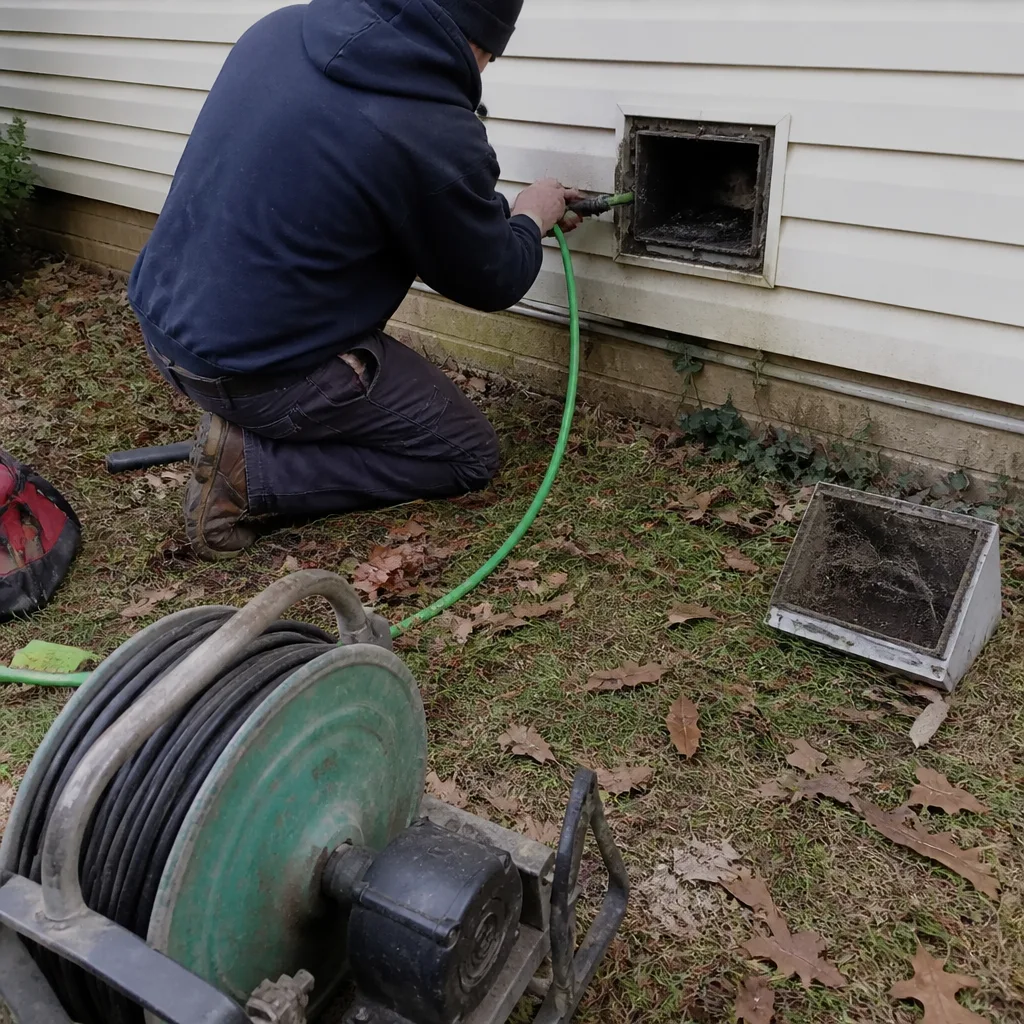
Dryer vent cleaning is a dedicated service, not an add-on afterthought. The National Fire Protection Association cites dryer vent lint as a leading cause of residential fire, and cleaning the vent reduces that risk. It does not eliminate the risk, but it takes the single largest identifiable fuel load out of the equation. If any of the signs above are present in a Suffolk home, that vent line is worth a dedicated inspection. See our dryer vent cleaning page for what’s involved.
When the Symptom Points to Duct Damage, Not Contamination
Some warning signs are not about dirt at all. They point to compromised ductwork – a condition that cleaning leaves untouched unless someone is prepared to fix it. Duct repair is the piece most cleaning-only contractors don’t offer, which is why it’s worth knowing what damage looks like before calling.
Signs that point to duct damage:
- A single room consistently underperforming while every other room is normal
- Whistling or roaring noises at a specific register when the system runs
- Blowing dust or a draft at a register that clears up when the system is off
- Visible disconnected joints, torn flex jacket, or separated collars where ductwork runs through an attic or crawlspace
- Cold spots or condensation forming on the outside of a duct section
The right response is a scope pass to identify the compromised section and a repair to seal or replace it. Cleaning an already-leaking duct means cleaning a system you can’t pressurize correctly, so any cleaning needs to happen alongside or after the repair. That’s why we treat cleaning, dryer vent work, and repair as three service lines that resolve on one call rather than three. Our technicians have up to 12 years of experience and know the difference between a run that needs to come down and one that just needs a resealed collar. For the broader picture on the city, see our Suffolk service area page.
Common Mistakes to Avoid
- Authorizing a cleaning without a diagnosis. If a technician quotes a price before they’ve checked the filter rack, the return for gaps, and the moisture source, the cleaning is a guess. Ask what specifically they found before the work starts.
- Treating uneven room temperatures as a cleaning problem. A cold upstairs bedroom is a balancing or leakage issue nine times out of ten in a Suffolk home. Cleaning only fixes airflow complaints traceable to a blocked return grille or a measurably restricted duct run.
- Cleaning a system with active biological growth and no moisture correction. The growth returns within a season. Find and fix the drain or condensation problem first, then clean.
- Chasing the low coupon price. A coupon price that becomes a much larger invoice once the technician is on-site is the classic bait-and-switch in this trade. A per-vent quote isn’t honest – whole-system pricing is what you’re actually paying for.
- Skipping containment. Cleaning without negative air pressure equipment just moves dust around. Look for Abatement Technologies signs on any quote you’re considering.
- Ignoring the dryer vent as a maintenance item. Longer dry times and lint at the cabinet base are warning signs. Treat the vent as a dedicated system to clean, not a maybe-someday add-on.
- Letting a contractor clean and leave broken ductwork behind. If duct damage is present, cleaning without repair makes the system no better. Confirm upfront that the company you hire offers repair.
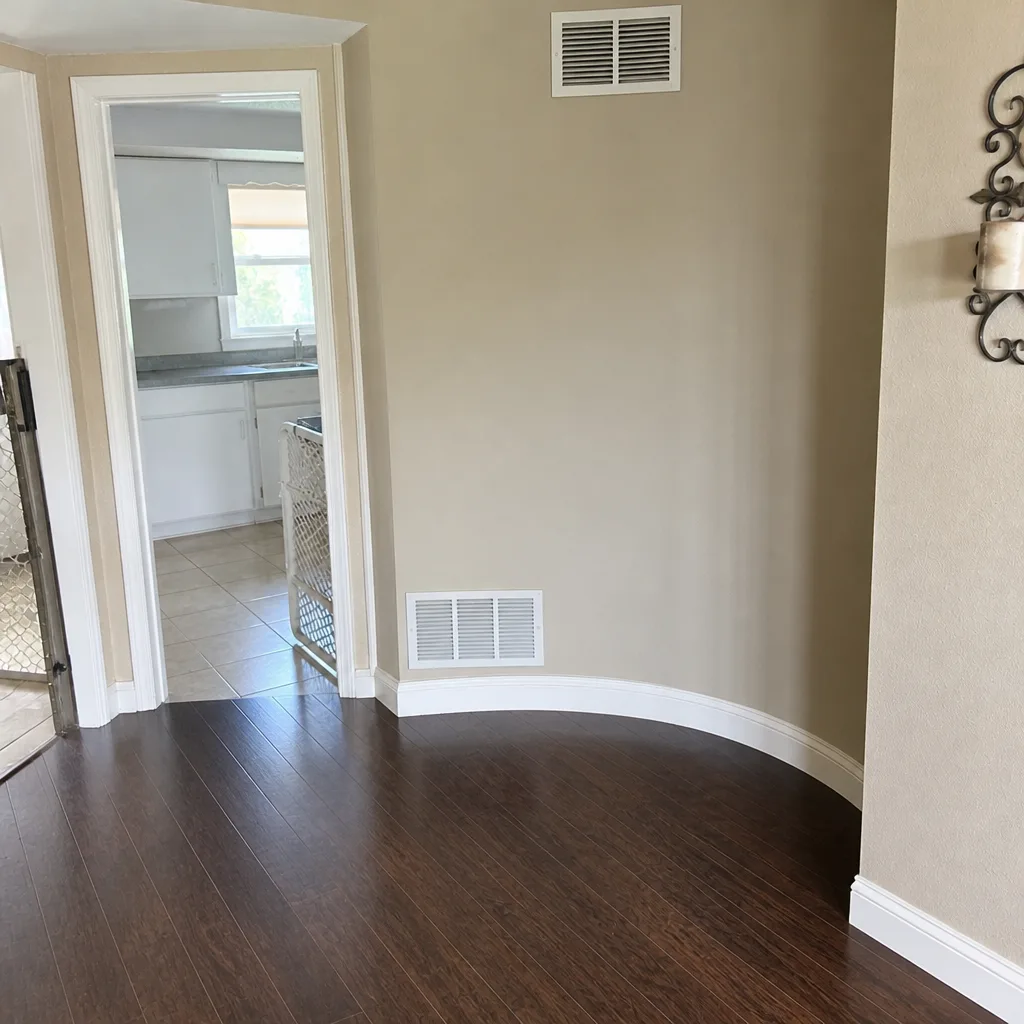
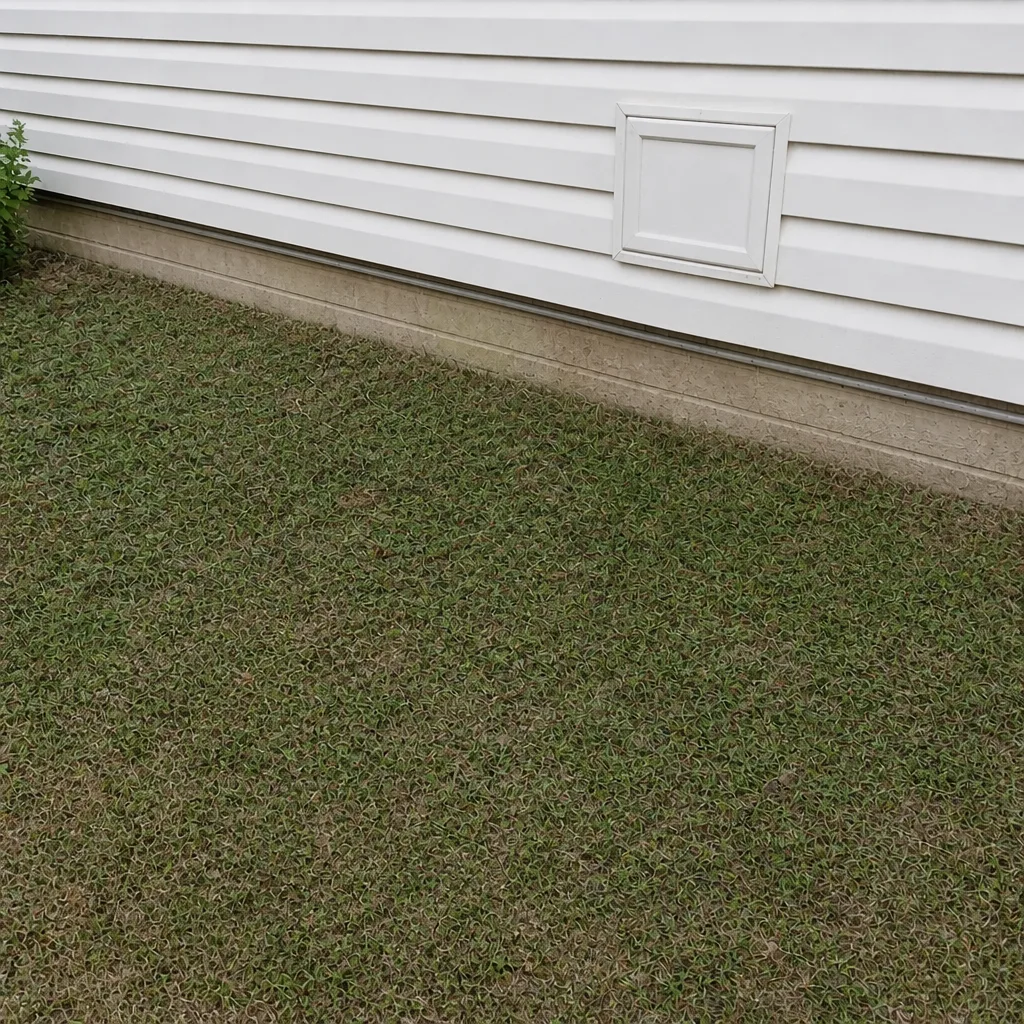
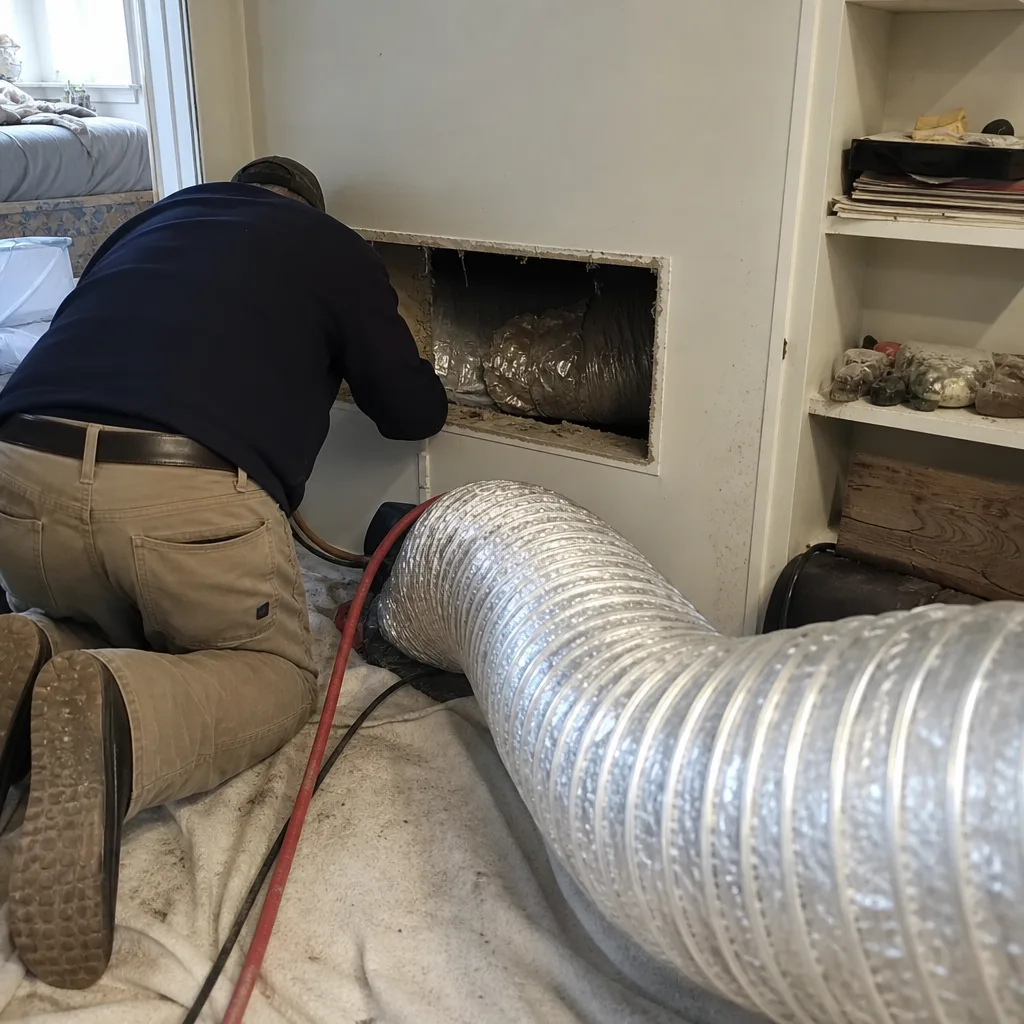
See the difference
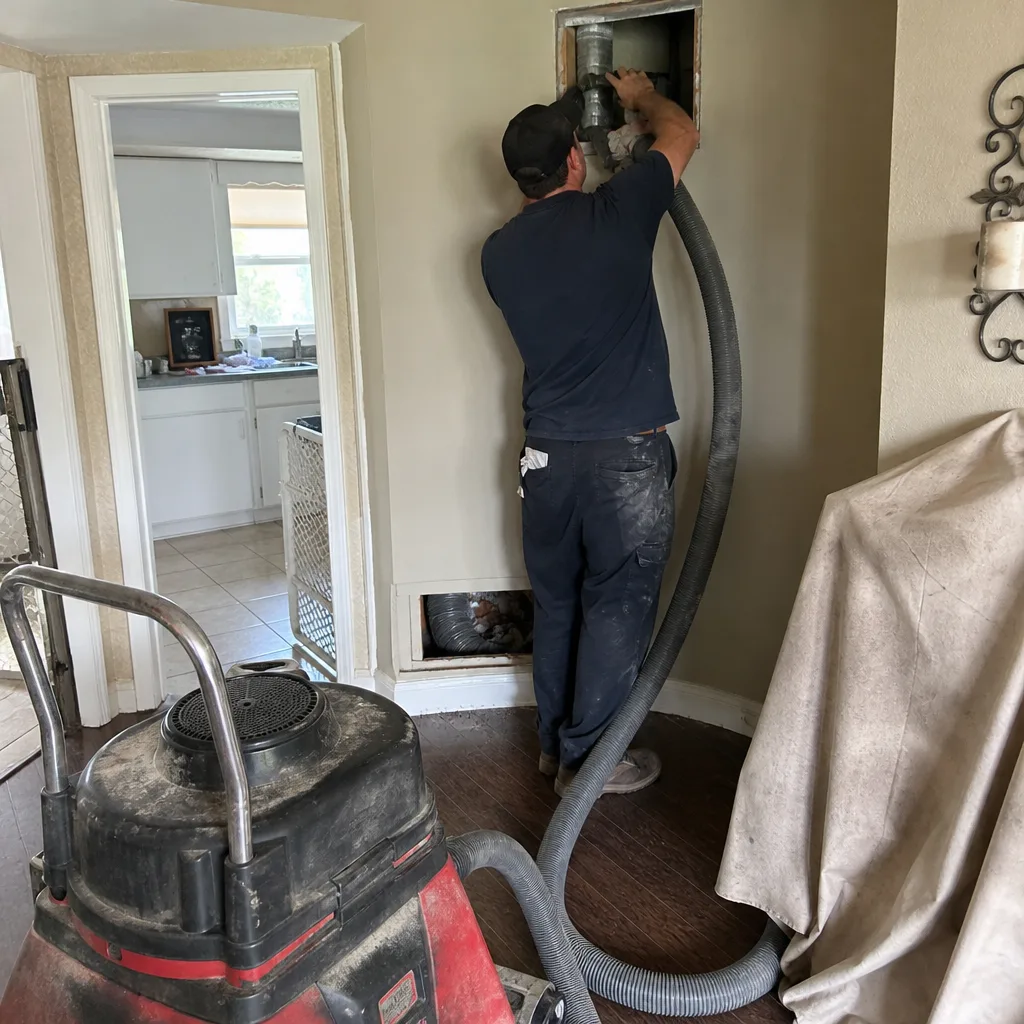 Before
 After
 Before
 After
 Before
 After
When to Call a Professional
Call a professional when you have a persistent musty odor after 30 minutes of AC runtime, visible debris at supply registers that isn’t a filter-seating problem, a scope session showing dander or construction debris in significant quantities, or any dryer vent warning sign – longer dry times, lint at the cabinet base, or a vent flap that doesn’t fully open. Also call when a technician recommends duct damage repair rather than cleaning, so the repair and cleaning happen in the right order. Duct Cleaning Suffolk offers free estimates in Suffolk – call (855) 740-0661. The estimate is free, the price is set per job in writing before work starts, and you get before-and-after photos of your own system so you can see what was actually done. Our technicians use Rotobrush, Nikro, and Abatement Technologies equipment – the same systems HVAC and remediation professionals use – and are familiar with Honeywell and Aprilaire air-quality setups.
Frequently Asked Questions
You need it if a musty odor persists after 30 minutes of AC runtime, visible debris is blowing out of supply registers (assuming the filter is properly seated and sized), or a scope shows heavy accumulation of dander, construction debris, or biological growth in the duct interior. Dust on registers alone is often a filter bypass leak, which is a duct sealing issue, not a cleaning issue. Call (855) 740-0661 for a free estimate – the diagnosis comes before the recommendation.
First-startup mustiness is usually benign. The system sits dormant through a damp Suffolk spring, and the first blast of cool air picks up a little stale smell from the coil and cabinet that fades within a few minutes. If the smell persists after 30 minutes of runtime, or gets stronger the longer the AC runs, the source is moisture or growth inside the system and worth an inspection. That distinction is the single most useful one we can teach.
Rarely. Uneven room temperatures are more often a duct balancing or leakage issue than a cleaning issue. Cleaning resolves airflow complaints in the narrow case where a return grille is clogged with dust or a duct cross-section is measurably restricted. The right first step is a static pressure check and a leak inspection, not a cleaning quote. If a company quotes cleaning for uneven temperatures without taking a static pressure reading, get a second opinion.
Air duct cleaning in Suffolk is priced per system, not per vent, and the written estimate sets the final price before work starts. Beware of low coupon prices that balloon once the technician is on-site – that’s the classic bait-and-switch in this trade. Ask for whole-system pricing and for before-and-after photos of your own system so you can see what was done. Call (855) 740-0661 for an exact quote – estimates are free.
Cheaper quotes usually skip the equipment that makes cleaning effective – negative air containment, contact cleaning systems, and high-powered extraction. A blow-and-go setup with consumer-grade tools just displaces dust through the house rather than capturing it. Look for Abatement Technologies containment, Rotobrush contact cleaning, and Nikro vacuum equipment on any quote. Call (855) 740-0661 for a straight answer on what a proper cleaning involves.
Ask for before-and-after photos of your own ductwork, taken inside the system with a scope. Every cleaning we do includes that. If a company can’t or won’t provide photos, that’s a signal. And you should get the cleaning and any needed repair quoted and confirmed upfront – if a scope reveals duct damage that cleaning can’t address, you want to know before work starts, not after. Call (855) 740-0661 with any questions about what’s included.
The Bottom Line
Most duct cleaning warning-sign articles give you a symptom list without a cause. This guide does the opposite. Once you know the symptom-cause mapping, you can tell the difference between a real cleaning need and a leak, a moisture problem, or a balancing issue that cleaning won’t fix. The signal phrases that matter most in a Suffolk home are a musty odor persisting past 30 minutes of runtime, visible debris at supply registers that isn’t a filter-seat issue, and any dryer vent sign – longer dry times, lint at the cabinet base, a vent flap that doesn’t fully open. Diagnose first, then clean. If duct damage turns up, repair it rather than clean around it. For a free estimate on the whole system, see what our team offers at Duct Cleaning Suffolk. Call (855) 740-0661. We answer 24/7. Fast dispatch from 7am to 7pm, Sunday through Friday.
Written by the team at Duct Cleaning Suffolk.