
Last updated November 15, 2026
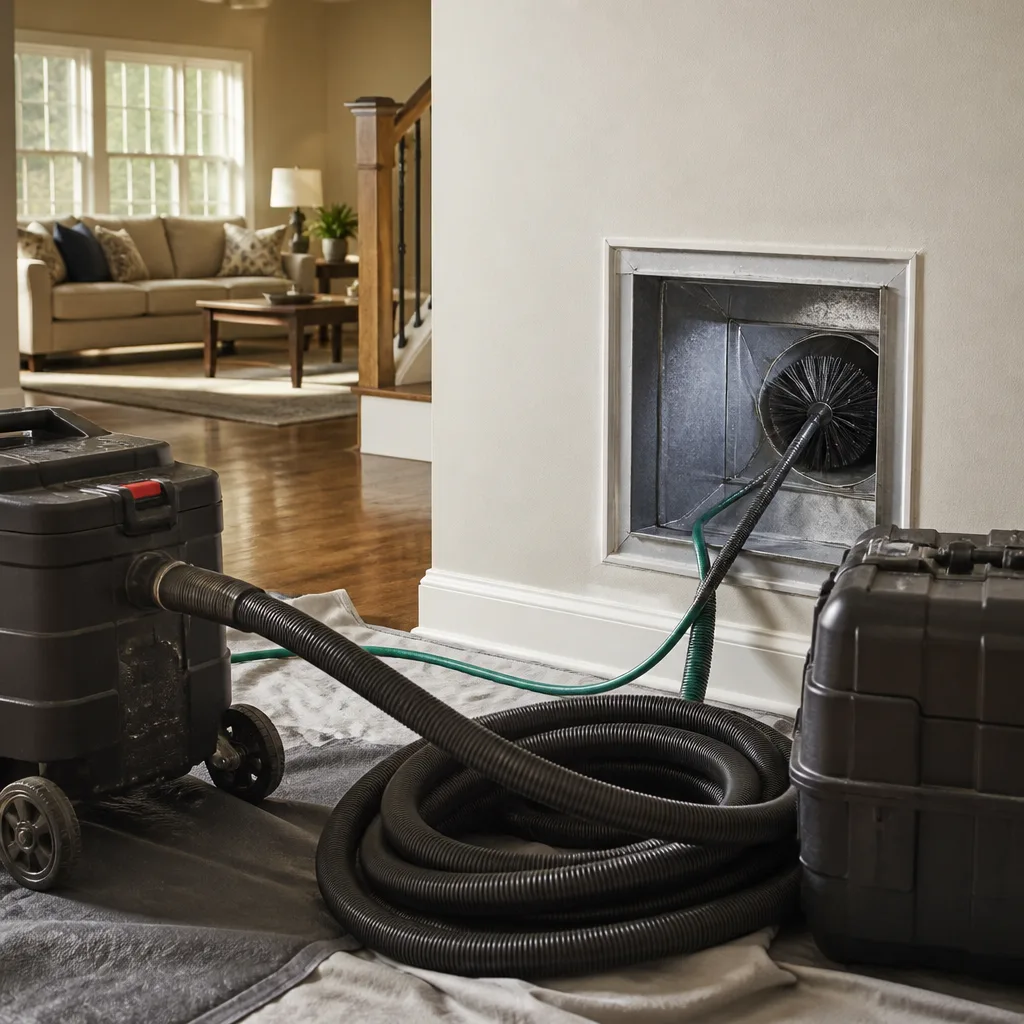 Whole-home duct cleaning
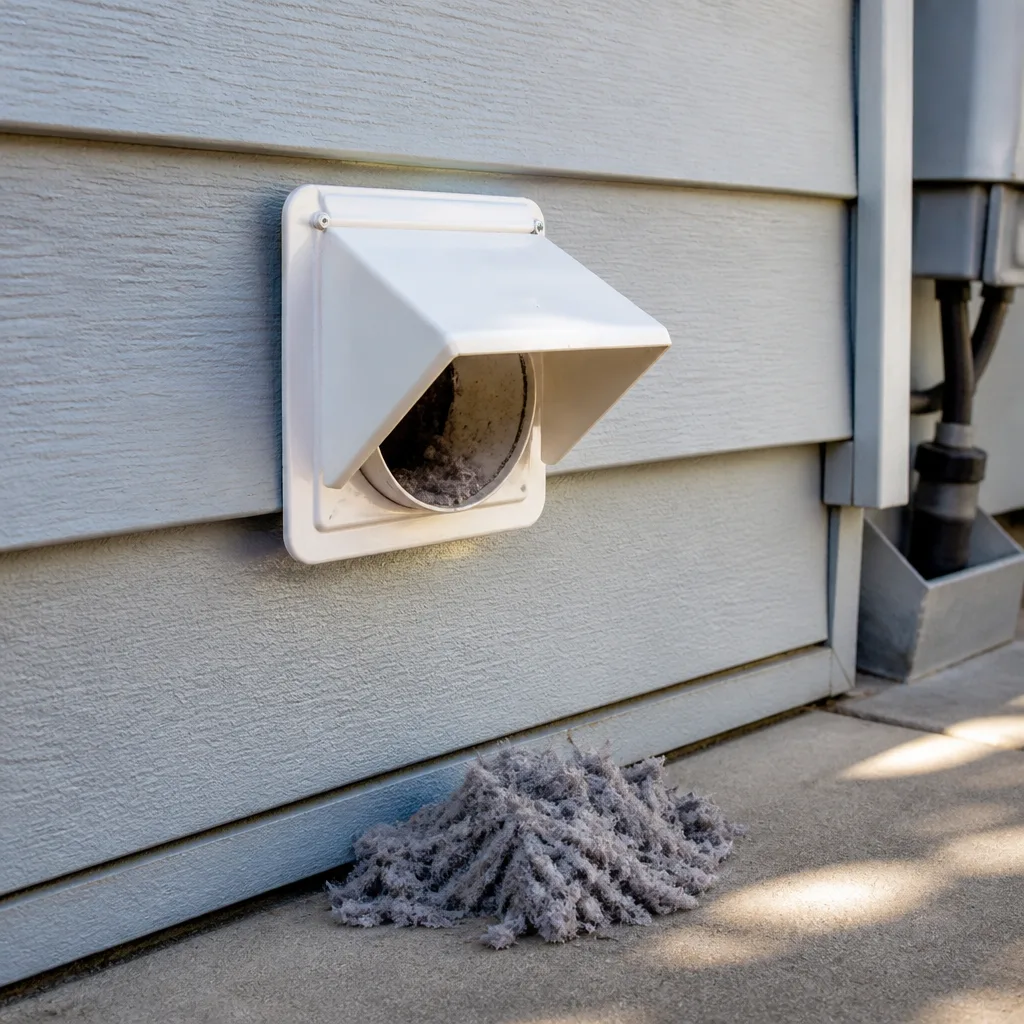 Dryer vent cleaning
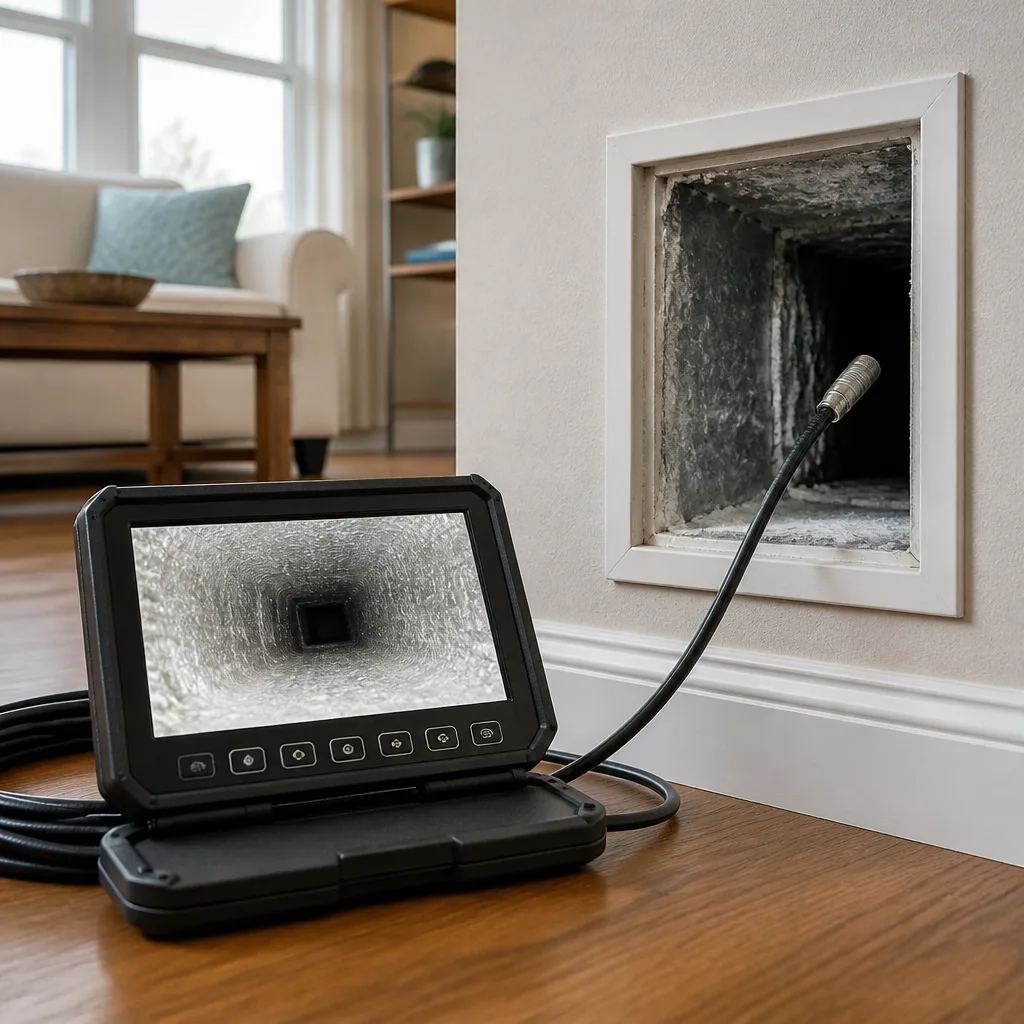 Camera inspection
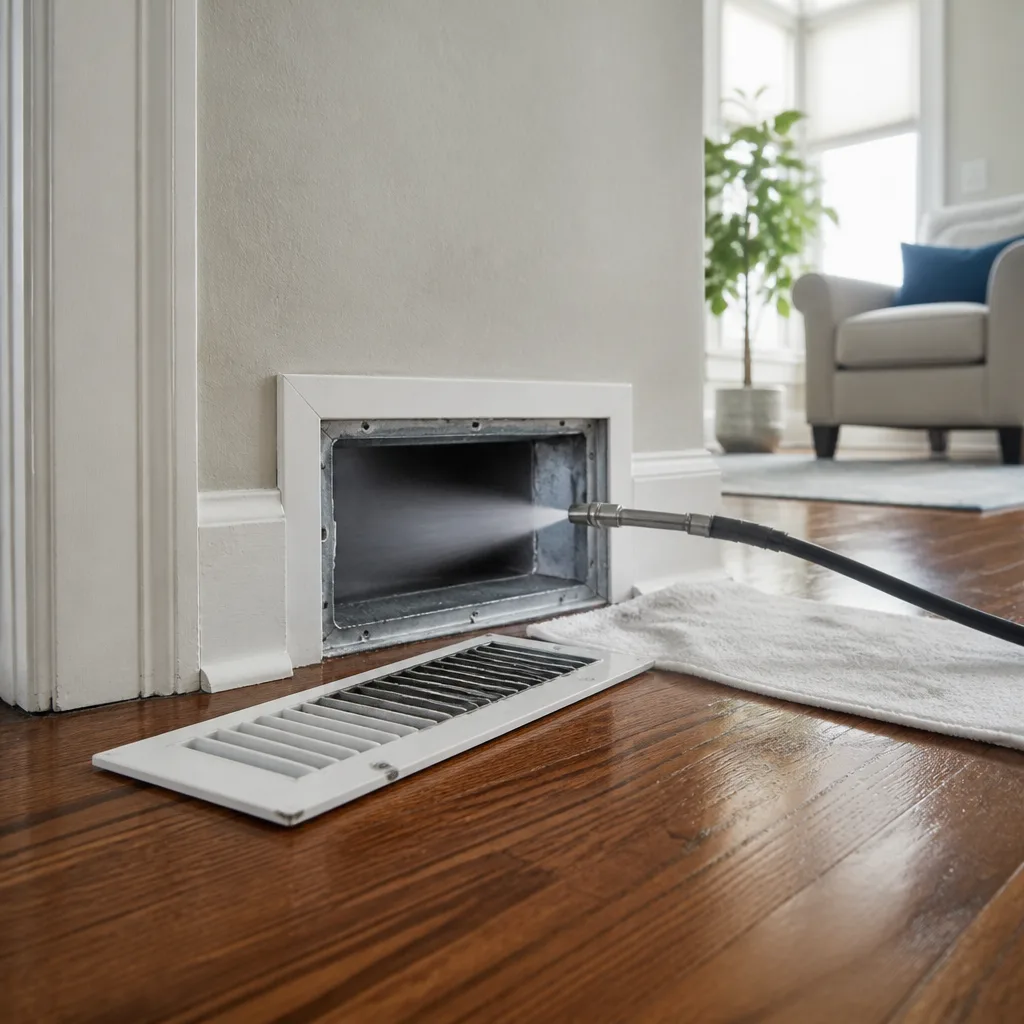 Sanitizing & deodorizing
Whole-system duct and dryer vent check with before-and-after photos - you see exactly what came out of your vents
That "$99 whole-house special" is a bait ad - the real number appears once they are in your hallway, or the "clean" is a shop-vac at the register. We photograph the inside of your ducts before and after instead.
Air Duct Cleaning Maintenance Checklist for Suffolk Homeowners
A clogged dryer vent or a disconnected flex duct segment will undo a professional duct cleaning within one season. Neither shows up on most homeowner checklists, because most of those lists weren’t written by people who actually open ductwork. The lists you find online tend to be filter-change reminders dressed up as maintenance guides, and they miss the inspection points that matter most in a humid, pollen-heavy climate like Suffolk’s. This guide is different. It’s built around the real inspection points a technician checks before and after a cleaning, adapted for homeowners managing humidity-prone systems in Suffolk. You’ll learn how to assess airflow, spot moisture problems, verify work after a cleaning, and build a maintenance log that protects your HVAC warranty and your home sale documentation.
Quick Answer
A sound air duct maintenance routine for a Suffolk home has three parts: a pre-cleaning inspection (airflow at registers, moisture staining near boots, musty odor at startup), verification after any cleaning (airflow comparison, visual check at accessible grilles, filter baseline), and seasonal triggers specific to this climate. Inspect at least twice a year, after pollen season in May and after hurricane season in November, and schedule a professional duct integrity check every two years if your home has a vented crawlspace.
Styles & brands we work with
- Whole-home duct cleaning
- Dryer vent cleaning
- Camera inspection
- Sanitizing & deodorizing
Table of Contents
- Why Standard Duct Checklists Fail Suffolk Homes
- The Pre-Cleaning Checklist: What to Inspect Before You Call
- Post-Cleaning Verification: How to Confirm the Work Was Done Right
- Seasonal Triggers Specific to Suffolk
- The Crawl Space Connection
- The Dryer Vent Checklist Every Suffolk Homeowner Needs
- What to Log and Keep
- Common Mistakes to Avoid
Why Standard Duct Checklists Fail Suffolk Homes
Most air duct maintenance checklists you find online are repackaged filter-change reminders. Change the filter every 30 to 90 days. Vacuum your registers. Call a professional once a year. That advice isn’t wrong, but it doesn’t tell you anything useful about the condition of your duct system. It’s a calendar, not a diagnostic tool.
The problem is that duct problems rarely announce themselves with obvious symptoms. A duct that’s pulled loose at a boot fitting behind drywall leaks conditioned air into a wall cavity or crawlspace, and you never see it. A dryer vent that’s partially blocked still dries clothes, just slower. Mold growth inside a duct run stays hidden until enough of it accumulates to produce a smell you can’t ignore. By the time these problems become obvious, they’ve often been developing for months.
A checklist that’s worth using has to describe what to look at and what a problem actually looks like. That means register airflow, moisture staining, startup odor, filter condition, and the accessible parts of the duct system. It also has to account for the specific climate and housing stock in Suffolk.
Suffolk sits in a region with long, humid summers and a spring pollen season that pushes fine particulate deep into return-air systems. Homes here often have vented crawlspaces, which introduces a whole set of duct integrity concerns most generic checklists ignore. Hurricane season runs from June through November, and the heavy rain that comes with it can drive moisture into crawlspaces and wall cavities, sometimes reaching ductwork. A maintenance routine designed for a dry climate won’t tell you what to watch for here.
If you want to understand what a professional cleaning involves before you build your own checklist, our air duct cleaning page walks through the equipment and process. This guide focuses on what you can inspect and document yourself.
The Pre-Cleaning Checklist: What to Inspect Before You Call
The most useful inspections happen before any cleaning. They establish a baseline. Without a baseline, you can’t tell whether a cleaning actually improved anything or whether a duct problem was present all along. Here’s what to check and what each finding tells you.
Assess airflow at registers. Hold a thin piece of tissue or a light piece of paper against each supply register while the system runs. It should be pulled firmly against the grille. Note any register where the pull is weak, intermittent, or noticeably weaker than others in the house. Weak airflow at one register often means a disconnected duct, a crushed flex run, or a damper that’s partially closed. Weak airflow at every register points to a blower, filter, or main trunk problem.
Look for moisture staining near boots and grilles. Look at the drywall, trim, or flooring right around each register boot. Discoloration, bubbling paint, soft drywall, or a dark outline around the boot opening can mean condensation or a leak is reaching the duct. In Suffolk’s humid summers, supply ducts running through unconditioned spaces can sweat, and that condensation often shows up first at the boot.
Check for musty odor at startup. This is especially important after summer dormancy, when a system that ran hard all season sits idle and then starts up again in fall. Turn the system on after it’s been off for several hours and pay attention to the first few minutes of air. A brief dusty smell is normal. A musty or earthy smell that persists past the first few minutes suggests moisture and biological growth somewhere in the system, likely in the ductwork, the evaporator coil, or the drain pan.
Inspect the filter and note the date. Pull the filter, hold it up to light, and write the date on the frame before you reinstall or replace it. A filter that’s loaded far ahead of schedule tells you the return system is pulling more particulate than usual, which often points to a nearby construction project, a duct leak pulling crawlspace air, or a return grille that needs cleaning.
Look for visible dust trails at grilles and boots. Streaks of dust radiating from a register or boot edge indicate air escaping at a joint. That’s a duct repair issue, not just a cleaning issue, and it’s worth pointing out when you have the system assessed.
Write all of this down with dates. Photos help. That record is the baseline you’ll compare against after any cleaning.
Post-Cleaning Verification: How to Confirm the Work Was Done Right
Verification is where most homeowners stop short. They pay for a cleaning, the technician leaves, and nobody checks whether the work actually improved the system. That’s a mistake. A cleaning that isn’t verified can leave you with the same airflow problems you started with and no way to prove it.
Here are the steps you can perform yourself in the days after a professional cleaning.
- Compare airflow at registers. Repeat the tissue test at every register and compare to your pre-cleaning notes. Airflow should be at least as strong as before, and weaker registers should show improvement if the cleaning addressed the cause. If a register is still weak, ask why.
- Do a visual check at accessible grilles. Remove a few supply and return grilles and look inside the first foot of duct with a flashlight. It should look clean, with no visible dust accumulation on the duct walls and no debris left behind. Accessible grilles are exactly what a professional cleaning should leave spotless.
- Document your filter baseline. Install a fresh filter, write the date and the filter’s MERV rating on the frame, and log it. The date becomes your baseline for tracking how quickly the filter loads in the months ahead.
- Note any odor at startup. Run the system after the cleaning and check for musty smells. A clean system should smell neutral. A musty smell after cleaning suggests the source wasn’t addressed, which is a reason to call back.
- Check the return grille for debris. Debris settling in the return grille in the days after a cleaning is normal and should be minor. Visible piles of debris mean the cleaning didn’t capture material properly.
Ask for before-and-after photos of the duct interior, and specifically of your own ducts, not stock photos. Any professional cleaning should provide them. If the company you’re considering can’t show you what the ducts looked like before and after, that’s worth questioning. Our team uses Duct Cleaning Suffolk equipment built around professional-grade capture systems, and before-and-after photos are part of how we document the work.
If you notice weak airflow that wasn’t fixed, a musty smell that persists, or visible debris left behind, call the company back. A reputable cleaning should leave the system demonstrably better, and verification is how you confirm it did.
Seasonal Triggers Specific to Suffolk
Calendar-based duct maintenance advice misses the fact that this region has a distinct seasonal rhythm, and each phase creates different conditions for a duct system. Three triggers are worth building into your schedule.
Post-pollen season, late May. Suffolk’s spring pollen season loads fine particulate into return systems for weeks. By late May, filters have often loaded faster than usual, and pollen has settled into return ducts and grilles. This is the right time to change the filter, inspect return grilles, and note whether the system is pulling more dust than normal. If you have allergy or asthma concerns in the household, the post-pollen inspection is the one to prioritize.
Post-hurricane season, November. Hurricane season runs through November. Even without a direct storm impact, heavy rain and high humidity during this period can drive moisture into crawlspaces and wall cavities, and that moisture sometimes reaches ductwork. In November, check for moisture staining at boots, musty odor at startup, and any new condensation on supply ducts running through unconditioned spaces. If your home took on water anywhere, the ducts deserve a specific look before winter.
Post-renovation, whenever the work finishes. Any renovation that opens walls, generates drywall dust, or disturbs the ceiling creates a duct cleaning trigger. Drywall dust finds its way into return systems and settles in ducts, and construction debris can end up inside duct runs. After a renovation, don’t wait for the next scheduled cleaning. Have the system assessed.
Beyond these three triggers, run through the pre-cleaning checklist once in spring and once in fall. That cadence catches the most common problems before they deepen. Our Suffolk service area sees this rhythm every year, and the homes with the fewest duct problems tend to be the ones whose owners inspect on a seasonal schedule rather than waiting for a symptom.
The Crawl Space Connection
Many Suffolk homes have vented crawlspaces, and that single feature changes duct maintenance significantly. A vented crawlspace is open to outdoor air. It’s humid in summer, cold in winter, and it’s where a large share of the duct system usually runs.
When ducts in a vented crawlspace are compromised, the consequences go beyond energy loss. Every joint that isn’t sealed, every flex duct that’s pulled loose, and every connection that’s worked free over time allows crawlspace air to enter the system and get distributed through the house. That air can carry moisture, dust, and whatever else is present in the crawlspace.
This is why we recommend a separate duct integrity check every two years for homes with vented crawlspaces, regardless of whether the ducts were cleaned in the interim. The check focuses on connections, seals, and support, not on cleaning. A cleaning removes accumulated debris. An integrity check confirms the duct system is still a sealed boundary. They’re different tasks, and a home with a vented crawlspace needs both on a schedule.
The two-year interval isn’t arbitrary. Flex duct and duct board in a vented crawlspace are exposed to seasonal temperature swings and humidity cycles that work on connections and supports. Duct runs that were secure can loosen. Seals that held can fail. A two-year check catches those changes before they become a pattern.
If your home has a vented crawlspace and you’ve never had the duct system’s integrity checked separately from a cleaning, treat this as the item to schedule first. If you want to know what to expect from a cleaning while you’re at it, our guide to dryer vent cleaning covers the adjacent safety service most homeowners schedule alongside it.
The Dryer Vent Checklist Every Suffolk Homeowner Needs
Dryer vent maintenance is the item that disappears from most duct checklists, and it’s the one with the most direct safety consequence. Lint accumulation in a dryer vent restricts airflow and creates a fire risk, and the National Fire Protection Association has long identified dryer vents as a leading cause of residential fires. We treat it as a dedicated service for that reason, not as an add-on to a duct cleaning.
Here’s what to check and how often.
- Drying time. If a load that used to dry in one cycle now needs two, lint is likely restricting the vent. Note the change and act on it.
- Heat at the dryer door. A dryer that runs hot at the door or feels hot on top is working harder than it should, which points to restricted venting.
- Lint behind and around the dryer. Visible lint accumulation at the vent connection is a sign that lint is escaping the connection or continuing past it into the vent run.
- The outdoor vent flap. Check the exterior vent flap periodically. It should open freely when the dryer runs and close when it stops. A flap that stays shut or is stuck open is a sign the vent needs attention.
- Vent run length and bends. Long runs with multiple bends accumulate lint faster than short, straight runs. If your dryer vent runs a long distance or makes several turns, schedule cleaning more frequently.
- Schedule. Have the dryer vent cleaned on a regular schedule, and sooner if any of the above signs appear.
Dryer vent cleaning addresses a real risk, and it’s worth taking seriously as a safety service rather than a convenience item. Our dryer vent cleaning service is built around that premise, with professional equipment that clears the full vent run rather than just the connection at the back of the dryer.
What to Log and Keep
A maintenance log is one of the least glamorous parts of home ownership and one of the most useful. When it comes to ductwork, a written record serves three purposes: it protects your HVAC warranty, it supports a home sale, and it makes future maintenance decisions easier.
Here’s what to record.
- Dates of every cleaning. Note the date, the company, what was cleaned, and any notes about duct condition.
- Before-and-after photos. Keep the photos provided with each cleaning alongside your log. If the company doesn’t provide them, ask.
- Filter changes. The date, the filter’s MERV rating, and any notes about how loaded the previous filter was.
- Repairs and inspections. Any duct repair, crawlspace duct integrity check, or other work on the duct system.
- Observations between cleanings. Weak registers, moisture staining, musty smells, changes in airflow. The date and what you noticed.
Why does this matter for warranty and home sale? Manufacturers and HVAC contractors sometimes ask for maintenance records when evaluating a warranty claim, and a documented record shows the system was maintained. On the sale side, a buyer’s inspector will look at ductwork, and a clean paper trail that shows when the ducts were last cleaned, what was found, and what was repaired is a reassuring piece of documentation. It’s also useful if you’re the one asking questions: a record of the duct system’s history lets a technician diagnose a problem faster than a fresh inspection alone.
Keep the log in the same place as your HVAC service records. If your home has a vented crawlspace, include the dates of your two-year duct integrity checks. If you have Honeywell or Aprilaire air-quality equipment, log the filter and maintenance dates for that system alongside your duct records so the whole air-quality picture is in one place.
One practical note on what a professional service should provide: a written estimate that sets the price before work starts. Duct cleaning should be priced per system, not per vent, and the price in the written estimate is the price. That belongs in your log too.
Common Mistakes to Avoid
These are the mistakes we see most often when Suffolk homeowners run into duct problems. Each one is easy to avoid once you know to look for it.
- Treating filter changes as the whole checklist. Filters are one piece of the system. Airflow, moisture, and duct integrity need their own inspections.
- Trusting a very low quote. A quote that comes in far below the rest often signals per-vent pricing that climbs once the technician is on site, or a blow-and-go setup that displaces debris into the house instead of capturing it. Ask for professional equipment specifics and before-and-after photos.
- Skipping the pre-cleaning inspection. Without a baseline, you can’t verify the cleaning did anything. Run the checklist before you call.
- Ignoring a musty smell at startup. A persistent musty smell after the first few minutes of air usually points to moisture and biological growth. It won’t go away on its own.
- Forgetting the dryer vent. It’s the highest-stakes item on any duct checklist, and it’s commonly left out.
- No crawlspace duct integrity check. Homes with vented crawlspaces need a two-year integrity check separate from the cleaning schedule. It’s the item most often missed.
- No written log. If you can’t produce maintenance records, you can’t support a warranty claim or a home sale, and you’re starting from scratch every time a technician asks what’s been done.
See the difference
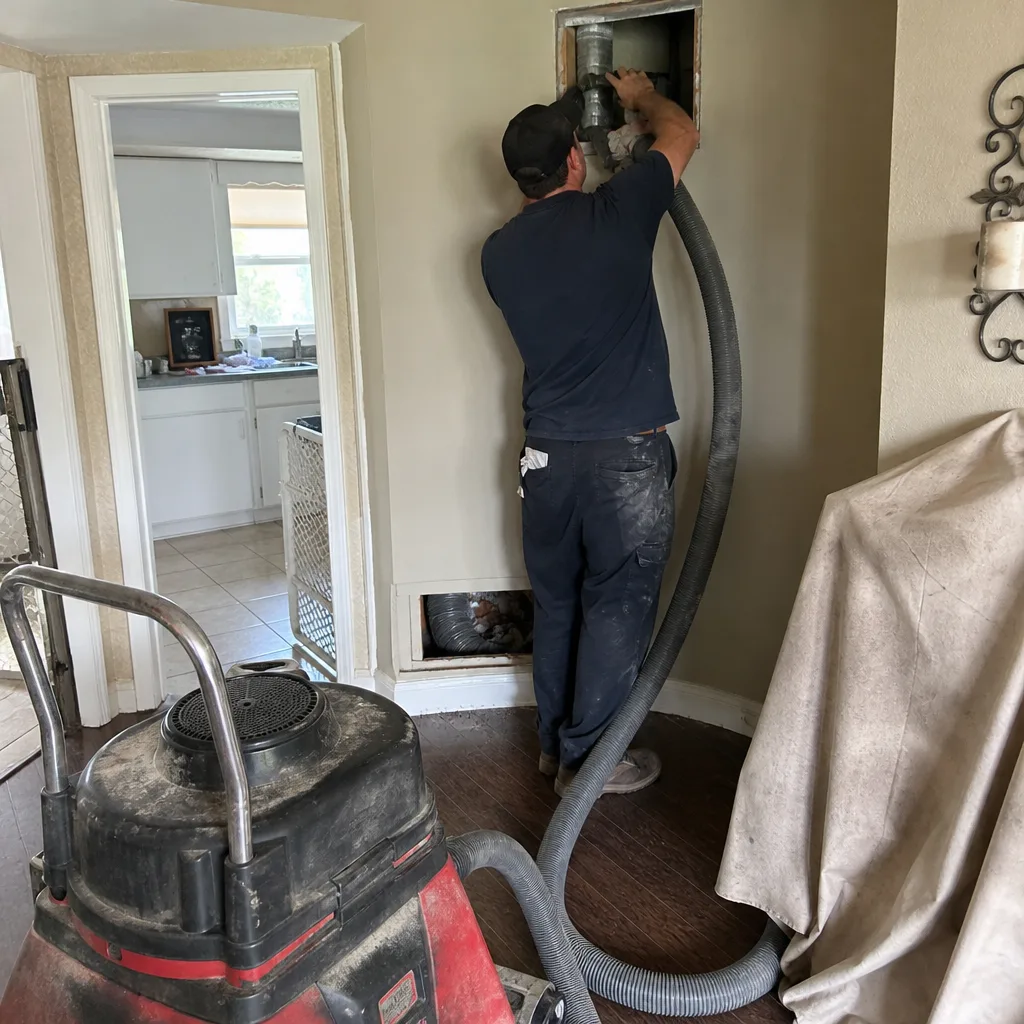 Before
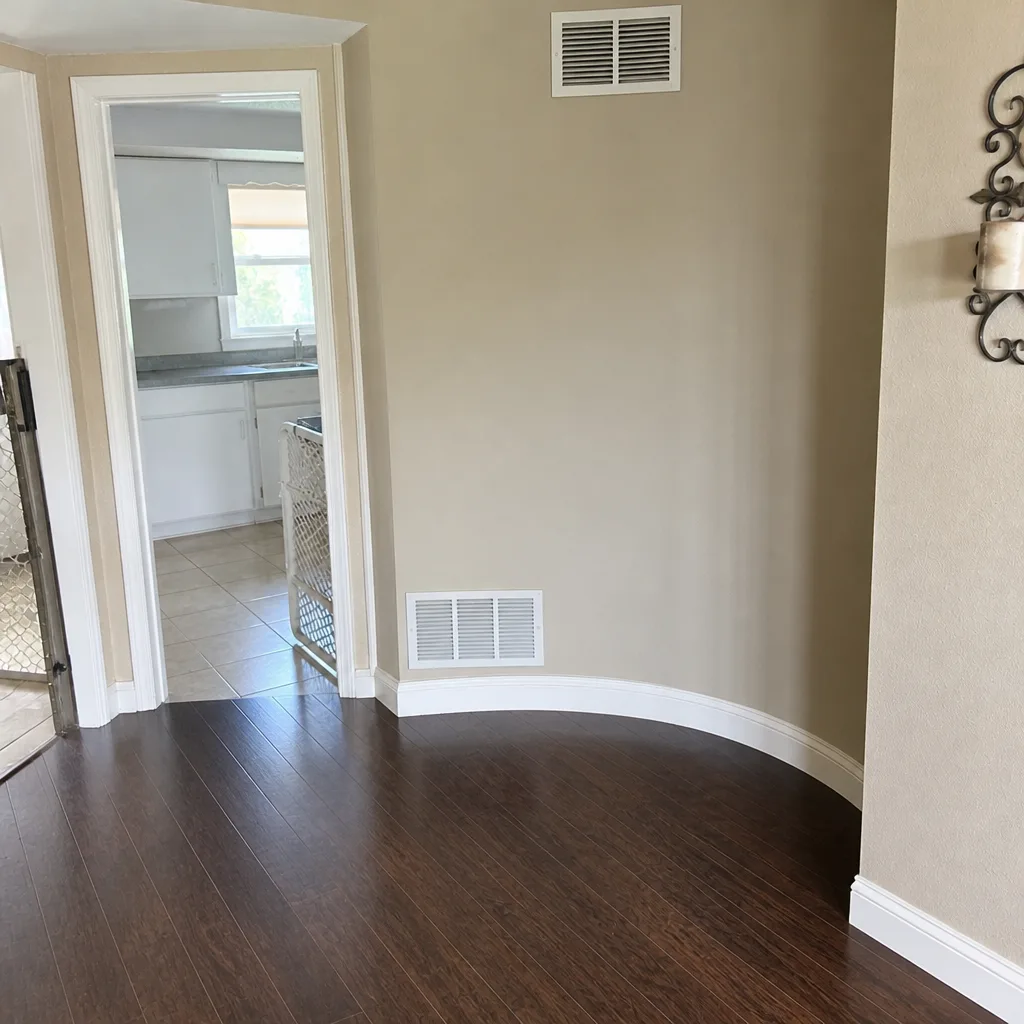 After
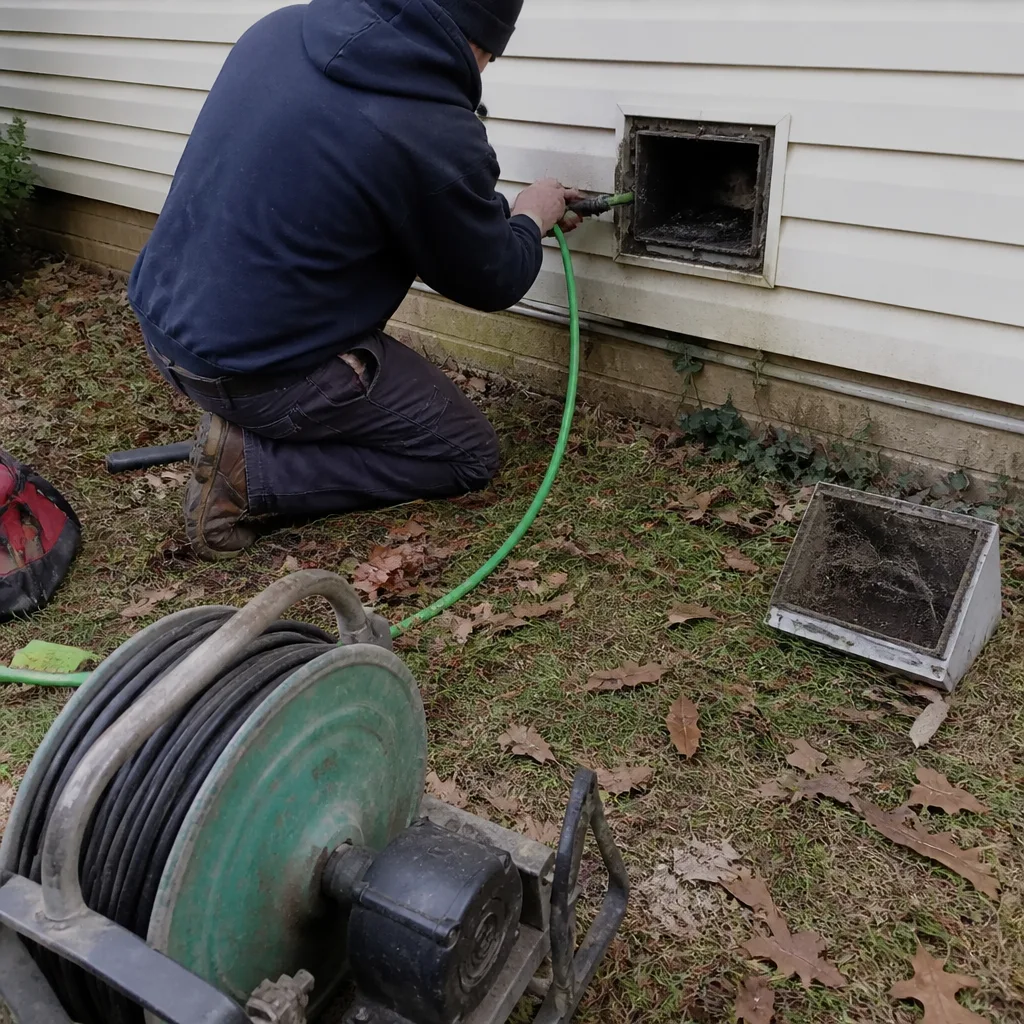 Before
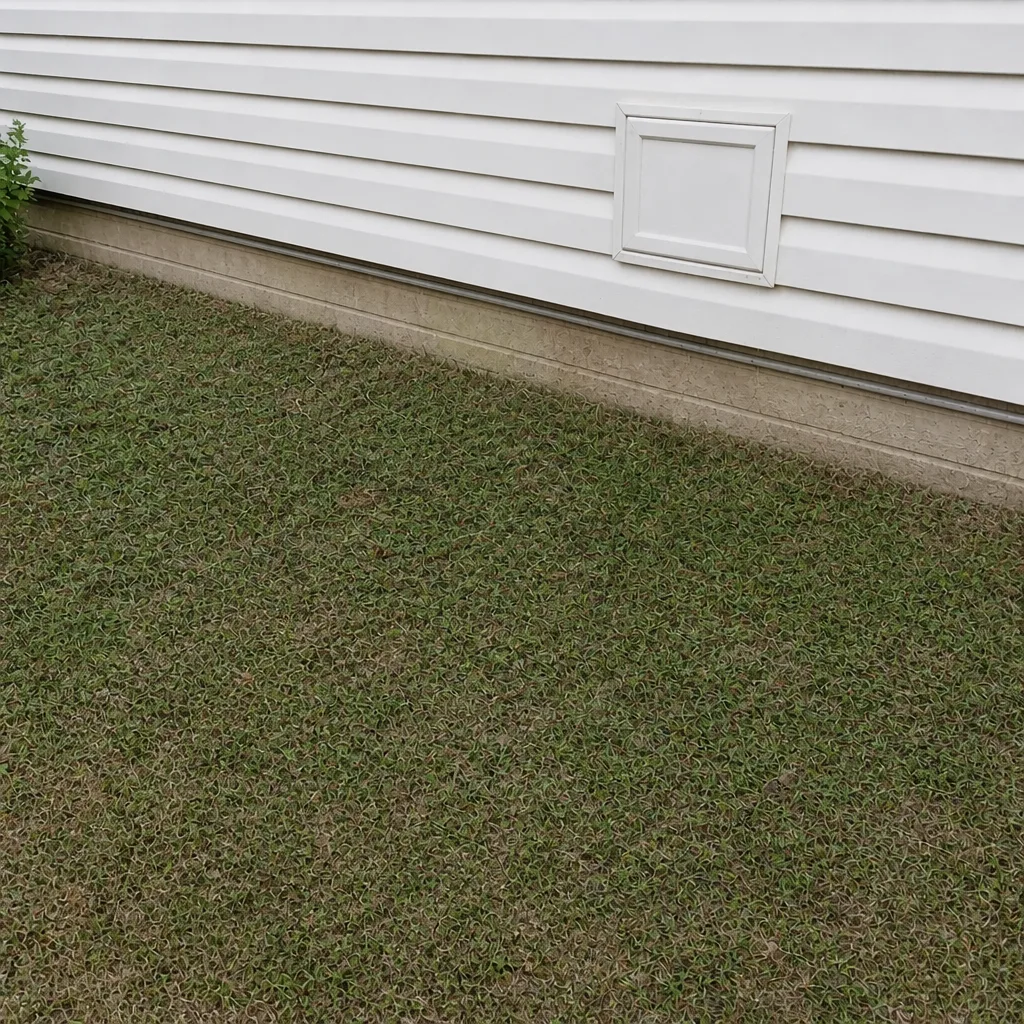 After
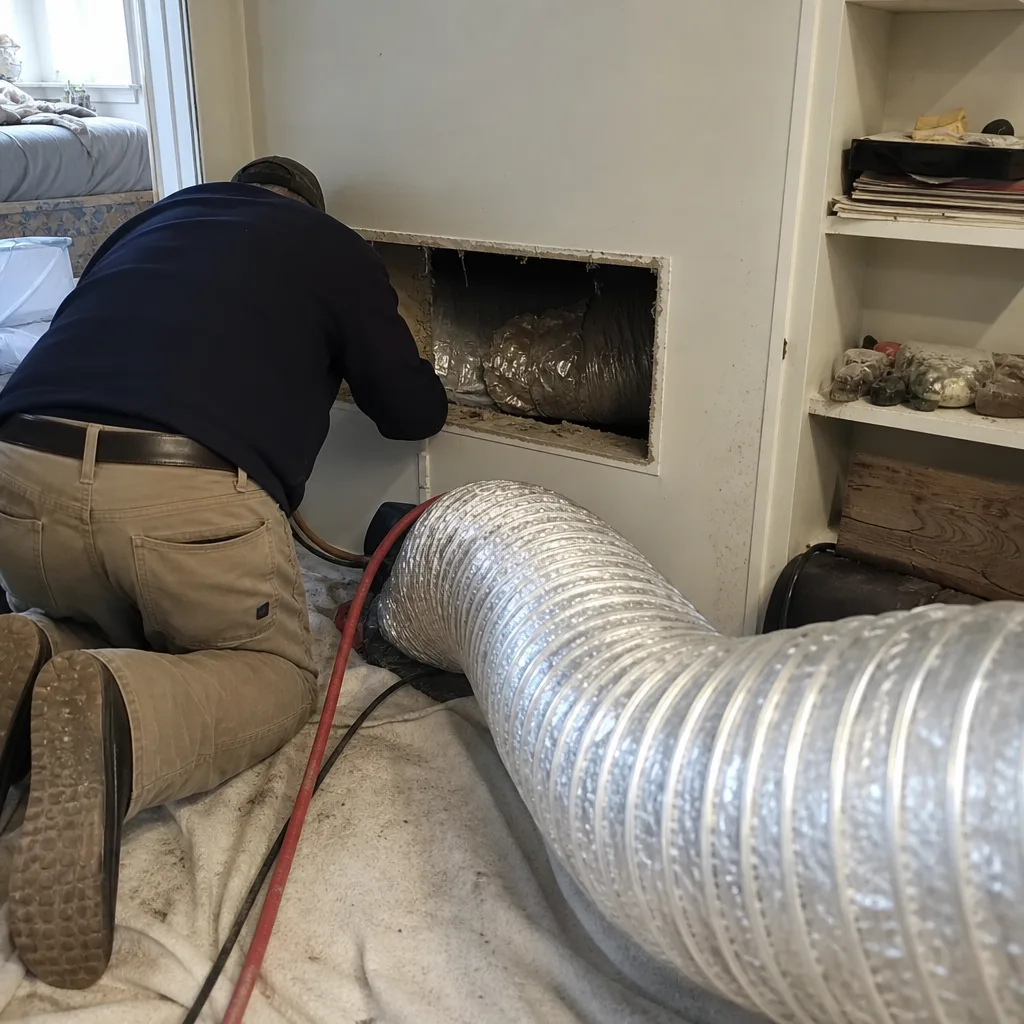 Before
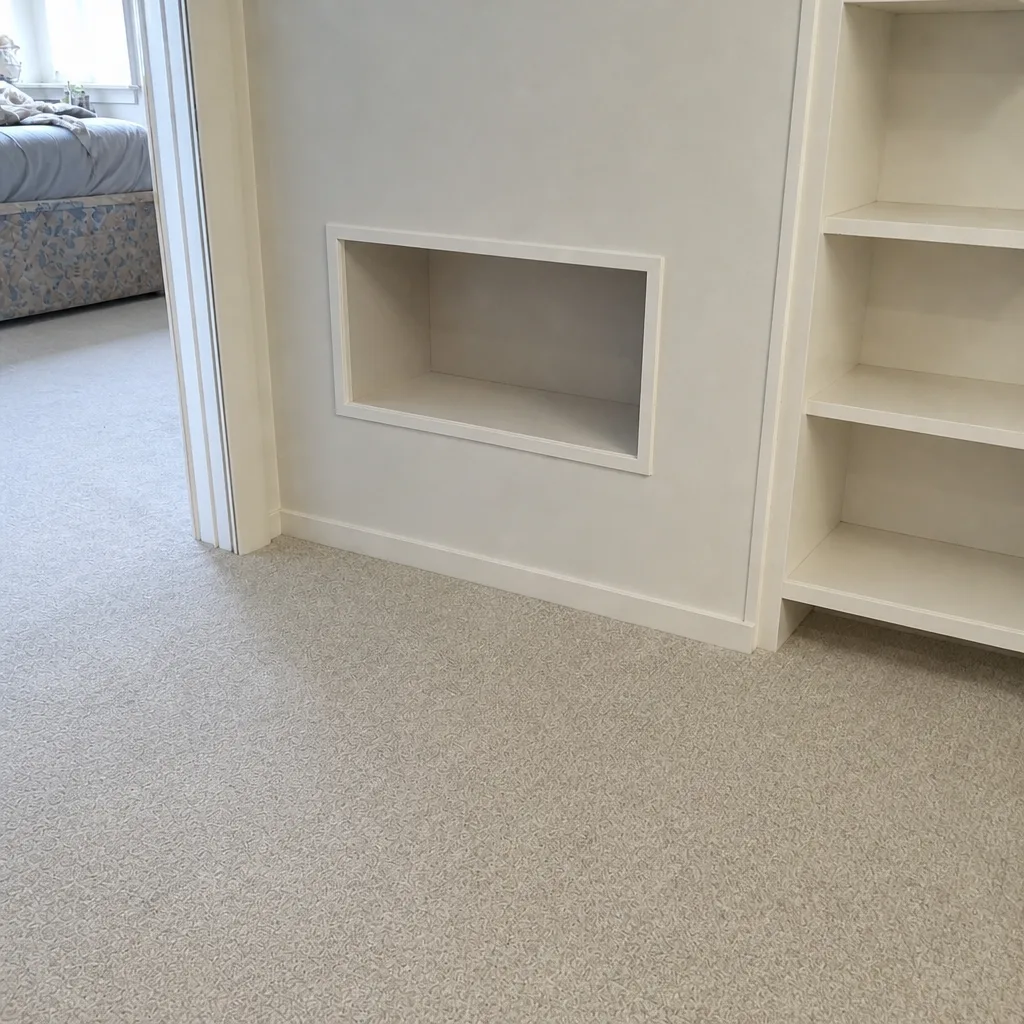 After
When to Call a Professional
Some inspections you can do yourself. Some problems need professional equipment and a trained eye. Call a professional when you find any of the following: weak or intermittent airflow at registers that doesn’t resolve after a filter change; moisture staining or condensation around register boots; a musty smell at system startup that persists past the first few minutes; visible dust trails at grilles or boots suggesting air escaping at joints; a dryer that takes noticeably longer to dry a load; a home with a vented crawlspace that hasn’t had the duct system’s integrity checked recently; or a recent renovation that generated dust or disturbed the ceiling and walls. If you’re a property manager scheduling maintenance across multiple units, professional assessments help keep the work consistent and documented.
Duct Cleaning Suffolk offers free estimates in Suffolk – call (855) 740-0661. We answer 24/7. Fast dispatch from 7am to 7pm, Sunday through Friday. Our technicians have up to 12 years of experience, and we use professional-grade equipment including Rotobrush contact cleaning and Nikro vacuum systems – the same tools HVAC contractors and remediation crews use, not consumer-grade blowers. We work with the systems already in your home, whether that’s a whole-house filtration setup using Honeywell or Aprilaire equipment or a simpler system, and repair is available too, so a single call can resolve both contamination and ductwork damage.
Frequently Asked Questions
Most Suffolk homes should have ducts assessed at least annually and cleaned when the assessment shows need, which for many homes works out to every two to three years. Homes with vented crawlspaces, allergy or asthma concerns, recent renovations, or high pollen exposure often need attention sooner. The seasonal triggers in this guide are a good scheduling prompt. Call (855) 740-0661 for an exact quote. Estimates are free.
Duct cleaning is priced per system, not per vent, and the written estimate sets the final price before any work starts. Ask for a whole-system quote rather than a per-vent figure, and ask for before-and-after photos. A quote far below the others is worth questioning. Call (855) 740-0661 for an exact quote. Estimates are free.
The cheapest quotes usually come from per-vent pricing that climbs once the technician arrives, or from setups that displace debris into the house instead of capturing it. Ask what equipment the company uses, ask for before-and-after photos, and confirm the price is per system. A written estimate that holds is the sign of a straightforward job. Call (855) 740-0661 for an exact quote. Estimates are free.
Compare airflow at your registers before and after, do a visual check at accessible grilles, and ask for before-and-after photos of your own ducts. A professional cleaning should leave accessible duct sections visibly clean. If you find a musty smell or visible debris after the cleaning, call the company back. Call (855) 740-0661 for an exact quote. Estimates are free.
Yes. A vented crawlspace is open to outdoor air, and duct runs in it are exposed to humidity and temperature swings that work on connections and seals. We recommend a separate duct integrity check every two years for homes with vented crawlspaces, in addition to the cleaning schedule. It’s a different task from cleaning and it catches loose connections and failed seals before they become a pattern. Call (855) 740-0661 for an exact quote. Estimates are free.
As soon as practical. Signs include longer drying times, a dryer that runs hot, and visible lint near the vent connection. Dryer vents are the item on any duct checklist with the most direct fire risk, and waiting doesn’t make the problem better. Call (855) 740-0661 for an exact quote. Estimates are free.
The Bottom Line
A useful air duct maintenance checklist is a diagnostic tool, not a calendar. The parts that matter most are the pre-cleaning inspection (airflow, moisture staining, startup odor, filter baseline), verification after any cleaning (airflow comparison, visual check, before-and-after photos), the three seasonal triggers for Suffolk (post-pollen in May, post-hurricane in November, post-renovation), and the two-year crawlspace duct integrity check for homes with vented crawlspaces. Keep a written log. Don’t forget the dryer vent. And when you’re ready for a professional assessment, ask for a per-system price in a written estimate and for before-and-after photos of your own ducts.
Duct Cleaning Suffolk provides professional duct cleaning, dryer vent cleaning, and duct repair with free estimates. Our technicians have up to 12 years of experience, and we use professional-grade equipment including Rotobrush, Nikro, and Abatement Technologies. Call (855) 740-0661. We answer 24/7. Fast dispatch from 7am to 7pm, Sunday through Friday.
Written by the team at Duct Cleaning Suffolk.